
24/7 全天候客户支持

免费退货

当日/次日达

品质保障

开启新人专享福利: 全场免邮 | 低至 2 折 | 免费试用 30 天 JoyPlus 会员
下载 Joybuy
A more radiant-looking complexion is a common skincare goal, but choosing suitable brightening skincare products can be surprisingly difficult. A serum may contain an appealing active ingredient yet feel too drying, while a rich cream may leave blemish-prone skin congested. Marketing language can also make modest cosmetic benefits sound guaranteed.
For UK shoppers, three buying traps appear particularly often:
Different ingredients suit different shopping priorities. They are cosmetic ingredients intended to improve the appearance of skin; they should not be treated as medical or therapeutic treatments.
A brightening product can still be unsuitable if it contains fragrance, essential oils or a texture that does not fit your skin type. Sensitive or acne-prone shoppers may prefer:
Ingredient lists also help identify potential allergens. For example, some vitamin C and fermented formulas include essential oils or fragrance components. Always check the current packaging, particularly if you have known sensitivities.
Introducing several active products at once makes it difficult to identify what is causing irritation. Start with one new product, apply a small amount and consider a patch test before wider use.
Use brightening products on clean skin, followed by moisturiser where needed. Apply broad-spectrum sunscreen during the daytime. Products containing pure vitamin C may need extra care: the Some By Mi trial kit advises cool, dark storage because heat can contribute to changes in colour and odour.
Avoid layering multiple exfoliants immediately. A PHA peel, toner pads containing exfoliating ingredients and a strong vitamin C serum may be excessive in one routine, especially for reactive skin.
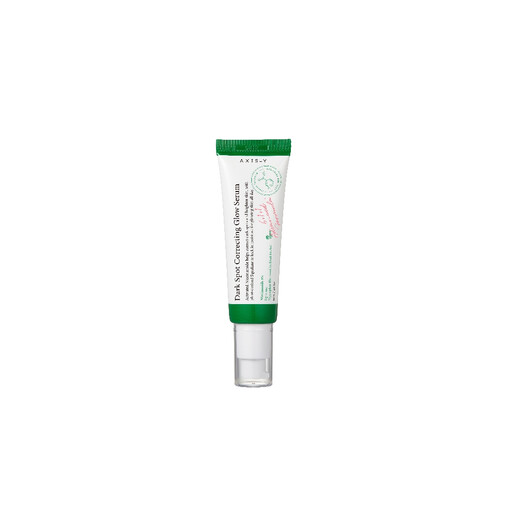
Why This Fits Their Persona: A straightforward daily serum for shoppers starting a routine without committing to a multi-step Korean brightening skincare regime. Its lightweight texture is convenient for layering under moisturiser.
The formula clearly lists 5% niacinamide and does not rely only on vague “glow” wording. It can be used all over the face or on selected areas.
Contains niacinamide, squalane, glycerin and sodium hyaluronate; the 50ml size offers more product than many 30ml serums.
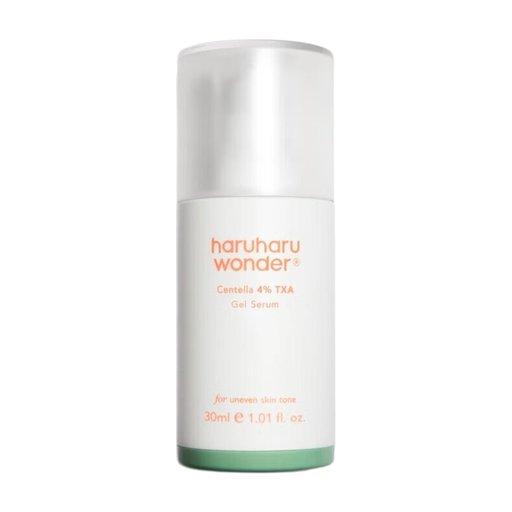
Why This Fits Their Persona: Suitable for shoppers comparing a more targeted dark spot serum with a fragrance-free, lightweight gel texture for morning or evening use.
The label specifies 4% tranexamic acid and 4% niacinamide, while the formula is described as free from artificial fragrance, drying alcohol and parabens.
Includes centella components and an airless pump design; the product description states it is free from artificial fragrance.
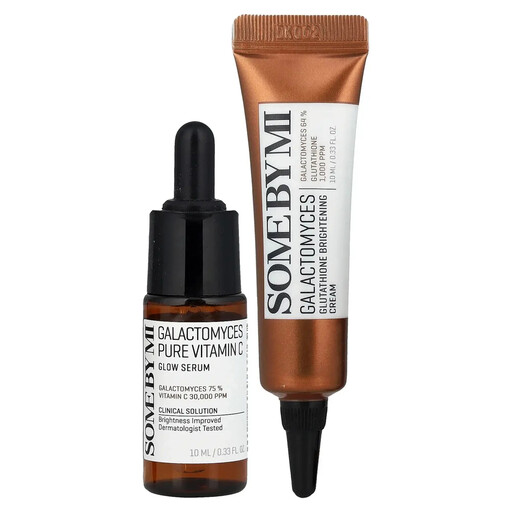
Why This Fits Their Persona: A practical two-step introduction for shoppers who want to compare a serum-and-cream pairing before buying full-size products.
The trial format reduces the risk of purchasing larger sizes before checking how a fermented formula and vitamin C suit your skin.
Includes a 10ml serum and 10ml cream; the serum lists 75% galactomyces ferment filtrate and pure ascorbic acid.
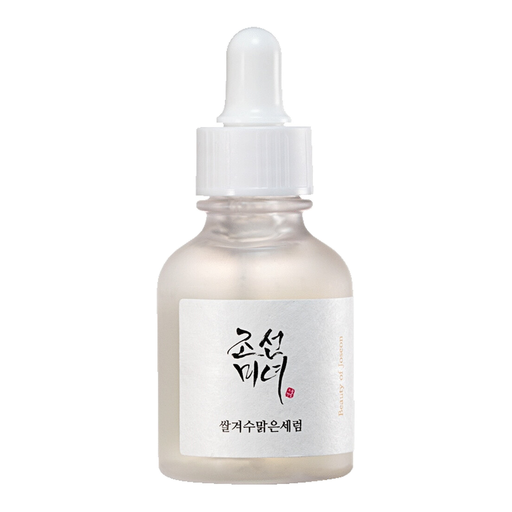
Why This Fits Their Persona: A watery, fragrance-free option for shoppers prioritising hydration and a simple texture that sits comfortably beneath a moisturiser.
The formula avoids artificial fragrance and essential oils, helping shoppers screen out two common sources of concern when comparing sensitive-skin products.
Contains 68% rice bran water and 2% alpha arbutin; the lightweight liquid absorbs without a greasy finish.
We have compiled a complete, real-time list of products that fully satisfy these strict selection criteria and UK safety regulations.
A basic routine is usually easier to maintain than a shelf full of overlapping products:
For occasional dullness, a hydrating face mask may add comfort without replacing daily skincare. A PHA product can be considered for rough texture, but follow its instructions and avoid using it on irritated or broken skin. For an immediate cosmetic solution around the eyes, eye concealer can disguise visible discolouration while skincare works as part of a longer routine.
Cosmetic improvements vary by skin type, ingredient, consistency and the cause of uneven tone. Hydration may feel noticeable quickly, while the appearance of dark spots generally requires consistent use over time. Stop if persistent irritation develops.
Many routines can include these ingredients, but introducing them simultaneously is not necessary. Start with one product, use it consistently and add another only if your skin remains comfortable. Follow the product instructions and apply sunscreen during the day.
Some are, but suitability depends on the complete ingredient list and your individual tolerance. Look for lightweight, fragrance-free formulas, patch test first and avoid applying products to broken or inflamed skin. If pigmentation is persistent or changing, seek advice from a qualified healthcare professional.