
24/7 Customer Support

Free returns

Same-day & Next-day Delivery

Quality Guaranteed

Unlock Your Welcome Offers: FREE Delivery | Up to 80% OFF | Free 30-day JoyPlus trial
Download the APP
Dullness, dehydration, dark spots and uneven texture can make shopping for skincare surprisingly difficult. Many products use similar words—“glow”, “radiance”, “renewal” and “brightening”—but their formulas may work in very different ways.
The right choice depends less on attractive packaging and more on your skin concern, tolerance and routine. As the Joybuy Product Recommendation Officer, I focus on practical details that help shoppers avoid paying for features they may not need.
A dehydrated complexion can look flat, tight or rough, even when pigmentation is not the main concern. A hyaluronic acid serum or hydrating toner can improve the feel and appearance of dryness by adding moisture, but hydration alone is not the same as targeting the appearance of dark spots.
Look for humectants such as glycerin, hyaluronic acid, panthenol and beta-glucan when tightness is your priority. For uneven tone, consider ingredients such as vitamin C derivatives, niacinamide or azelaic-acid-free brightening blends, while remembering that results vary between individuals.
Using a vitamin C serum, exfoliating toner, retinoid and salicylic acid skincare product together may increase the chance of stinging, dryness or redness. This is particularly relevant for sensitive skin skincare, dry skin and anyone new to active ingredients.
Introduce one new product at a time. If you are using acids, begin with a lower frequency rather than automatically following the instructions intended for daily use. A patch test can help identify obvious sensitivity, although it cannot guarantee that irritation will not occur.
“Brightening” products may contain fragrance, essential oils, denatured alcohol or several exfoliating ingredients. These are not automatically unsuitable, but they can matter if your skin is reactive or your barrier feels compromised.
Always check the current packaging and ingredient list before buying. Product information can change, and online descriptions may not show every detail needed for your personal situation.
Choose the formula according to the concern you want to address:
A stated percentage can help you compare products, but it does not predict how your skin will respond. For example, the listings include formulas with 5% niacinamide, 7% niacinamide and 10% niacinamide, as well as products containing 10% gluconolactone PHA.
Start according to the product directions and reduce frequency if discomfort develops. Do not apply exfoliating products to broken, irritated or inflamed skin. During the daytime, use a broad-spectrum sunscreen, particularly when using acids or vitamin C products that may increase sensitivity to sunlight.
A lightweight serum may layer more comfortably beneath moisturiser, makeup or sunscreen, while a richer product may suit a dry evening routine. Dropper bottles allow flexible dosing, whereas single-use ampoules offer measured portions and portability.
Also check the volume. A 30ml serum and a 400ml toner serve different shopping needs: one may be convenient for targeted treatment, while the other may be more practical for frequent, generous application.
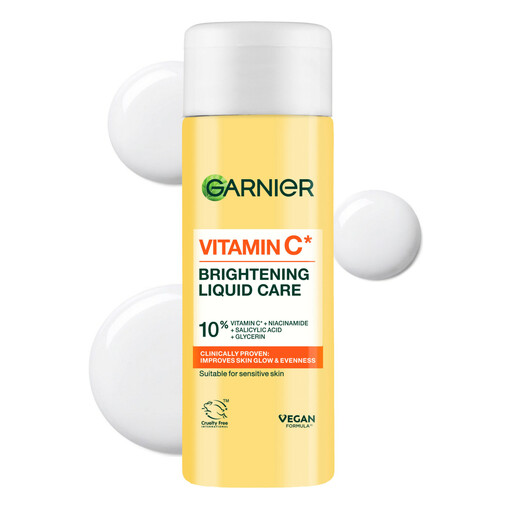
Why This Fits Their Persona: A straightforward toner step for shoppers building a simple routine for dull or uneven-looking skin without adding a separate serum immediately.
The ingredient list clearly identifies a vitamin C derivative, niacinamide, salicylic acid and 10% glycerin, making its hydration and active ingredients easier to assess.
120ml format; includes glycerin for hydration and a lightweight liquid texture.
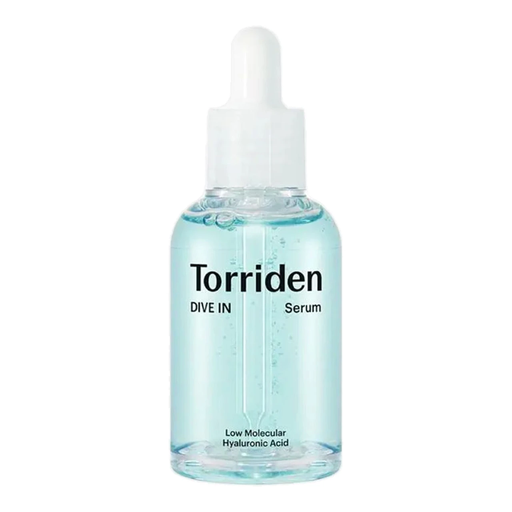
Why This Fits Their Persona: A useful choice for those prioritising a refined, fragrance-free and alcohol-free hydrating layer beneath moisturiser or sunscreen.
It is positioned around hydration rather than promising to correct every concern, helping avoid buying an exfoliating formula when dryness is the main issue.
50ml size; contains several forms of hyaluronic acid plus panthenol and allantoin.
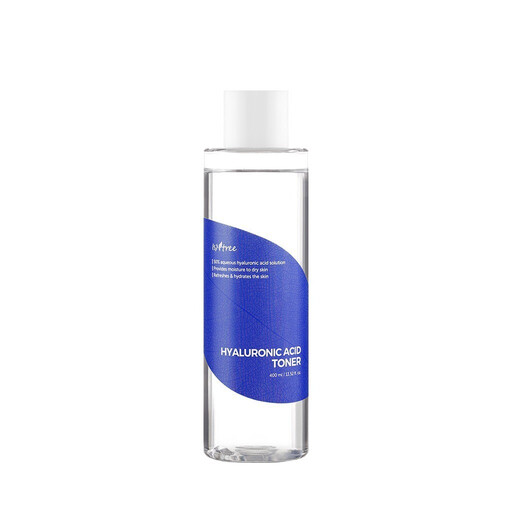
Why This Fits Their Persona: The large format suits frequent toner users, including people who apply several layers or use toner pads for localised hydration.
Its stated purpose is moisture support, so it avoids the common mistake of expecting an exfoliating product to solve dehydration.
400ml volume; contains five listed forms of hyaluronic acid, aloe, panthenol and beta-glucan.
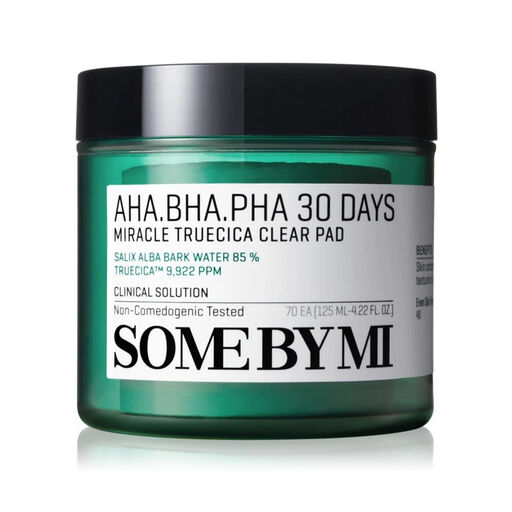
Why This Fits Their Persona: Designed for shoppers who want a ready-to-use exfoliating step for oily, congested or rough-feeling areas such as the T-zone.
The listing identifies AHA, BHA and PHA alongside panthenol, hyaluronic acid and allantoin, making it easier to recognise this as an acid-based treatment rather than a basic toner.
70 pre-soaked pads; dual-sided texture and a formula containing betaine salicylate.
We have compiled a complete, real-time list of products that fully satisfy these strict selection criteria and UK safety regulations.
Start with hydration. A hyaluronic acid serum, glycerin-rich toner or moisturiser can make dry skin look smoother and more comfortable. Add one brightening active only after your skin tolerates the basic routine.
They can sometimes be used in the same overall routine, but combining them immediately may increase discomfort. Use them on separate days or at different times, introduce each product gradually and follow the label directions.
The usable period depends on the formula, packaging and storage conditions. Check the packaging for the period-after-opening symbol, expiry information and batch details. Keep products closed, away from heat and direct sunlight, and discard them if the smell, colour or texture changes noticeably.