
24/7 Customer Support

Free returns

Same-day & Next-day Delivery

Quality Guaranteed

Unlock Your Welcome Offers: FREE Delivery | Up to 80% OFF | Free 30-day JoyPlus trial
Download the APP
A brightening face cream can help skin look more hydrated, smoother and radiant, but choosing one based only on phrases such as “instant glow” or “advanced brightening” can lead to disappointment. The right option depends on your skin type, routine, preferred ingredients and whether you need daytime UV protection or an overnight moisturiser.
Some creams create an immediate glow through emollients, light-reflecting ingredients or a dewy finish. This can make skin appear brighter after application without necessarily changing the appearance of pigmentation. Look for a formula that also supports your main concern with identifiable ingredients such as niacinamide, vitamin C derivatives, alpha-arbutin or tranexamic acid.
A dark spot cream used during the day cannot replace dedicated sun protection unless it clearly displays an SPF rating and appropriate usage instructions. UV exposure can make uneven tone more noticeable. An SPF moisturiser may be convenient, but it still needs to be applied generously and reapplied when affected by swimming, sweating or towel drying.
A rich pigmentation cream may feel comfortable on dry skin but heavy on combination or oily skin. Conversely, a lightweight gel may not provide enough comfort for mature or very dry skin, particularly during colder UK weather. Fragrance, essential oils, exfoliating acids and retinoid-related ingredients may also be unsuitable for people with easily irritated skin.
Ingredient position on the label can provide a useful comparison, although it does not reveal the exact concentration of every component. Always check the latest packaging, particularly if you have known sensitivities.
A night cream does not need SPF and can focus on moisturising or skin-comfort ingredients. A daytime formula may have a lighter texture or include SPF. If the product contains retinoid-related ingredients or exfoliating acids, follow the supplied instructions and introduce it gradually rather than combining multiple active products immediately.
Fragrance-free options may be preferable if your skin reacts easily to perfumed products. Salicylic acid, gluconolactone and lactic acid can contribute to a smoother-feeling surface, but combining several exfoliating products can increase discomfort. A patch test on a small area is a sensible precaution. Stop using a product if redness, itching, swelling or persistent irritation occurs.
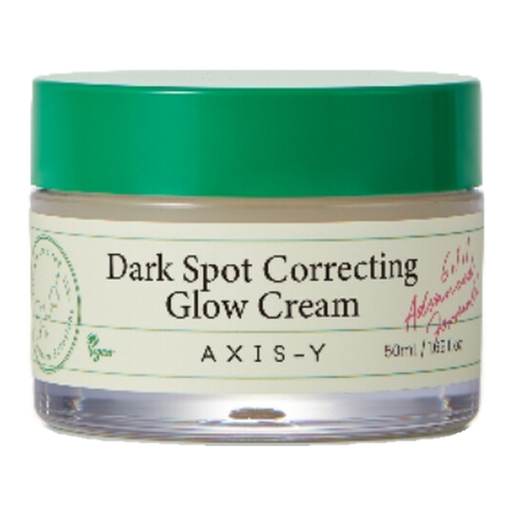
Why This Fits Their Persona: A practical daily option for shoppers starting a simple morning and evening routine, including those who prefer a lightweight gel-to-water texture.
The formula lists 2% alpha-arbutin and 5% niacinamide, making its brightening focus clearer than a cream marketed only around a general glow.
Contains Ceramide NP, several forms of hyaluronic acid and a fragrance-free formula with a non-sticky finish.
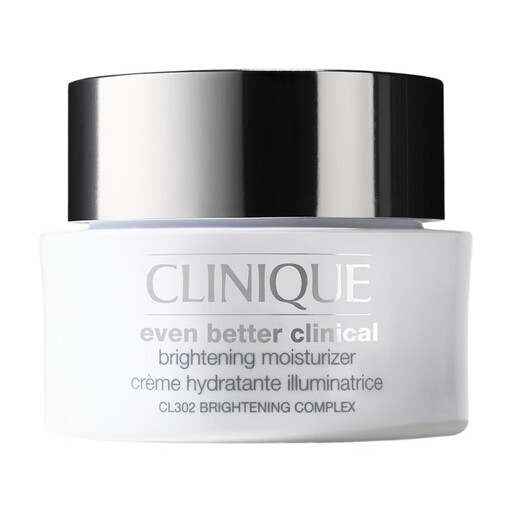
Why This Fits Their Persona: Suits shoppers seeking a polished, lightweight moisturiser with a clearly stated fragrance-free and oil-free format for regular use.
Its ingredient list identifies vitamin C derivative ascorbyl glucoside, hyaluronic acid and salicylic acid rather than relying on vague “radiance” wording alone.
The product is listed as allergy-tested, 100% fragrance-free, oil-free and non-acnegenic. Use SPF separately in the morning.
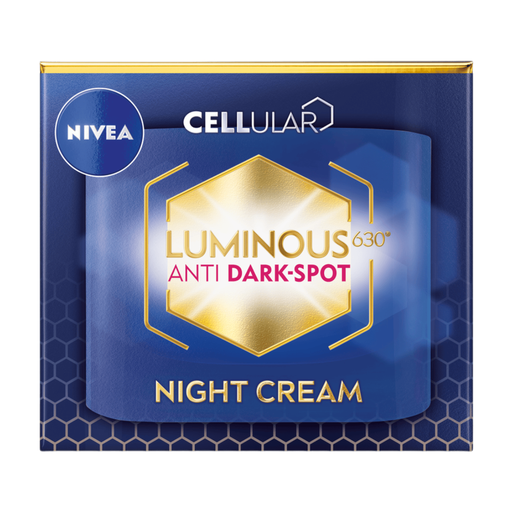
Why This Fits Their Persona: A night-time choice for adults who want a dedicated anti-dark-spot moisturiser after cleansing, without adding SPF to an evening routine.
The night format makes its place in a routine clear, while LUMINOUS630 and sodium hyaluronate are named in the supplied product information.
Contains glycerin, shea butter and hyaluronic acid for a richer overnight moisturising feel. The listed formula includes fragrance.
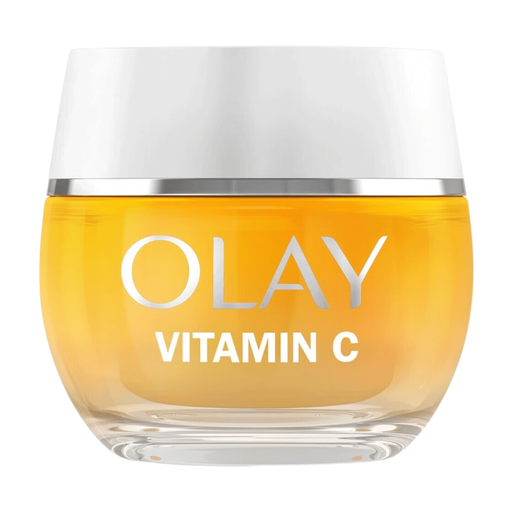
Why This Fits Their Persona: Convenient for commuters and everyday daytime routines where a moisturiser with labelled SPF 30 can reduce the number of separate steps.
It states SPF 30 and provides reapplication guidance, rather than presenting a standard moisturiser as sun protection.
Includes niacinamide, 3-O-ethyl ascorbic acid and a lightweight, non-greasy format. Apply generously and reapply as directed.
We have compiled a complete, real-time list of products that fully satisfy these strict selection criteria and UK safety regulations.
Many moisturisers are designed for daily use, but frequency depends on the formula. Products containing only moisturising ingredients may be used morning or night, while formulas with exfoliating acids or retinoid-related ingredients may require a slower introduction. Follow the product instructions and patch test first.
Vitamin C derivatives and niacinamide are commonly included together, but individual tolerance varies. Start with one new product at a time, particularly if your skin is dry or sensitive. Use sunscreen during the day, as skincare alone cannot prevent every cause of pigmentation.