
24/7 Customer Support

Free returns

Same-day & Next-day Delivery

Quality Guaranteed
Download the APP
Categories
A fresh coat of brilliant white gloss paint can transform tired skirting boards, doors and window frames, bringing a clean, sharp finish to any room. However, choosing the right tin can feel overwhelming. With options ranging from quick-drying formulas to traditional solvent-based paints, it's important to select a product that matches your project's demands for durability, finish and ease of use.
This guide is designed to help you navigate the choices. We will outline the key factors to consider when selecting a brilliant white gloss paint and highlight a few recommended options to help you achieve a professional-looking result for your home improvement projects.
Before you start, consider these key features. Understanding them will help you select the most suitable paint for your specific needs, whether you're a seasoned decorator or a weekend DIY enthusiast.
The base of the paint is one of the most significant factors.
Consider the surface you are painting and the application process.
The final look and longevity are crucial. A brilliant white finish should be crisp and bright. Look for paints that offer good coverage to avoid needing multiple coats and a durable finish that can withstand the wear and tear of daily life, particularly in high-traffic areas. Most DIY projects, like painting a few doors or skirting boards in a room, can be completed with a standard 750ml white paint tin.
Here are a few standout options, each suited to different project requirements.
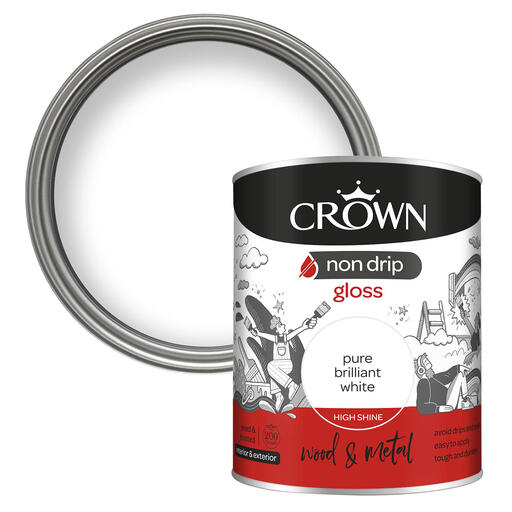
Why It Stands Out: This is a traditional, reliable option for those who prioritise a tough finish and a mess-free application. Its non-drip formula is a significant advantage when working on vertical or intricate surfaces.
Pros:
Who is it for? Decorators and DIYers looking for a classic, durable solvent-based gloss. It is particularly well-suited for painting doors, skirting boards and banisters where a tough finish and drip resistance are paramount. Note that as a solvent-based product, good ventilation is essential during and after application.
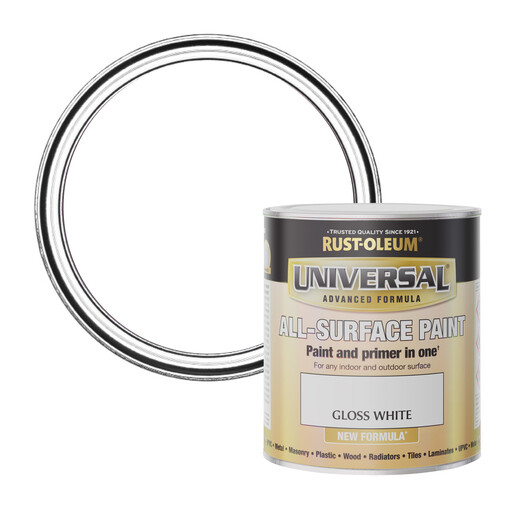
Why It Stands Out: This paint’s main appeal is its versatility. As a paint and primer in one, it can be applied directly to a vast range of surfaces without the need for a separate preparatory coat, saving time and effort.
Pros:
Who is it for? This is an excellent choice for those undertaking projects with multiple surface types, such as updating garden furniture, radiators or uPVC window frames. Its convenience makes it ideal for anyone wanting to streamline their painting process.
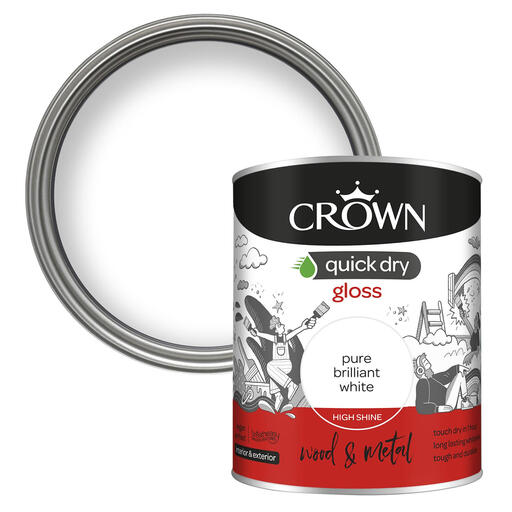
Why It Stands Out: This paint combines modern convenience with a high-quality finish. Its water-based formula is fast-drying and low in odour, making the decorating experience much more pleasant.
Pros:
Who is it for? Perfect for busy households and decorators who need to complete jobs quickly. Its low-odour, non-yellowing properties make it a great choice for interior woodwork, especially in homes with children or pets or for anyone sensitive to strong paint fumes.
If these recommendations don't quite fit your project, or if you're searching for a different finish like satin or eggshell, there are many other options available.
Explore our full range of gloss paint to find the ideal product for your home.
The yellowing of white paint, particularly solvent-based gloss, is often caused by a lack of natural UV light or exposure to heat from radiators. To minimise this, choose a modern water based gloss paint. These are specifically formulated to be a non yellowing gloss paint and will maintain their brilliant white appearance for much longer.
It depends on the paint and the wood. For bare or new wood, it is generally recommended to apply a suitable primer and undercoat first. This seals the wood, prevents knots from bleeding through and provides a solid base for the gloss topcoat to adhere to, ensuring a smoother, more durable finish. Alternatively, you can use an all surface paint that combines a primer and topcoat, which is designed for direct application.
Brilliant White is not a neutral white. It typically contains a small amount of blue or black pigment. This subtle tint counteracts the natural yellow tones in a room's light, making the paint appear brighter and crisper to the human eye. Pure white, on the other hand, lacks these pigments and can sometimes appear softer or creamier in certain lighting conditions.