
24/7 Customer Support

Free returns

Same-day & Next-day Delivery

Quality Guaranteed

Unlock Your Welcome Offers: FREE Delivery | Up to 80% OFF | Free 30-day JoyPlus trial
Download the APP
Choosing potato crisps can seem straightforward until you compare flavour strength, pack sizes, texture and ingredients. A large sharing bag may offer less convenience than individual packets, while a bold seasoning can leave some guests reaching for water rather than another crisp. Marketing language such as “hand-cooked”, “premium” and “extra crunchy” can also make products appear more distinctive than they are.
This guide explains the practical details UK shoppers should check before buying potato crisps, whether you need lunchbox snacks, party food, flavoured crisps or a reliable cupboard multipack.
A 150g sharing bag and a 6 x 25g multipack both contain 150g, but they suit different situations. Individual packs are more convenient for lunchboxes, office drawers and portion-controlled serving. A large bag is more suitable for a film night, picnic or buffet, but once opened its texture can deteriorate if it is not resealed properly.
Always compare the total weight, number of packets and price per 100g rather than judging value by the size of the outer packaging.
“Ridge-cut crisps”, “wavy cut” and “hand-cooked crisps” describe different eating experiences. Ridges can provide a thicker bite and help seasoning cling to the surface. Hand-cooked varieties often have irregular shapes and a more substantial crunch. Standard stackable potato crisps, such as Pringles, are made from dehydrated potato and other flours, creating a consistent curved shape rather than the uneven appearance of sliced potato crisps.
The right texture depends on use. Strong ridges can work well with dips, while thinner or stackable crisps may be easier for children and casual snacking.
Barbecue, chilli, vinegar and cheese seasonings vary considerably in intensity. A product described as “smoky” may be sweet and mild, while a spicy snack may include chilli alongside garlic, onion and flavour enhancers. If you are buying for a group, consider choosing one familiar salted option and one stronger flavour rather than relying on a single variety.
For classic snacking, salted crisps or lightly sea-salted varieties offer a simpler profile. Barbecue crisps and spicy crisps are more suitable when you want a noticeable seasoning. Ridge-cut crisps provide a heavier crunch and are less likely to break when served with dips.
Fans of hand-cooked products may prefer irregular, thicker slices, while stackable crisps offer consistent size and convenient tube packaging. McCoy’s, Kettle Chips, Tyrrells and Pipers represent different interpretations of traditional British crisps, so check the product description and ingredients rather than relying only on the front-of-pack wording.
For example, McCoy’s Classic Variety Multipack contains 12 x 25g packs divided between Salt & Malt Vinegar, Salted and Cheddar & Onion varieties. The McCoy’s 6 x 25g packs are also practical where individual servings are more useful than one large bag.
UK food labels must identify regulated allergens, usually in bold type. Check the current packet before serving, particularly where products contain milk, wheat, barley, soya, celery or mustard. Recipes and manufacturing arrangements can change.
Some options are suitable for particular dietary preferences, but suitability should always be confirmed on the label. Pipers Anglesey Sea Salt is listed as gluten free and suitable for vegetarians and vegans. Pringles Hot Smoky BBQ Ribs is described as vegetarian-friendly, but its ingredients list includes milk and wheat. “Vegetarian” does not mean dairy-free, and “vegan” does not automatically mean suitable for someone avoiding gluten.
Nutrition information is usually given per 100g and sometimes per serving. This makes it easier to compare energy, fat and salt between products, although crisps remain an occasional snack rather than a substitute for a balanced meal.
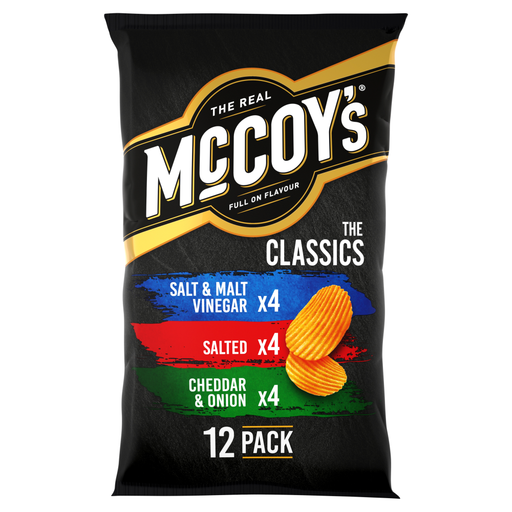
Why This Fits Their Persona: A practical choice for households needing lunchbox treats, weekday snacks and several familiar flavours in one purchase.
The 12 individual 25g packs make the quantity clear and avoid paying for oversized packaging with fewer servings.
Includes Salt & Malt Vinegar, Salted and Cheddar & Onion flavours; individual 25g serving packs are easy to store and carry.
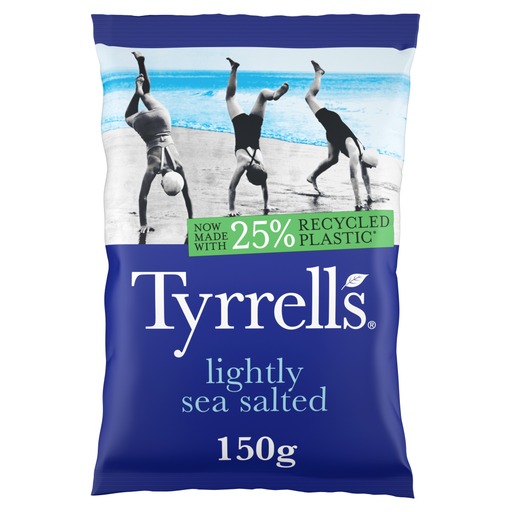
Why This Fits Their Persona: Suits shoppers looking for an English hand-cooked texture and a restrained salt flavour for picnics, cheese boards or evenings in.
The product information identifies the hand-cooked format and 150g net quantity, so texture and serving size are not left to vague packaging language.
Made with potatoes, sunflower oil and sea salt; made in England according to the supplied product details.

Why This Fits Their Persona: Suitable for gatherings where a resealable tube, stackable format and hot, smoky barbecue seasoning are useful.
The resealable tube is a practical storage feature, while the listed ingredients and allergens clarify that the product contains milk and wheat.
160g resealable tube; vegetarian-friendly recipe according to the supplied product information; hot and smoky barbecue-rib flavour.
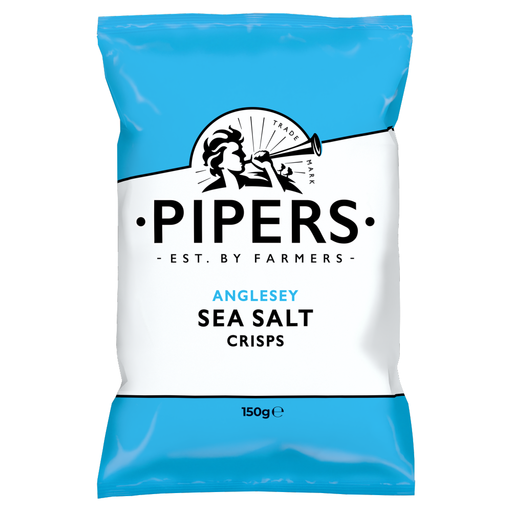
Why This Fits Their Persona: A straightforward option for shoppers seeking a sharing bag that is listed as suitable for vegetarians and vegans.
Its short listed ingredient line makes it easier to check the seasoning and dietary information before serving guests.
150g sharing bag; made with potatoes, sunflower oil and Anglesey sea salt; listed as gluten free and vegan-friendly.
Other useful choices include Kettle Chips Lightly Salted 130g for a simple sea-salt profile, McCoy’s Ridge Cut Salt & Malt Vinegar 6 x 25g for sharp flavour in lunchbox-sized packs and Koikeya Karamucho 60g for a ridge-cut spicy snack with chilli, garlic and onion notes. Check the Koikeya label carefully because it contains soya and celery and includes aspartame.
We have compiled a complete, real-time list of products that fully satisfy these strict selection criteria and UK safety regulations.
Sharing bags between 130g and 165g are convenient for parties, picnics and film nights. Resealable tubes such as Pringles can help protect unused crisps, while large open bags should be folded or transferred to an airtight container after serving.
No. Many traditional British crisps use sliced potatoes, but stackable products such as Pringles are made from dehydrated potatoes combined with flours and other ingredients. Read the ingredients list if the base product matters to you.
Keep unopened crisps in a cool, dry place away from direct sunlight. After opening, consume them promptly or reseal the packet securely. Moisture is the main reason crisps lose their crunch, so an airtight container can help with larger sharing bags. Always follow the best-before information printed on the packaging.