
24/7 Customer Support

Free returns

Same-day & Next-day Delivery

Quality Guaranteed

Unlock Your Welcome Offers: FREE Delivery | Up to 80% OFF | Free 30-day JoyPlus trial
Download the APP
As a Joybuy Product Recommendation Officer, my role is to help you navigate the crowded online marketplace. When it comes to premium ingredients like British Wagyu beef short ribs, it's easy to feel overwhelmed by marketing claims. Many home cooks, excited to recreate a restaurant-quality meal, end up disappointed. This guide will help you understand what truly matters, so you can buy with confidence.
Let's first look at the common pitfalls that can lead to a costly mistake.
To ensure you get what you pay for, focus on these three non-negotiable parameters. They are the true indicators of quality, far more than flashy packaging or marketing buzzwords.
The origin of your beef is a key quality marker. British Wagyu typically comes from cattle that are a cross between purebred Japanese Wagyu and established local breeds like Aberdeen Angus. Reared on British farms, these animals develop a unique flavour profile influenced by local pastures and feed. This traceability provides an assurance of animal welfare standards and a consistent product. When you buy British Wagyu online, you are investing in a specific standard of quality and provenance that is distinct from Wagyu from other parts of the world.
This is perhaps the most critical factor for culinary success. The two primary cuts for short ribs are:
For grilling and roasting, always opt for bone-in Wagyu short ribs. The bone serves three important functions: it insulates the meat during cooking for a more even result, it adds a significant amount of deep, beefy flavour as the marrow and collagen render and it helps the meat retain its moisture and structure. While boneless short rib meat has its place in stews, the bone is an essential component for achieving that classic, rich rib experience.
Based on these practical criteria, here are a few selections matched to different home cook profiles.
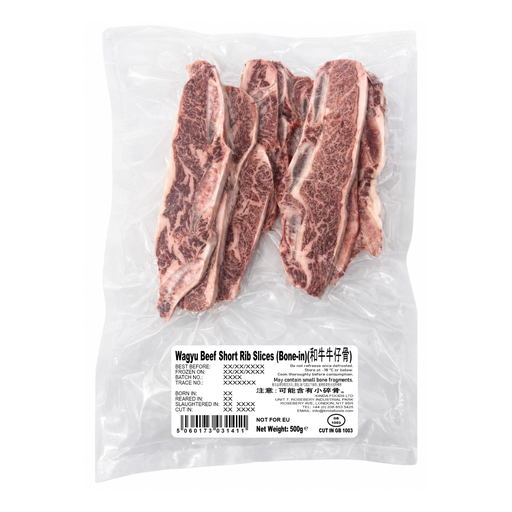
Why This Fits Their Persona: This is for the home cook dedicated to achieving authentic barbecue results. They value provenance and understand that the right cut is essential for a perfect crust and juicy interior when grilling or smoking.
This product is a thick cut, English-style rib, directly addressing the "wrong cut" pitfall. Its clear "British Wagyu" designation provides the provenance needed to avoid the "Wagyu mirage" trap.
Features 100% British Wagyu beef with rich marbling. The thickness is specifically suited for Wagyu for BBQ, ensuring it remains tender and juicy during slow cooking.
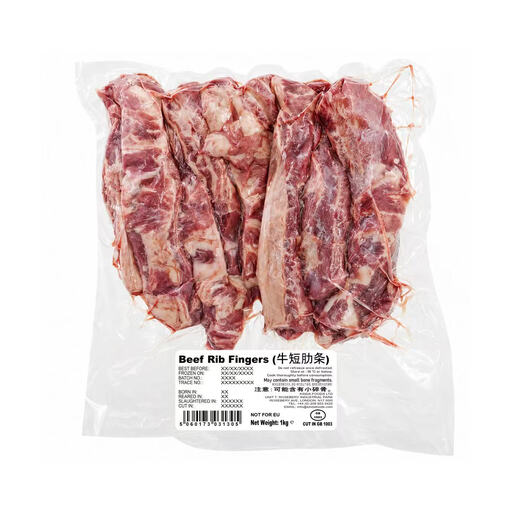
Why This Fits Their Persona: This cook prioritises rich flavour and melting tenderness for stews, curries and braises. They need a cut that performs well in a slow cooker or Dutch oven, where convenience and texture are paramount.
By being clearly labelled as boneless "rib fingers," it avoids the "wrong cut" trap for someone who doesn't want to deal with bones in a stew. It offers the rich flavour of rib meat without the Wagyu price tag, which is less critical for this cooking style.
This cut is taken from between the ribs, so it is naturally marbled and tender. Being boneless makes it exceptionally easy to portion and cook in wet-heat applications.
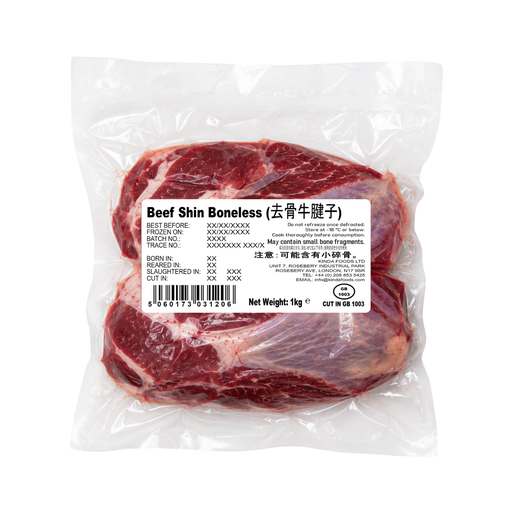
Why This Fits Their Persona: This home cook is looking for maximum flavour and value. They enjoy making large, comforting dishes like stews, pies or shredded beef, where a long, slow cook is part of the process.
It avoids the trap of overpaying for a premium cut like Wagyu when the cooking method (long braising) makes economical cuts like shin just as delicious. It's about choosing the right tool for the job, not just the most expensive one.
Beef shin is packed with connective tissue that breaks down into rich gelatine during slow cooking, creating a deeply flavourful and unctuous sauce. It offers excellent value for a 1kg cut.
We have compiled a complete, real-time list of products that fully satisfy these strict selection criteria and UK safety regulations.
The recommended method is to defrost them slowly in the refrigerator. Keep the ribs in their vacuum-sealed packaging and place them on a tray in the fridge for 24 to 48 hours, depending on their thickness. This gentle process helps the meat retain its moisture and preserves the delicate marbled texture. Avoid using a microwave or submerging them in hot water, as this can cook the exterior and ruin the texture.
The main difference lies in genetics and origin. Japanese Wagyu refers to specific purebred cattle breeds from Japan, such as the Japanese Black, which are raised under strict regional protocols (e.g., Kobe, Matsusaka). British Wagyu is typically a crossbreed, where Japanese Wagyu genetics are introduced to native UK breeds like Aberdeen Angus. This results in beef that carries the signature high marbling of Wagyu while also possessing a unique flavour profile influenced by British farming practices and terroir.
Yes, thick cut beef ribs are an excellent choice for a slow cooker. The high intramuscular fat content that defines Wagyu is perfect for low-and-slow cooking. As the fat renders over 6-8 hours on a low setting, it bastes the meat from within, resulting in an exceptionally tender and flavourful dish. The meat should be easily pulled from the bone when done.