
24/7 Customer Support

Free returns

Same-day & Next-day Delivery

Quality Guaranteed

Unlock Your Welcome Offers: FREE Delivery | Up to 80% OFF | Free 30-day JoyPlus trial
Download the APP
Brown rice can be a practical cupboard staple, but choosing the wrong type may lead to disappointing texture, lengthy cooking times or food that does not suit your recipe. The term covers everything from everyday brown basmati rice to Thai brown rice, black glutinous rice, rice noodles and fermented condiments.
Before adding a product to your basket, look beyond phrases such as “wholesome”, “premium” or “healthy”. The ingredient list, cooking instructions and storage requirements usually tell you more about whether it suits your household.
Wholegrain rice retains its bran layer, which generally makes it firmer and slower to cook than polished white rice. However, cooking times vary considerably between varieties. Brown jasmine rice may need around 20 minutes on the hob, while black glutinous rice can require several hours of soaking followed by 45–60 minutes of cooking.
If you need a quick weekday side dish, check the preparation time before buying. A speciality grain may offer a distinctive texture, but it can be inconvenient if you have not planned ahead.
A packet labelled brown rice may contain a single grain, while a wild rice mix can combine long-grain brown rice, red rice and wild rice. Brown rice noodles are made from brown rice flour and water, and brown rice vinegar is a fermented condiment rather than a staple grain.
Read the ingredient declaration carefully. For example, the Biona Organic Wild Rice Mix contains 66% long-grain brown rice, 28% red rice and 6% wild rice, whereas a single-variety product such as Thai Brown Jasmine Rice contains 100% brown jasmine rice.
Rice is naturally gluten-free, but packing and manufacturing environments may handle wheat, barley or other cereals containing gluten. Some rice noodles list no known allergens while also warning that they are produced in a facility handling cereals containing gluten.
For coeliac shoppers or anyone avoiding gluten for dietary reasons, check the current packaging and allergen statement. “Naturally gluten-free” describes the ingredient; it does not automatically confirm that every production environment is free from cross-contamination.
Choose the grain according to the dish:
For a minimally processed product, look for a short ingredient list such as 100% brown rice or 100% red cargo rice. Organic brown rice products should also display the relevant organic certification information on the packaging.
Nutrition panels are normally provided per 100g, usually uncooked for dry rice. Compare fibre, protein, salt and energy only on a like-for-like basis. Cooking adds water, so the values per 100g cooked will differ from those of the dry grain.
A product described as wholegrain should retain the bran and germ. This contributes to its characteristic colour, firmer texture and nutty flavour, but it also means that thorough cooking is important.
A 500g pack may be suitable for occasional cooking, while a 1kg or 4.5kg bag may offer better cupboard value for regular households. Large bags need suitable storage: keep rice in a cool, dry place, away from moisture, direct sunlight and strong odours. Once opened, an airtight container can help protect it from pests and humidity.
Rinsing can remove surface starch and loose particles. Follow the pack instructions rather than applying one universal water ratio. Red cargo rice, for example, lists a ratio of one part rice to 2.5 parts water, while other varieties use less water or recommend soaking.
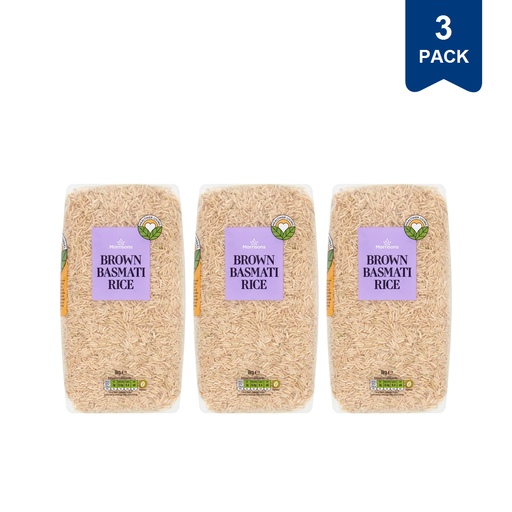
Why This Fits Their Persona: A multi-pack suits households preparing brown basmati rice regularly for weekday meals, curries and lunchboxes.
The pack gives clear boiled nutrition figures and hob instructions, reducing guesswork about portions and preparation.
Three 1kg packs; approximately 13 portions per pack according to the supplied product information.
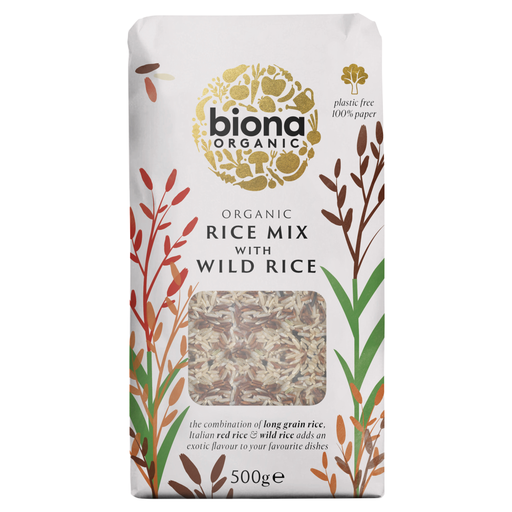
Why This Fits Their Persona: Suitable for shoppers wanting an organic blend with more varied colour, texture and flavour than a single rice variety.
The ingredient percentages show exactly how much brown rice, red rice and wild rice are included.
Certified organic ingredients; 500g format; no allergens listed in the supplied product information.
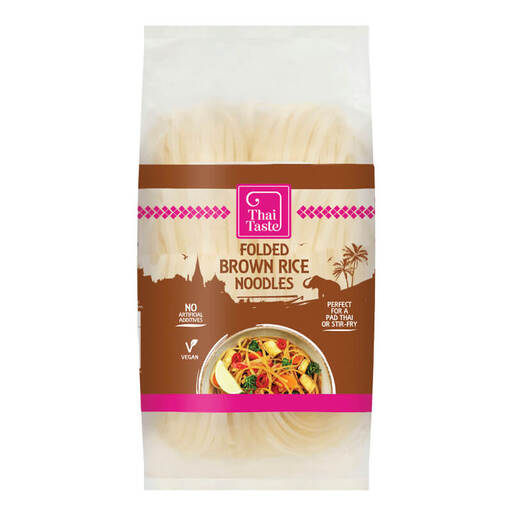
Why This Fits Their Persona: A useful option for cooks making Pad Thai, noodle soups, salads or stir-fries who want a rice-based alternative.
The ingredients specify brown rice flour at 83.5%, while the allergen advice flags shared-facility exposure for careful checking.
Naturally gluten-free; soak in boiled water for 5–10 minutes; suitable for vegetarian and vegan diets.
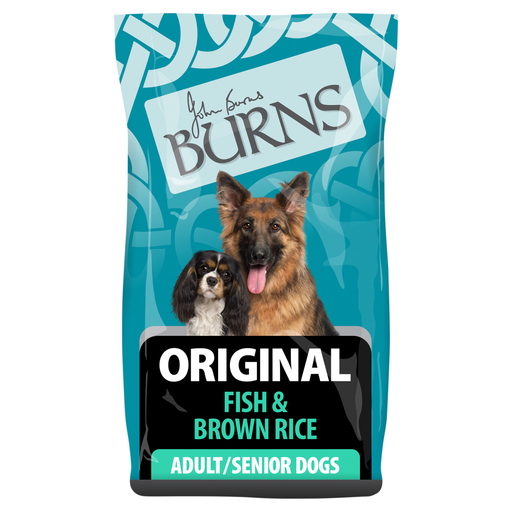
Why This Fits Their Persona: Designed for adult and senior dogs of all breeds, it may suit owners comparing fish-based, brown-rice dry food for daily feeding.
The composition is clearly stated: 61% brown rice and 20% fish meal, with feeding guidance for adult and senior dogs.
2kg recyclable bag; stated crude protein of 18.5% and crude fat of 7.5%. Consult a vet for dogs with medical conditions.
We have compiled a complete, real-time list of products that fully satisfy these strict selection criteria and UK safety regulations.
For most dry wholegrain rice, rinse under cold water and follow the packet ratio. Allow the cooked rice to rest briefly before fluffing. Black glutinous rice usually benefits from soaking overnight, while brown rice noodles need soaking or brief cooking rather than prolonged boiling.
Do not eat raw rice or raw rice noodles. Cook thoroughly, refrigerate leftovers promptly and follow the pack’s advice on reheating. Keep uncooked products sealed and check the best-before information before use.
Rice itself does not contain gluten, so plain brown rice is naturally gluten-free. However, manufactured products may carry cross-contamination warnings. Always check the latest label, particularly for brown rice noodles, flavoured mixes and condiments.
It depends on the variety and method. Brown basmati or brown jasmine rice may take around 20–35 minutes, while red cargo rice commonly takes 25–30 minutes plus resting time. Black glutinous rice may need soaking and up to an hour of cooking. Use the product instructions for the most reliable result.
Some complete dog foods contain brown rice as part of a formulated recipe. Suitability depends on the dog’s age, weight, activity and health status, not simply on the presence of rice. Introduce a new food gradually and speak to a vet before changing the diet of a dog with diabetes, intolerance or another medical condition.