
24/7 Customer Support

Free returns

Same-day & Next-day Delivery

Quality Guaranteed

Unlock Your Welcome Offers: FREE Delivery | Up to 80% OFF | Free 30-day JoyPlus trial
Download the APP
Brown rice can mean very different things on a UK shopping list. It may refer to everyday wholegrain rice, aromatic brown basmati rice, brown jasmine rice, risotto rice, noodles, tea or dog food containing brown rice. Choosing by the front label alone can lead to disappointing texture, unsuitable ingredients or unnecessary spending.
This guide cuts through common marketing language and focuses on the details that affect everyday use.
Brown basmati rice is typically long-grain and aromatic, while brown jasmine rice has a softer, fragrant profile. Risotto brown rice is selected for dishes where a plumper, starchier texture is useful. Substituting one for another can change the result significantly.
Check the rice variety and intended use before buying. A rice described as suitable for risotto may not produce the loose, separate grains expected from a pilaf.
These terms do not tell you whether the product is organic, gluten-free, high in fibre or suitable for a particular diet. Read the ingredient list and nutrition panel instead. For example, a product made with 100% Thai brown jasmine rice is more straightforward to assess than a blend with added oils, flavourings or coatings.
Also remember that “brown rice” does not automatically mean low calorie. Rice remains a carbohydrate-rich food, so portion size and the rest of the meal matter.
Brown rice noodles may be naturally gluten-free, but cross-contact information still matters for people avoiding gluten. Tea bags should not be consumed, and some rice products require thorough cooking. Pet food containing brown rice is not interchangeable with human food and should be selected according to the dog’s age, nutritional needs and any veterinary advice.
Match the grain to your recipe:
For rice sold uncooked, check whether the pack gives a water ratio, soaking guidance or cooking time. These details are more useful than vague descriptions such as “premium” or “traditional”.
A short ingredient list makes it easier to understand what you are buying. Thai Taste Folded Brown Rice Noodles, for example, list brown rice flour at 83.5% and water. The product is described as naturally gluten-free, but its packaging also notes that it is made in a facility handling several allergens.
For certified organic brown rice, look for the relevant organic wording and certification details on the packaging. Biona Organic Risotto Brown Rice lists certified organic wholegrain risotto rice as its ingredient, while also advising that traces of nuts, sesame, soya and cereals containing gluten may be present.
Compare nutrition panels on a consistent basis, ideally per 100g as sold or 100g cooked. These figures are not directly interchangeable. Morrisons Brown Basmati Rice provides values for boiled rice, including 3g of fibre per 100g cooked, while other products list uncooked figures.
Consider:
Airtight storage in a cool, dry place can help protect rice from moisture and strong odours. Always follow the instructions printed on the product packaging.
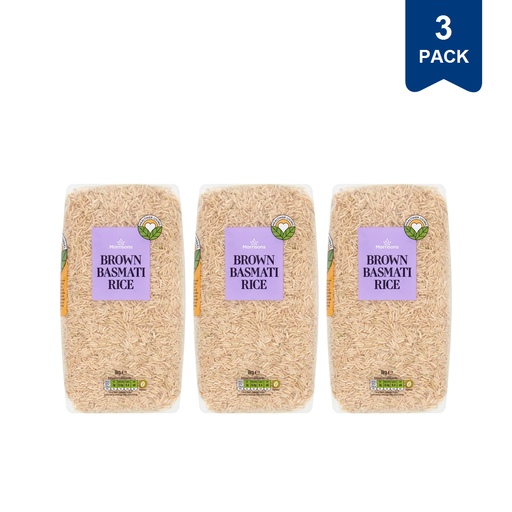
Why This Fits Their Persona: The three-pack format suits households that cook rice regularly and want a cupboard staple for curries, lunchboxes and weekday meals.
The product identifies itself specifically as brown basmati rice and supplies cooking guidance rather than relying only on broad wellness language.
Three 1kg packs; stated cooking time of 20–22 minutes; nutrition information is provided for boiled rice.
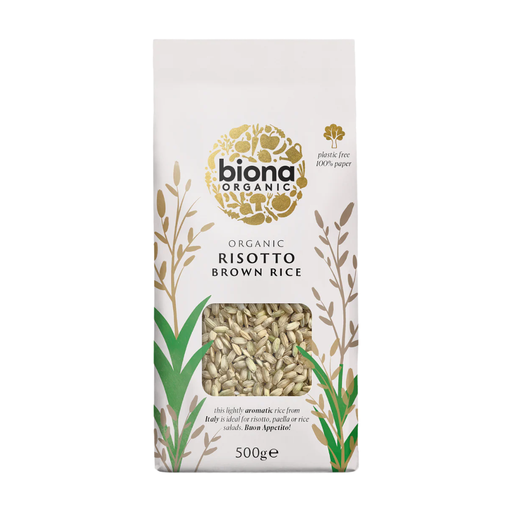
Why This Fits Their Persona: This is suited to shoppers who specifically want organic wholegrain risotto rice for planned home cooking rather than a general-purpose long grain.
Its ingredient information identifies wholegrain risotto rice and certified organic ingredients, making the product positioning easier to verify.
500g pack; organic wholegrain risotto rice; low stated salt content of 0.02g per 100g.
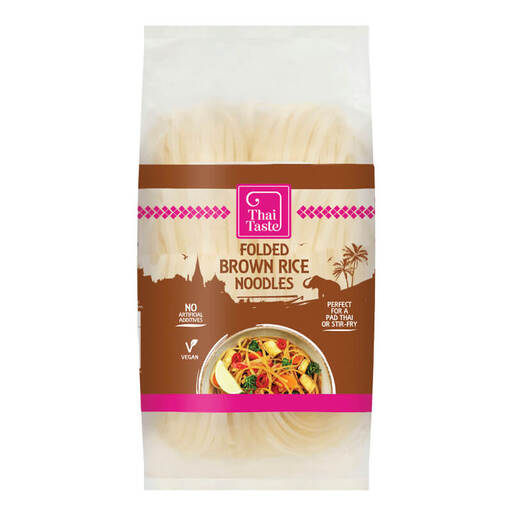
Why This Fits Their Persona: A practical choice for vegan, vegetarian or gluten-free shoppers who regularly prepare Pad Thai, soups, salads or stir-fries.
The ingredient list is limited to brown rice flour and water, while the allergen advice still flags shared-facility handling for customers who need strict avoidance.
200g pack; suitable for vegetarians and vegans; soak for approximately 5–10 minutes before draining and rinsing.
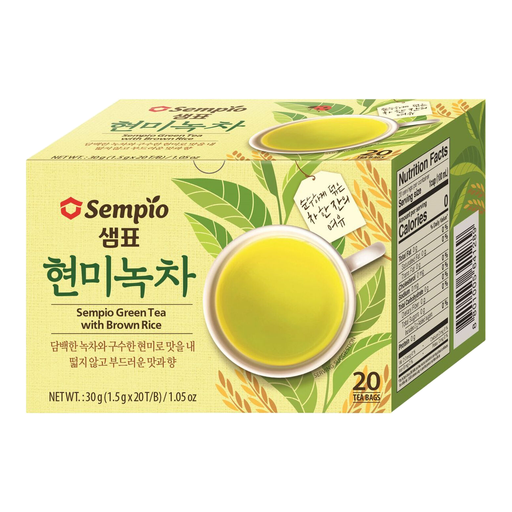
Why This Fits Their Persona: Suitable for tea drinkers who enjoy the toasted aroma of brown rice and want a drink that can be brewed hot or cold.
The product clearly lists brown rice and green tea as ingredients and provides separate hot- and cold-brewing directions.
30g tea pack; hot brew takes 2–3 minutes; cold brew takes 4–6 hours in the fridge.
Rinse brown rice before cooking if the packaging recommends it, then allow extra time compared with white rice. Brown jasmine rice commonly benefits from soaking, while brown basmati rice can be simmered and drained. Follow the specific instructions rather than applying one universal water ratio.
For brown rice noodles, soak them in boiled water as directed, drain thoroughly and rinse. Do not assume that every noodle product can be reheated after cooling; check the label first.
Store opened rice, noodles and tea in a cool, dry place away from sunlight and strong odours. For dog food, keep the bag sealed and follow the manufacturer’s use-after-opening guidance. Burns Adult Original Fish and Brown Rice and Burns Adult Original Lamb and Brown Rice are complete dog foods for adult and senior dogs, but owners should consult a vet before using dietetic food for a dog with a diagnosed condition.
We have compiled a complete, real-time list of products that fully satisfy these strict selection criteria and UK safety regulations.
Plain rice is naturally gluten-free, and products such as brown jasmine rice may be suitable for a gluten-free diet. However, processed foods can be made in shared facilities. Always check the ingredient list and allergen statement, particularly for brown rice noodles.
Cooking time varies by variety and method. One listed brown basmati product gives a hob cooking time of 20–22 minutes, while brown jasmine rice may require simmering and standing. Use the instructions on the pack for the most reliable result.
Brown rice can appear as an ingredient in complete dog food, but the finished recipe must be assessed as a whole. Check the life stage, feeding guide and composition, and speak to a vet if your dog has an intolerance, digestive condition or other health concern.