
24/7 Customer Support

Free returns

Same-day & Next-day Delivery

Quality Guaranteed

Unlock Your Welcome Offers: FREE Delivery | Up to 80% OFF | Free 30-day JoyPlus trial
Download the APP
Brown sauce is a familiar fixture in UK cupboards, but choosing between a classic British brown sauce, a fruity brown sauce, BBQ sauce or Japanese-style condiment is not always straightforward. A bottle may look suitable for sausages or chips, yet taste too sweet, run too thin or contain allergens you did not expect.
Before adding a brown sauce to your basket, check three common pitfalls: confusing similarly named sauces, overlooking bottle size and storage instructions, and judging quality from branding rather than the ingredient list. The right choice depends on how you eat it, how quickly your household uses condiments and whether specific ingredients need to be avoided.
British brown sauce generally combines vinegar, tomatoes, dates or other fruit, molasses, spices and sweeteners. However, the balance can vary considerably. A traditional sauce may be tangy and savoury, while a fruity brown sauce can have a softer, sweeter profile.
Japanese brown sauce is a different category altogether. Tonkatsu sauce is usually thick and fruity, designed for fried foods, while okonomi sauce is commonly used on okonomiyaki and takoyaki. BBQ sauce may be smokier or sweeter and is not always a direct substitute for breakfast brown sauce.
A squeezy brown sauce bottle is convenient for breakfast tables and reduces the need for a spoon, but it still needs to be stored according to the label. Larger bottles can offer more servings for families, although they may be unsuitable if your household uses sauce only occasionally.
Compare the net quantity rather than the apparent bottle size. A 400g multipack may suit regular users, whereas a 285g bottle can be more practical for a smaller household or anyone wanting to try a flavour before buying more.
Phrases such as “rich”, “fruity” or “full-bodied” describe taste direction rather than measurable performance. Check the ingredients, allergens, nutrition panel, country of origin and storage guidance on the product page or packaging.
For example, several British sauces in this selection contain barley and rye, while Japanese products may contain soy, wheat, celery or mustard. Always read the current packaging, particularly when buying for someone with an allergy or dietary requirement.
For breakfast foods such as bacon sandwiches, sausages and eggs, look for a vinegar-led sauce with tomato, dates, molasses and spices. This gives the familiar sweet-and-tangy character associated with British brown sauce.
If you prefer a milder taste, HP Sauce Fruity Brown Sauce includes fruits such as tomato, date, orange and tamarind, along with mango curry sauce. For a more distinctive brunch condiment, Sauce Shop Brown Sauce contains dates, tamarind and 4% stout, with barley, oat and mustard listed as allergens.
Brown sauce is typically used in small quantities, so compare both per 100g and per serving values where available. The listed products vary in sugar and salt content. For instance, the supplied nutrition information gives HP Brown Sauce at 23.1g sugars and 1.2g salt per 100g, while Daddies Squeezy Brown Sauce 400g lists 17.2g sugars and 1.4g salt per 100g.
Japanese condiments can be more concentrated. Otafuku Okonomi Sauce lists 8.75g salt per 100g, while Obento Tonkatsu Sauce lists 6.4g per 100g. These sauces are intended to be drizzled or used as a dip, not poured in the same quantities as a lighter table sauce.
Check whether the sauce is suitable for immediate table use, cooking, dipping or glazing. A standard British brown sauce can work with breakfast, burgers, pies and chips. Tonkatsu sauce is thicker and clings well to fried foods, while okonomi sauce works with Japanese savoury pancakes, noodles, grilled meat and vegetables.
Storage instructions also differ. Some products recommend refrigeration after opening, and certain bottles specify a period for consumption after opening. Keep the cap clean, close the bottle securely and follow the packaging rather than relying on a general assumption about shelf life.

Why This Fits Their Persona: A practical starting point for UK households wanting a familiar squeezy brown sauce for breakfasts, burgers, chips and sandwiches.
The 400g format makes the quantity clear, while the listed barley and rye allergens help shoppers check suitability before purchase.
Squeezy bottle; UK country of origin; 102 kcal and 17.2g sugars per 100g according to the supplied product information.
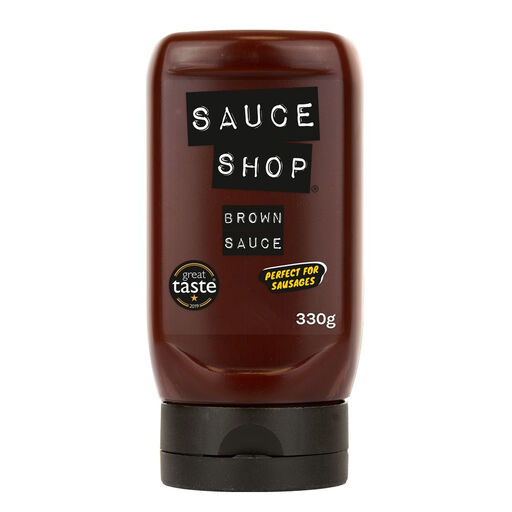
Why This Fits Their Persona: Suits brunch-focused cooks looking for a brown sauce with fruit, tamarind and stout notes rather than a standard everyday profile.
The ingredient list identifies the 4% stout content and allergens, so the flavour and dietary considerations are visible before buying.
330g bottle; contains dates and tamarind; designed for sausages, bacon and brunch dishes.
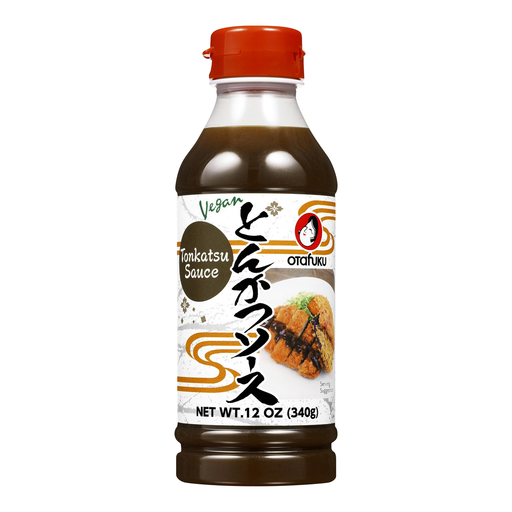
Why This Fits Their Persona: A focused option for cooks making tonkatsu, croquettes, fried chicken, tempura or grilled dishes at home.
It is clearly identified as tonkatsu sauce, avoiding the mistake of expecting a British breakfast condiment from a Japanese brown sauce.
Thick consistency; includes fruit and vegetable ingredients; suitable for dipping, glazing and serving with fried foods.
We have compiled a complete, real-time list of products that fully satisfy these strict selection criteria and UK safety regulations.
Yes. British brown sauce can be added to burgers, sandwiches, pies and marinades. Japanese tonkatsu and okonomi sauces are also suitable for glazing grilled meat, seasoning stir-fries or serving as a dipping sauce. Add small amounts first, as these sauces can be sweet, salty or strongly flavoured.
Follow the instructions on the individual bottle. Some products advise refrigeration after opening, while others specify cool, dry storage. Keep the cap closed and check the best-before information on the packaging.
Both are Japanese-style condiment sauces with sweet, savoury and fruity elements. Tonkatsu sauce is commonly paired with breaded fried foods and usually has a thick texture. Okonomi sauce is associated with okonomiyaki and takoyaki, but can also be used with grilled foods, noodles and vegetables. They are distinct from traditional British brown sauce, which is more commonly served with breakfast foods, sausages, chips and pies.