
24/7 Customer Support

Free returns

Same-day & Next-day Delivery

Quality Guaranteed

Unlock Your Welcome Offers: FREE Delivery | Up to 80% OFF | Free 30-day JoyPlus trial
Download the APP
Brown sugar can bring moisture, caramel notes and a deeper colour to recipes, but not every product labelled “brown sugar” works in the same way. A soft brown sugar for baking behaves differently from a dry granulated variety, while ginger brown sugar and Asian brown sugar are often intended for drinks or traditional recipes rather than a direct white-sugar substitute.
The main purchasing mistakes usually come from three traps:
Whether you are a UK home baker, tea drinker, Asian food enthusiast or homemade bubble tea maker, the right choice depends on how you plan to use it.
For brown sugar for baking, texture is one of the most important specifications. Soft brown sugar and dark muscovado contain naturally retained cane molasses, which can contribute to a moist, dense or chewy result in recipes such as gingerbread, fruitcake and sticky toffee pudding.
Dry granulated brown sugar is easier to measure and sprinkle. It may suit coffee, porridge, sauces and everyday cooking, but it will not necessarily provide the same soft texture as muscovado.
Check the wording on the product page or packet:
A short ingredient list makes it easier to understand what you are buying. Products described as pure cane sugar should be checked against the ingredients declaration to confirm whether they contain only cane sugar or additional flavourings.
For Fairtrade brown sugar, look for the relevant certification wording and read the packaging details. The Tate & Lyle Fairtrade Muscovado Dark 500g product information states that it is made from pure cane sugar and that Fairtrade sugar may be handled through a mass-balance system. This is different from assuming that every individual crystal can be traced to a certified source.
Flavoured products need closer attention. Ginger brown sugar may contain ginger powder, while jujube or osmanthus versions add a distinctive flavour that may not suit neutral baking. Always check ingredients and allergen information, particularly when buying imported products.
Brown sugar is still a sugar-based ingredient. The listed energy and sugar values vary slightly between products, but most standard brown sugars provide roughly 380–400 kcal per 100g and are mainly carbohydrate. A darker colour or traditional production method should not be interpreted as a medical or nutritional endorsement.
For storage, keep opened sugar in a cool, dry place and seal it tightly. Soft varieties can dry out and become hard; damp kitchen cupboards can also encourage clumping. If you buy a multi-pack, consider whether you can use it before the packets lose their preferred texture.
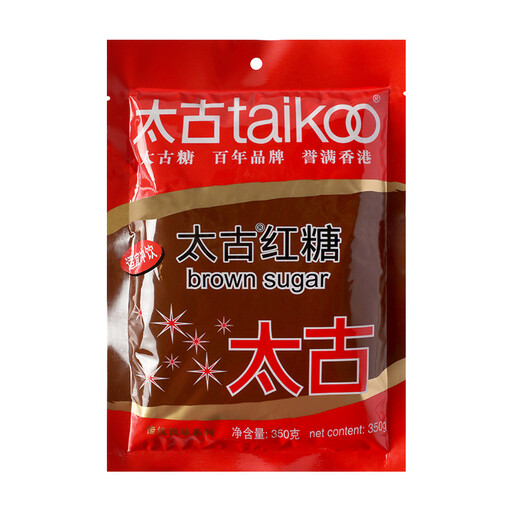
Why This Fits Their Persona: A straightforward 350g pack for shoppers trying brown sugar in tea, coffee, baking, marinades or everyday cooking without committing to a larger quantity.
The product is listed simply as brown sugar, making it easier to distinguish from ginger, fruit-flavoured or speciality blends.
350g net quantity; listed for beverages, baking, cooking and marinades; stores at room temperature in a cool, dry place.
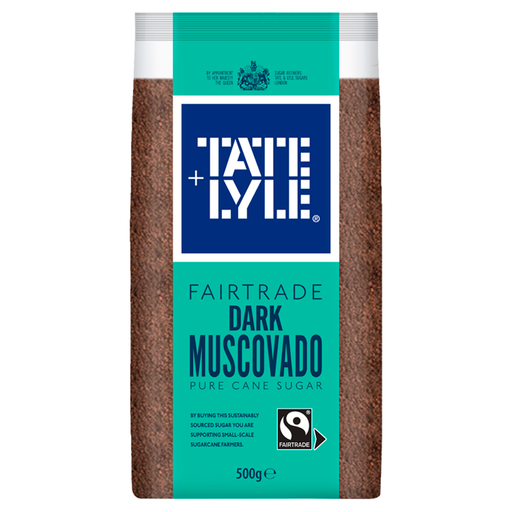
Why This Fits Their Persona: Suitable for bakers who want a moist, treacly sugar for fruitcake, chocolate puddings, gingerbread-style recipes and sticky savoury sauces.
Its description identifies dark muscovado and a high molasses content, rather than relying only on a dark colour to signal flavour.
500g pack; 100% pure cane sugar listed; Fairtrade sourcing information supplied; suitable for vegans and vegetarians according to the product details.
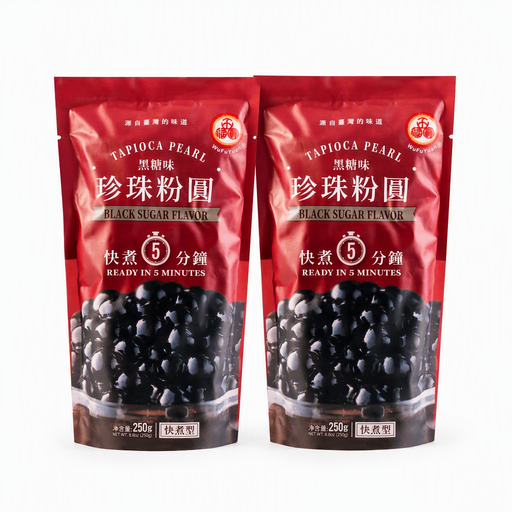
Why This Fits Their Persona: Designed for frequent homemade bubble tea makers and Asian dessert enthusiasts who want two 250g packs of quick-cooking tapioca pearls.
The pack states a five-minute cooking time, while also clearly requiring boiling and a further covered resting period before eating.
Two 250g packs; Taiwanese-style black sugar flavour; instructions include boiling, rinsing and soaking in syrup; do not consume raw.
We have compiled a complete, real-time list of products that fully satisfy these strict selection criteria and UK safety regulations.
Yes. Brown sugar can be stirred into tea or coffee, adding sweetness with caramel or molasses notes. Demerara crystals may take longer to dissolve than fine soft brown sugar. Ginger brown sugar is suitable when you specifically want ginger flavour as well as sweetness.
Dry sugar generally keeps for a long time when stored correctly, but soft brown sugar can dry out and harden. Keep it sealed in a cool, dry cupboard and follow the storage and date guidance on the packaging. Discard any product showing signs of contamination or an unusual smell.
Often, but the result may change. Brown sugar can add moisture, colour and molasses flavour, so cakes or biscuits may become darker, softer or denser. For reliable results, use the type specified in the recipe, particularly where the balance between dry and wet ingredients is important.