
24/7 Customer Support

Free returns

Same-day & Next-day Delivery

Quality Guaranteed

Unlock Your Welcome Offers: FREE Delivery | Up to 80% OFF | Free 30-day JoyPlus trial
Download the APP
Navigating the world of art supplies can be a challenge, especially when it comes to a tool as versatile as the brush pen. Whether you're perfecting your calligraphy, adding colour to illustrations or organising a bullet journal, the right pen can make all the difference. With so many options available, from ink types to tip flexibility, it’s easy to feel overwhelmed.
This guide is designed to simplify your decision. As a Joybuy Product Recommendation Officer, my role is to help you understand the key features to look for, so you can choose the tools that best suit your creative projects. We will explore what makes a great brush pen and highlight a few noteworthy options for various artistic needs.
Before diving into specific products, let's consider a few key factors. Focusing on these will help you narrow down the vast market to find the perfect fit for your work.
The ink inside your pen determines its behaviour and permanence.
journaling pens, but may not be lightfast, meaning colours could fade over time with exposure to light.lightfast artist pens offer superior permanence and resistance to fading. Once dry, the ink is typically waterproof, making it ideal for professional illustrators who may wish to apply watercolour or other wet media over their line work.The "brush" part of a brush pen is its most important feature.
pens for calligraphy and dynamic drawing pens.art marker pens come with two ends. A common combination is a flexible brush tip on one end and a fine-nib fineliner art pen on the other. These dual tip brush pens offer fantastic versatility, allowing you to create broad strokes and fill large areas, then flip the pen over for precise details and outlining.Consider what you will be creating. If you are looking for colouring pens for adults, a set with a wide spectrum of vibrant colours is a great choice. For hand lettering or journaling, a smaller, curated palette of complementary shades might be more practical and aesthetically pleasing.
Based on their features and suitability for different creative tasks, here are a few standout options to consider.
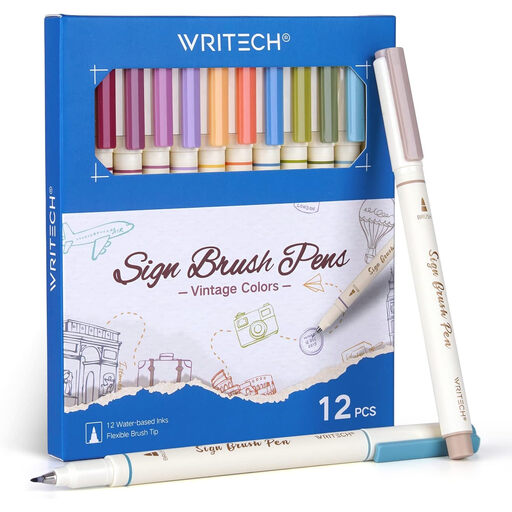
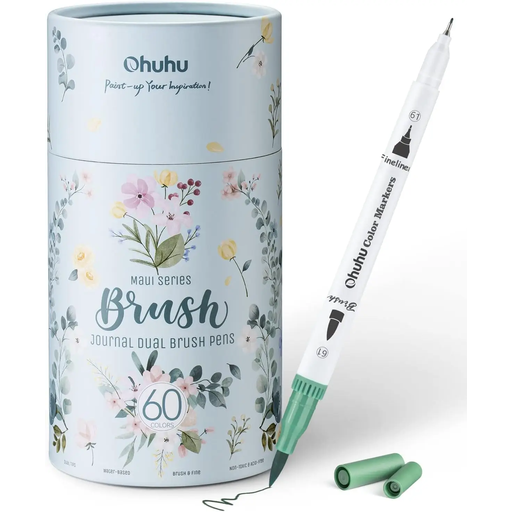
illustration pens and general creative work.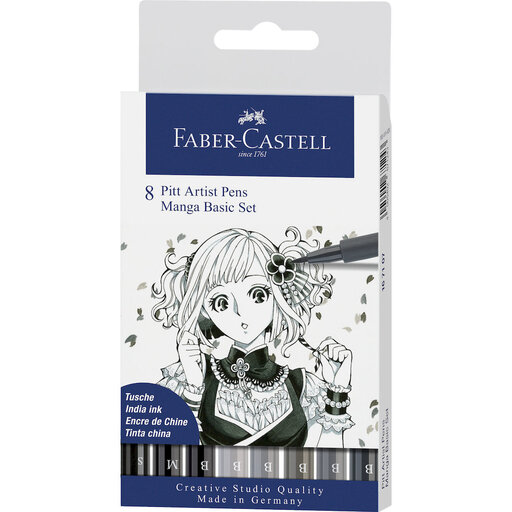
lightfast artist pens is a significant advantage.The world of creative tools is vast and personal. If the recommendations above don't quite fit your specific needs, or if you're simply curious to see more, there is a wider selection available.
? Explore our full range of art sketch pens to find your perfect match.
1. Are brush pens good for beginners? Yes, absolutely. Water-based brush pens are particularly good for those just starting out. Their forgiving nature allows you to practise pressure control and blending techniques without the permanence of alcohol markers or India ink. Sets like the WRITECH Arts Sign Brush Pens are a great entry point.
2. What is the main difference between brush pens and regular markers? The key difference lies in the nib. A standard marker has a firm, fixed tip (like a chisel or bullet), which produces a consistent line width. A brush pen has a flexible, tapered nib that mimics a paintbrush. By varying the pressure and angle, you can create lines of different thicknesses, from very fine to broad, all with a single stroke.
3. How can I prevent my brush pen tips from fraying? To maintain the sharp point of your brush pens, always use them on smooth paper; rough or textured paper can act like sandpaper on the delicate felt tips. Avoid using excessive pressure, as the ink should flow easily. Finally, always replace the cap securely after use to prevent the tip from drying out.