
24/7 Customer Support

Free returns

Same-day & Next-day Delivery

Quality Guaranteed

Unlock Your Welcome Offers: FREE Delivery | Up to 80% OFF | Free 30-day JoyPlus trial
Download the APP
Bubble tea combines tea, milk, flavourings and chewy pearls in a drink that can also work as a dessert-style treat. For UK shoppers, the main decision is whether to choose a ready-to-drink bubble tea or buy bubble tea ingredients for preparing drinks and desserts at home.
The category can be confusing, particularly when attractive packaging hides important details. Before buying, watch for three common pitfalls:
For homemade drinks, identify whether you are buying quick-cook tapioca pearls, traditional dried pearls or no-cook boba pearls.
Wu Fu Yuan Brown Sugar Tapioca Pearls are a quick-cooking option. The supplied instructions state that the pearls should be boiled for five minutes, covered and left for another five minutes, then rinsed and soaked in sugar syrup. They must be fully cooked and should not be eaten raw.
A no-cook product can reduce preparation time, but it may offer a different texture from freshly cooked tapioca. For a drink made from scratch, allow time for boiling, rinsing and syrup preparation. For a quick dessert topping, no-cook pearls may be more convenient.
A 210g or 250g pack may suit occasional home use, students sharing a kitchen or someone trying a new recipe. Larger packs, such as the 1kg WUFUYUAN Taiwan Quick Cook Tapioca Pearls, make more sense for families, frequent bubble tea makers or dessert preparation.
Dry pearls need to be stored in a cool, dry place, sealed after opening and protected from moisture and pests. Cooked pearls generally have a shorter useful serving window, so prepare only the amount you expect to use.
Milk tea drinks commonly contain milk powder, non-dairy whitener or milk-derived ingredients. For example, the POCAS coffee, taro and Thai tea drinks list milk allergens. Read the ingredient panel carefully if you have a food allergy or are buying for children.
Nutrition also varies between flavours. The POCAS coffee and Thai tea drinks list 74 kcal and 10g sugars per 100ml, while the POCAS taro drink lists 74 kcal and 11g sugars per 100ml. As each bottle is 490ml, the amount per bottle is considerably higher than the per-100ml figure. Treat these drinks as sweet refreshments rather than assuming that tea-based products are automatically low in sugar.
Products containing sweeteners or preservatives should also be checked carefully. Wu Fu Yuan brown sugar pearls, for instance, list aspartame and warn that it contains a source of phenylalanine. UK shoppers should check the label for the latest ingredient, allergen and storage information.
The following recommendations cover different uses, from an occasional ready-to-drink treat to larger packs for homemade milk tea and desserts.

Why This Fits Their Persona: A 250g pack provides a manageable starting point for students, flat-sharers and occasional home drink makers who want to prepare brown sugar bubble tea without buying a large quantity.
The cooking steps are clearly provided, helping buyers avoid treating quick-cook pearls as ready-to-eat. The label also identifies preservatives and sweetener information.
Brown sugar flavour; five-minute cooking stage followed by resting; suitable for milk tea and desserts.
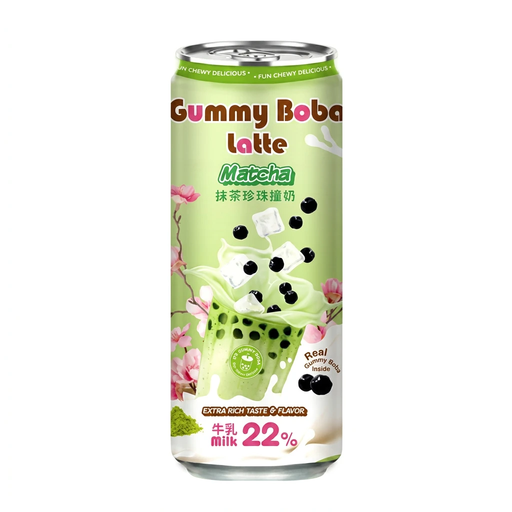
Why This Fits Their Persona: Suitable for shoppers who want matcha bubble tea in a portable format, without measuring tea, milk and pearls at home.
The 470ml can is ready to drink and designed for ambient storage, so there is no cooking stage to misjudge. It contains milk allergens, which are stated in the product information.
Matcha and creamy dairy flavour profile; portable canned format; konjac starch pearls included.
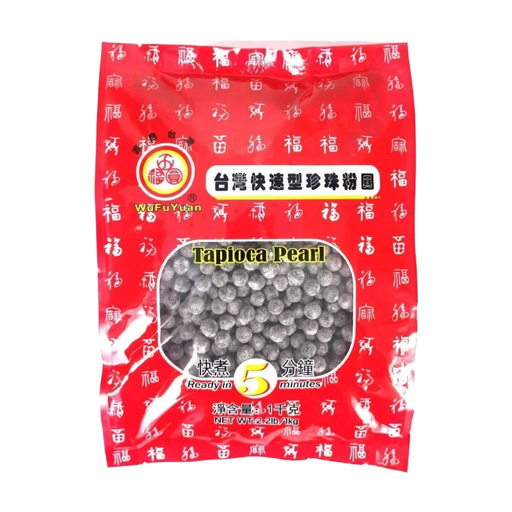
Why This Fits Their Persona: The 1kg pack is suited to families, parties, frequent home beverage makers and anyone using pearls in several dessert recipes.
The larger format supports planned portions rather than repeated small purchases. It is still a cooking-required product, so preparation time and storage must be factored into the choice.
1kg quantity; quick-cook format; suitable for bubble tea, milk tea and dessert preparation.
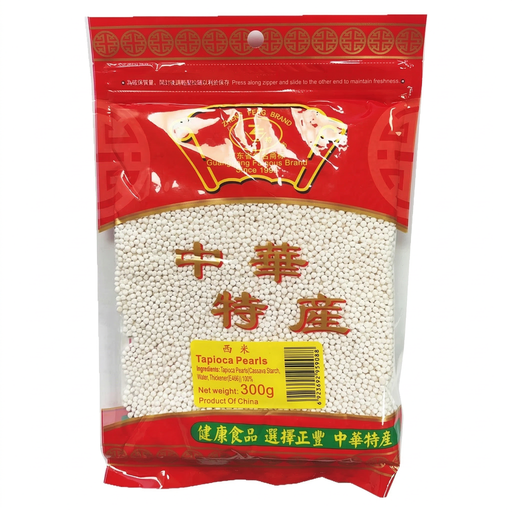
Why This Fits Their Persona: This option suits shoppers who want one ingredient for bubble tea, mango sago, coconut sago, puddings and sweet soups.
The ingredient list is centred on tapioca starch and identifies no allergens in the supplied product information. It is clearly marked as requiring boiling.
300g pack; neutral tapioca base; useful across drinks and Asian-inspired desserts.
We have compiled a complete, real-time list of products that fully satisfy these strict selection criteria and UK safety regulations.
For cooking-required pearls, use a large pan of boiling water and stir gently to reduce sticking. Follow the pack’s timing rather than relying on appearance alone. After cooking, drain and rinse the pearls, then add syrup if a sweeter brown sugar flavour is preferred.
Prepare a tea base using black tea, green tea or matcha, then cool it before combining with milk or a dairy alternative. Add cooked pearls shortly before serving, as their texture can change during storage. A wide reusable straw is useful for drinks containing chewy boba pearls, but make sure children are supervised because pearls can present a choking risk.
Ready-to-drink bottles and cans require less preparation. Shake gently where instructed and chill if preferred. Once opened, follow the label’s refrigeration and consumption guidance.
The initial purchase may include pearls, tea, milk, flavouring and reusable equipment. However, a larger pack of tapioca pearls can provide multiple servings. Compare the net weight, cooking method and amount used per drink rather than comparing pack prices alone.
Their texture is generally intended for use soon after cooking. Follow the product instructions and avoid keeping cooked pearls at room temperature for extended periods. Store unopened dry products according to the label, and check the best-before information before use.
Milk tea usually combines black tea with milk or creamer, while matcha bubble tea uses powdered green tea for a more pronounced vegetal flavour. Other variations include taro bubble tea, Thai tea bubble tea and coffee bubble tea. The flavour name does not replace checking the ingredients, sugar content or allergen declaration.