
24/7 Customer Support

Free returns

Same-day & Next-day Delivery

Quality Guaranteed

Unlock Your Welcome Offers: FREE Delivery | Up to 80% OFF | Free 30-day JoyPlus trial
Download the APP
Bubble tea drinks can be an easy way to enjoy milk tea, fruit tea and chewy toppings at home, work or on the move. However, the product format makes a significant difference to the experience. A bottled bubble tea may be ready immediately but have limited storage after opening, while an instant milk tea or bubble tea kit requires preparation but offers more control over serving size and temperature.
Before buying, look beyond colourful packaging and flavour names. The most useful checks involve the topping format, ingredients, storage instructions and the amount you are actually receiving.
A drink labelled taro milk tea, Thai milk tea or matcha bubble tea may contain only a small amount of the named ingredient, alongside flavourings, sugar and tea powder. For example, a taro-flavoured bottled drink may list taro powder at a relatively low percentage while still delivering a noticeable taro-style taste through flavouring.
If tapioca pearls or popping boba matter to you, check the ingredients for their percentage. Ready-to-drink products in this category may contain around 6% tapioca starch pearls or 8% popping boba, but not every flavoured milk tea includes a topping.
Nutrition panels are normally shown per 100ml or 100g, not necessarily per bottle or prepared cup. A 490ml bottled bubble tea with 10g of sugars per 100ml contains approximately 49g of sugars across the full bottle. Similarly, instant milk tea nutrition applies to the powder before it is diluted.
Compare the net quantity, serving instructions and per-serving figures together. A larger bottle or multi-pack can be convenient, but it may not suit occasional drinkers with limited fridge space.
Ambient-stable canned and bottled bubble tea can be useful for cupboards, university bags or office drawers. Once opened, however, products containing milk or pearls may need refrigeration and should generally be consumed within the period stated on the label. Some listings specify consumption within 24 hours after opening, while others provide a longer period.
Check whether the drink needs chilling before serving, whether it must be shaken and whether refrigeration is required after opening.
Traditional tapioca pearls are starch-based and provide a chewy texture. Popping boba tea uses juice-filled spheres that burst when bitten, creating a lighter, fruitier sensation. Some products use konjac or modified starch pearls instead, so the texture may differ from freshly prepared shop-style boba.
For a bottled drink, gently shake it before opening so the pearls are distributed more evenly. Always use a suitable wide straw or spoon rather than assuming a narrow drinking straw will work.
Choose between three main formats:
For example, Tsuboich’s DIY Roasted Green Tea Milk Tea Kit is prepared by steeping the roasted green tea and adding the included milk powder and sweetener. The product contains milk, so the allergen information should be checked before purchase.
Look for clearly listed ingredients and bold allergen declarations. Milk, soy, gluten, sulphites and nuts can appear in different formats. The MEETU White Milk Tea 3in1 480g listing identifies milk, gluten and soybean allergens, while several bottled milk teas identify milk.
UK shoppers should check the packaging on arrival for the latest ingredients, nutrition, best-before date and responsible business information. Keep dry powders in a cool, dry place and avoid sunlight or moisture. Refrigerate opened milk-based drinks according to the product instructions.
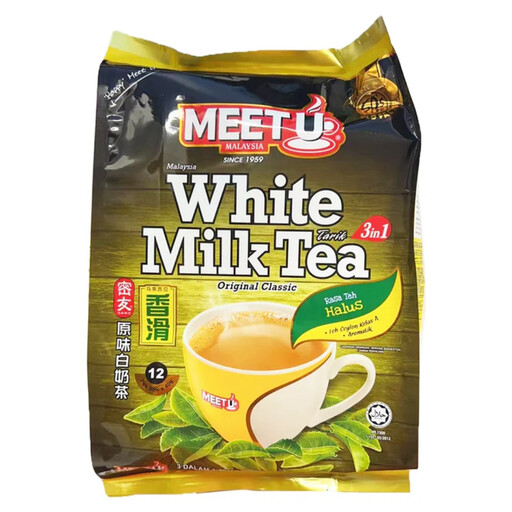
Why This Fits Their Persona: A dry instant format suits students, first-time buyers and office kitchens where cupboard storage is easier than keeping multiple bottles chilled.
The 3in1 format makes the powder, creamer and sweetness clear, while preparation instructions explain how to make a cup with hot or cold water.
480g pack; suitable for home, office or travel; can be served hot or over ice.
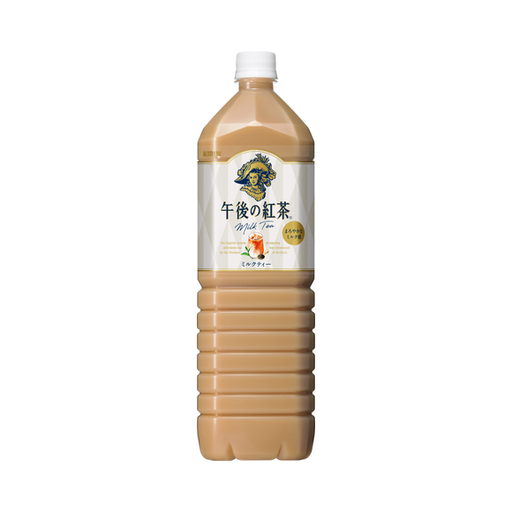
Why This Fits Their Persona: Shoppers who prioritise a Japanese milk tea style and a larger sharing bottle may prefer this ready-to-drink option for afternoons or gatherings.
The 1,500ml quantity is clearly stated, helping buyers distinguish a sharing bottle from an individual serving.
Uses black tea and milk; no preparation required; designed for chilled serving.
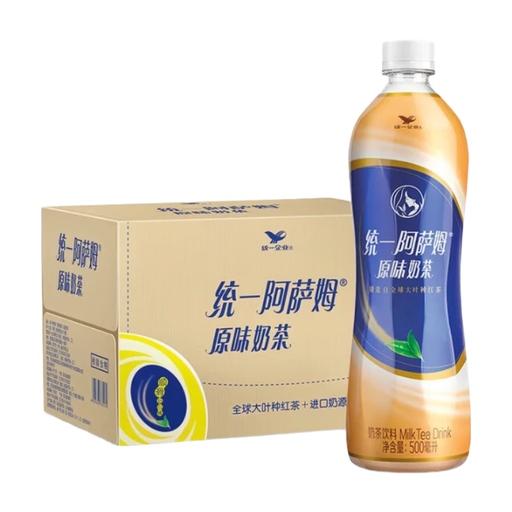
Why This Fits Their Persona: A 15-bottle case is practical for families, shared homes, events or regular lunch-break drinks where individual ready-to-drink bottles are useful.
The case quantity and 500ml bottle size are specified upfront, making it easier to calculate storage needs and cost per bottle.
15 individual 500ml bottles; Assam black tea and whole milk powder; can be customised with pearls or pudding.

Why This Fits Their Persona: This option suits shoppers who prefer a fruit-led drink, chilled refreshment and a popping boba texture rather than creamy milk tea.
The listing identifies both peach oolong tea and 8% popping boba, so the flavour and topping format are not left to guesswork.
490ml ready-to-drink bottle; 8% popping boba; no allergens declared in the supplied product information.
We have compiled a complete, real-time list of products that fully satisfy these strict selection criteria and UK safety regulations.
For a stronger DIY experience, pair an instant milk tea with separate no-cook boba tapioca pearls, such as WUFUYUAN Black Sugar 210g. Check the preparation instructions carefully, as “no-cook” does not mean the product can be consumed without following the stated directions. You can also add ice, adjust the water volume or combine a bottled Assam milk tea with extra toppings.
Other flavour directions include taro milk tea, Thai milk tea, matcha, coffee-flavoured drinks and fruit tea. A canned matcha bubble tea can be convenient for ambient storage, while a peach oolong drink offers a tea-and-fruit alternative without a creamy base.
Yes. Ready-to-drink bubble tea is prepared in advance, but it may need shaking and chilling before opening. Always follow the label instructions, particularly for refrigeration and consumption after opening.
The period varies by product. Several pearl-containing drinks specify refrigeration and consumption within 24 hours, while some milk tea bottles provide a longer stated period. The packaging instructions take priority over general advice.
They can reduce packaging and storage demands because one dry pack provides multiple servings. However, the actual value depends on the powder quantity, water used, toppings added and purchase price. Compare the number of servings with the equivalent bottled volume before ordering.