
24/7 Customer Support

Free returns

Same-day & Next-day Delivery

Quality Guaranteed

Unlock Your Welcome Offers: FREE Delivery | Up to 80% OFF | Free 30-day JoyPlus trial
Download the APP
Buying buckwheat noodles in the UK can be less straightforward than the name suggests. “Soba” may describe Japanese-style noodles, Korean noodles or even an instant noodle product, while the actual buckwheat content can vary considerably. Some products contain mainly wheat flour, and others are flavoured convenience noodles with no buckwheat listed in the ingredients.
Before adding a large pack to your basket, check the flour ratio, allergen information, preparation method and serving format. These details determine whether the noodles suit a chilled dipping dish, hot soup, stir-fry, salad or quick student meal.
Traditional Japanese soba noodles can contain a mixture of buckwheat and wheat flour. Commercial dried soba noodles often use wheat for structure, so the word “soba” alone does not confirm a high buckwheat percentage.
For example, Yutaka Soba Noodles list 30% buckwheat flour and 58% wheat flour, while Akagi Joshu Soba lists 20% buckwheat flour. By contrast, Jin Sha He Buckwheat Noodles specify a buckwheat content of at least 30%. Always read the quantitative ingredient declaration rather than relying on front-of-pack wording such as “authentic” or “wholegrain”.
Buckwheat itself does not contain wheat gluten, but many gluten-containing noodles combine buckwheat with wheat flour. Several products in this category clearly list wheat or cereals containing gluten as allergens.
If you have a wheat or gluten allergy, check the full ingredient list, allergen statement and packaging information every time. Do not assume that a darker colour or a higher buckwheat percentage makes a noodle suitable for a gluten-free diet. Cross-contamination advice may also vary between products.
Instant soba-style products can be useful for work lunches or busy evenings, but they may include seasoning oils, sauces and flavour enhancers. NISSIN Soba Cup Japanese Curry, for instance, is a three-minute drain-and-toss meal containing wheat, soya and milk allergens. It is a convenience food rather than a plain noodle base for custom recipes.
For greater control over salt, sauce and toppings, choose plain noodles and add ingredients such as spring onions, mushrooms, tofu, vegetables or a dipping sauce separately.
Ingredients are listed by weight, so the position of buckwheat flour helps indicate its proportion. A stated percentage is more useful. Options in the available range include:
A higher stated percentage usually means a more noticeable earthy flavour, but it can also affect texture and cooking performance. If you prefer a firm, springy bite, look for preparation guidance and rinse the noodles after boiling.
Small packs are practical if you are trying Japanese soba noodles for the first time. A 250–300g pack may suit occasional meals, while 800g to 1.36kg options are more appropriate for families, meal preparation or frequent noodle dishes.
Sukina Buckwheat Soba Noodle offers a 1.36kg pack described as 15 servings. Sempio Buckwheat Noodles Soba comes in a 1.3kg pack, while Soba Noodles 800g provides a middle-ground pantry option. Compare the total weight and stated portions rather than judging value from the pack appearance.
Most plain soba requires boiling. Many products recommend around four to five minutes, followed by rinsing under cold water. This removes surface starch and helps the noodles retain a firmer texture.
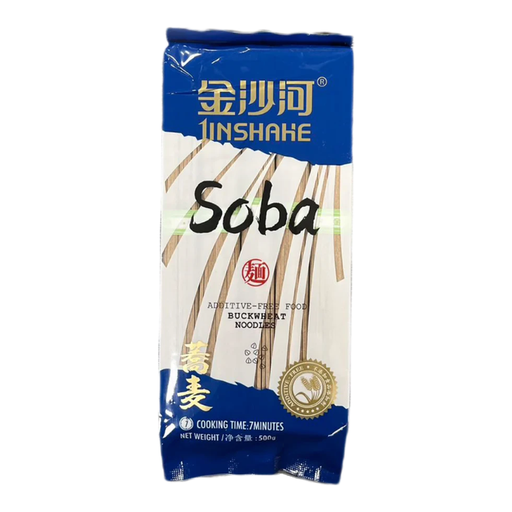
Why This Fits Their Persona: The 500g format is manageable for first-time buyers, flat sharers and households wanting a versatile dried noodle for soups, salads and stir-fries.
The packaging specifies buckwheat flour at ≥30% and identifies wheat as an allergen, making the composition clearer than a generic soba label.
500g pack; suitable for hot and cold dishes; listed nutrition includes 5g dietary fibre per 100g.
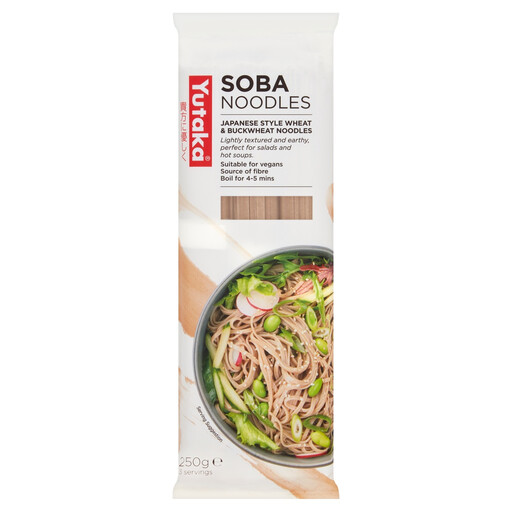
Why This Fits Their Persona: A compact pack with a stated 30% buckwheat content suits shoppers who want a clearly described Japanese-style noodle for dipping sauces and soups.
The ingredient percentages make it easier to compare with products that do not disclose a buckwheat ratio.
30% buckwheat flour; instructions cover both cold and hot serving; 4.6g fibre per 100g is listed.
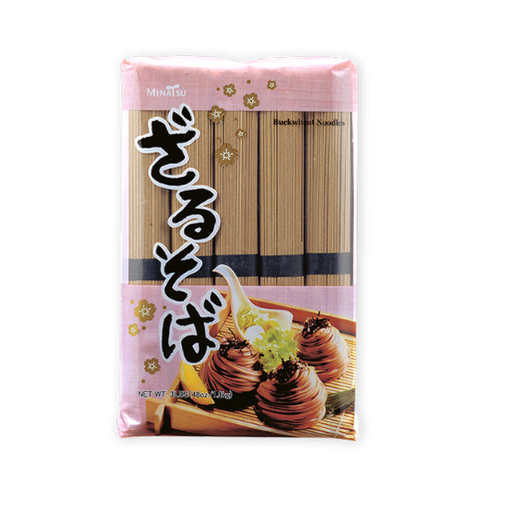
Why This Fits Their Persona: The large pack is suited to families, meal preppers and frequent cooks making cold soba, broth bowls or noodle salads.
The ingredient list identifies wheat and buckwheat, while the storage guidance recommends resealing the pack after opening.
1.3kg net quantity; listed protein is 12g per 100g; suitable for hot and cold recipes.

Why This Fits Their Persona: Five individual 60g portions and a three-minute soaking method work well for rented kitchens, office lunches and limited cooking time.
It is a portion-packed noodle product with a stated buckwheat level of at least 30%, rather than an unspecified flavoured cup.
Five 60g portions; non-fried formulation stated; suitable for hot or cold serving after cooking.
We have compiled a complete, real-time list of products that fully satisfy these strict selection criteria and UK safety regulations.
Use plain noodles as a flexible pantry staple:
Store unopened dried noodles in a cool, dry place away from moisture. After opening, reseal the packet or transfer the contents to an airtight container, and follow the best-before and storage instructions on the packaging.
They are not automatically a healthier choice for every person. Nutritional values vary by recipe, buckwheat percentage, portion size and added sauce. Compare the UK nutrition panel for energy, fibre, protein and salt, and choose according to your dietary needs.
Many do. Wheat flour is common in soba and other buckwheat noodle products, so check for wheat, gluten and cereals containing gluten in the allergen information. Only choose products clearly suitable for your requirements.
Unopened dried noodles are generally shelf-stable until the best-before date shown on the packet when stored correctly. Once opened, protect them from moisture and odours, reseal the packaging and check for changes in appearance or texture before cooking.