Everyday lunch packers
If naan will appear in several lunches, count the portions you can use from a pack rather than judging it by its size alone.


Choose a naan pack by the portions you will actually use: a standard two-pack may suit lunches where you can divide or use larger breads, while smaller formats can avoid cutting and leftovers. Compare the current cost of those usable portions, then check the purchased pack’s allergy and storage advice, the school’s arrangements and the needs of any filling.
If naan will appear in several lunches, count the portions you can use from a pack rather than judging it by its size alone.
A mini naan may be easier to fit into a lunchbox without cutting a larger bread. Compare the portion you need before choosing a format.
Check the purchased pack’s ingredients and precautionary warnings against the pupil’s needs, alongside the school’s allergy arrangements.
Start with the bread portion the pupil will use, then check the label and plan how the rest of the lunch will be packed.
| Priority | What to check | Your needs |
|---|---|---|
| Usable portions | Compare the current pack price with the number of portions you expect to use. Check bread size and price per kilogram too; neither measure accounts for bread left over. | I’m planning repeated lunches and want to judge the cost of the portions we will eat, not just the whole pack. |
| Lunchbox fit | Compare a standard naan that can be divided with a smaller bread that can be packed whole. Plan the other lunch foods separately; East Lancashire Hospitals NHS Trust’s packed-lunch guidance discusses bread alongside protein foods, fruit and vegetables. | A whole smaller bread would be convenient if a larger naan leaves an unused portion. |
| Allergy advice | Read the current ingredients and precautionary warnings on the purchased pack. Check the school’s arrangements for the pupil; the Department for Education’s allergy guidance describes schools’ policies for managing known allergens. | Before packing lunch, I need to know whether this particular naan fits the pupil’s allergy requirements. |
| Storage | Follow the chosen pack’s directions after opening and for freezing. If a filling needs keeping cool, consider insulated packing and a small ice pack, as NHS Healthier Families advises for a packed-lunch recipe. | I want to use the remaining bread within its storage directions and pack the filling appropriately for the school day. |
Pack counts alone conceal differences in bread size: Sainsbury’s listed its standard two-pack at 260g and its four-mini pack at 188g.
Compare the portion you intend to pack, the current pack price and the price per kilogram before deciding which format works for your lunches.
Asda’s listed plain naans contain wheat. Sainsbury’s standard and mini plain naans also carry a warning for customers with a milk allergy because of manufacturing methods.
Read the purchased pack’s current ingredients and precautionary advice, then check the pupil’s applicable school arrangements.
Asda’s listed two-pack says to consume it within 24 hours of opening; the M&S plain naan listing says to use an opened pack within one day. Directions can differ by product.
Check the chosen pack’s opened-storage and freezing instructions before deciding how many lunches to prepare from it.
These retailer listings offer examples of standard and smaller formats; check the current product label and shelf details for the pack you choose.
Asda lists a plain two-pack for shoppers considering a standard naan.
Tesco lists both a 260g plain two-pack and a separate 188g pack of four plain minis.
Sainsbury’s lists a 260g standard two-pack and a 188g four-pack of mini plain naans.
Waitrose lists a 220g pack of two plain naans.
M&S lists a 200g plain naan product and a separate 188g pack of four minis.
These Humza plain-naan multipacks offer four- and twelve-piece formats to consider for packed-lunch planning. Compare the portion you will use and the current pack details before choosing.
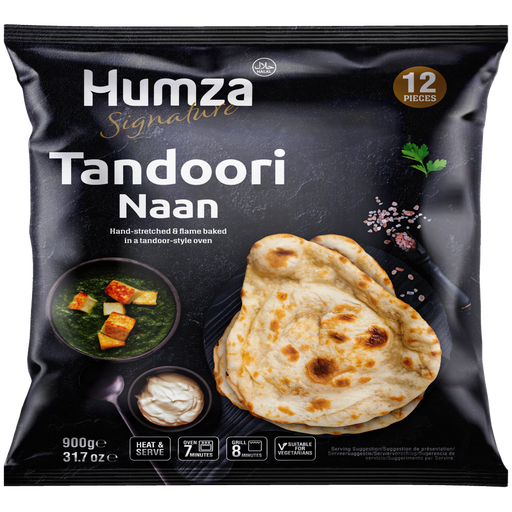 No image available
The twelve-piece pack is an option when planning naan for multiple lunches; consider how you will use the bread within the product’s storage and freezing directions. It contains wheat. Check the purchased pack’s full allergy advice and the school’s arrangements before packing it.
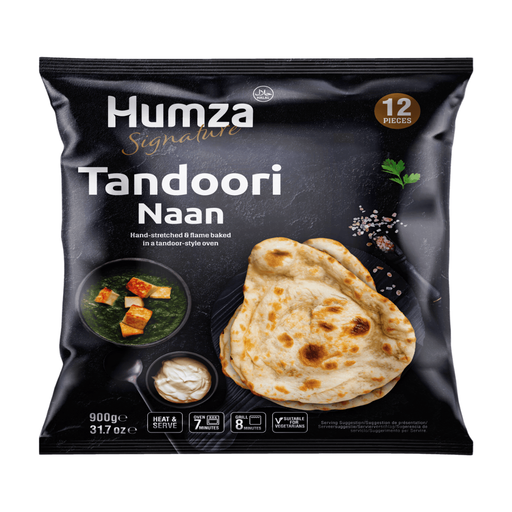 No image available
The four-piece pack gives you fewer breads to plan around than the Humza family pack; check whether one bread suits the intended lunch portion. It contains wheat and has storage and freezing directions. Read the purchased pack’s full allergy advice and check the school’s arrangements.
Plan the rest of the lunch separately. East Lancashire Hospitals NHS Trust’s packed-lunch guidance discusses starchy foods alongside protein foods, fruit and vegetables; naan can be the bread component.
Follow the preparation directions on the pack you buy rather than assuming all naans have the same instructions or that heating is available at school. Asda’s listed plain two-pack gives oven and grill directions.
Follow the naan pack’s opened-storage and freezing directions, and consider the filling separately. For a packed-lunch recipe that needs keeping cool, NHS Healthier Families advises an insulated container and a small ice pack.
No. Check the purchased product’s current allergy advice: Sainsbury’s lists both its standard and mini plain naans as unsuitable for customers with a milk allergy because of manufacturing methods.
Check the school’s packed-lunch and allergy arrangements for the pupil, as well as the naan’s current label. The Department for Education’s allergy guidance says schools must publish an allergy safety policy setting out how they reduce contact with pupils’ known allergens.