Budget-focused parents and carers
You are looking for a quick after-school snack with a predictable cost per child and are comparing standard supermarket pancake packs rather than premium formats.


Standard own-label Scotch pancakes are a practical starting point when keeping routine after-school snack costs down, provided the child can eat the declared ingredients. Pay more attention to storage instructions, portion information and the current allergen label when choosing frozen, filled, higher-protein or gluten-free alternatives.
You are looking for a quick after-school snack with a predictable cost per child and are comparing standard supermarket pancake packs rather than premium formats.
You need a pack with storage instructions that fit how quickly pancakes are likely to be used, particularly when a child may not finish a multipack promptly.
You need to check wheat or gluten, egg, milk and precautionary allergen information before serving or packing pancakes, alongside the school’s own allergy arrangements.
Start with the pancake format and likely portion, then check the current pack for storage, ingredient and nutrition information before making it part of an after-school snack.
| Priority | What to check | Your needs and respondent concerns |
|---|---|---|
| Routine snack cost | Compare cost per pancake across similar pack formats. Check whether a loyalty-card offer is available to you before using it for regular budgeting. | I want a snack cost that is manageable for regular use. In a February 2024 British Nutrition Foundation survey of 1,007 British parents of children up to age 18, 45% said the higher cost of healthier food made feeding their children a healthy diet harder. |
| After-school convenience | Check whether the pancakes are ready to eat, need heating or need cooking from frozen. Review the ingredient list and front-of-pack nutrition information on the exact pack. | A snack needs to be available soon after school without becoming the entire snack by default. In a British Nutrition Foundation survey of more than 2,500 UK children aged 10 to 13, 76% said after school was a time when they normally had a snack during the week. |
| Portion and pack information | Compare traffic-light information where supplied, per-pancake values and pack count. Use the serving information alongside ingredients rather than relying on flavour or a front-of-pack claim. | I want to compare packaged snacks with more than just the price or flavour in mind. In the same British Nutrition Foundation survey of UK children aged 10 to 13, 33% thought it was easy to choose a snack from a shop. |
| Allergens and school arrangements | Read the current allergen declaration for wheat or gluten, egg, milk and any advisory statements. Check the school’s allergy policy before sending pancakes into school. | I need the snack to fit the child’s dietary requirements and the school’s arrangements. Department for Education guidance for England says schools must publish an allergy safety policy and consider food brought from home in their allergy-safety approach. |
Pack sizes and pancake formats vary, so a larger-looking pack is not necessarily the lower-cost option per snack. Standard Scotch pancakes and premium buttermilk or protein formats should be compared on a like-for-like per-pancake basis.
Compare the unit cost, pack count, storage method and ingredients together before deciding which pack suits regular use.
Storage instructions differ between products. Asda and Waitrose listings include freezer guidance for some pancake products, while the M&S Sweet Pancakes listing says the product is not suitable for freezing.
Check the storage panel, date mark and thawing instructions before buying a multipack, especially if leftovers are likely.
A chilled pack that cannot be frozen may be harder to use before its storage deadline.
Standard pancake products commonly contain wheat or gluten, egg and milk, and some packs carry additional precautionary statements. A school may also have requirements beyond the product label.
Read the physical pack at purchase, confirm that it suits the individual child and check the school’s current allergy policy before packing it.
A protein statement describes one nutrient, while ingredients, portion size, sugars and the rest of the snack still matter. NHS guidance advises checking packaged-snack labels and including suitable fruit or vegetables in children’s snacks.
Use the current nutrition and ingredient information to assess the whole snack, rather than relying on one front-of-pack description.
Tesco offers a standard Scotch pancake option alongside banana, buttermilk and protein-focused pancake formats.
Sainsbury's offers an own-label Scotch pancake multipack for households seeking a standard ready-to-eat format.
Asda provides a standard own-label Scotch pancake six-pack with freezer suitability stated on the product listing.
M&S has standard Scotch pancakes as well as chilled sweet and buttermilk pancake formats.
Waitrose offers buttermilk and higher-protein pancake formats, including products with freezer guidance.
These Joybuy options are pancake-style snacks for households considering frozen storage, preparation time and current ingredient information alongside their after-school routine.
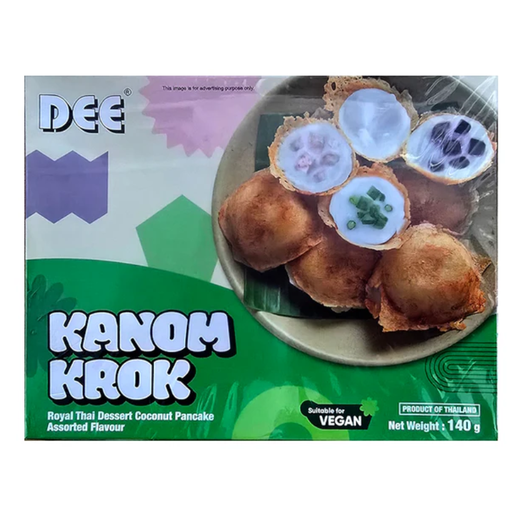 No image available
A frozen option for households able to heat a snack after school.
The listing gives microwave heating of 50–60 seconds or air-fryer heating of 7–8 minutes. It identifies coconut as an allergen; check the physical pack for the specific child.
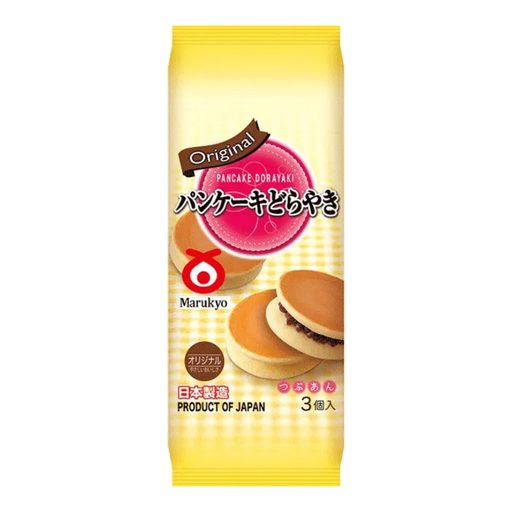 No image available
A three-piece ready-to-eat sweet pancake snack for use at room temperature.
The listing identifies wheat, egg, soybeans and milk, with possible peanut and tree-nut traces. It states approximately 36g sugars per 100g; check the current pack information and plan the rest of the snack accordingly.
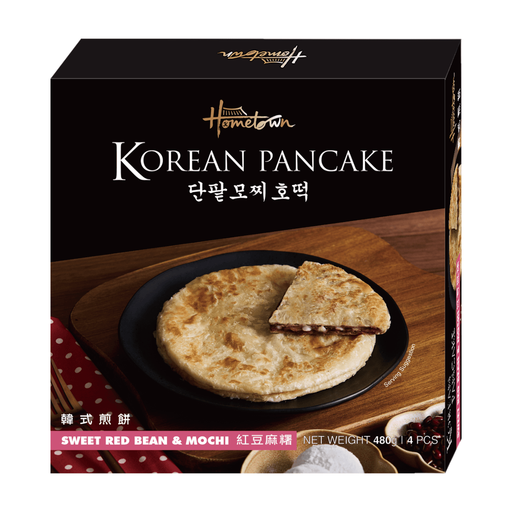 No image available
A filled Korean-style pancake for planned frozen-snack preparation rather than immediate use.
Store at −18°C or below and cook thoroughly before serving. The listing identifies wheat, so check the current physical pack and individual dietary requirements.
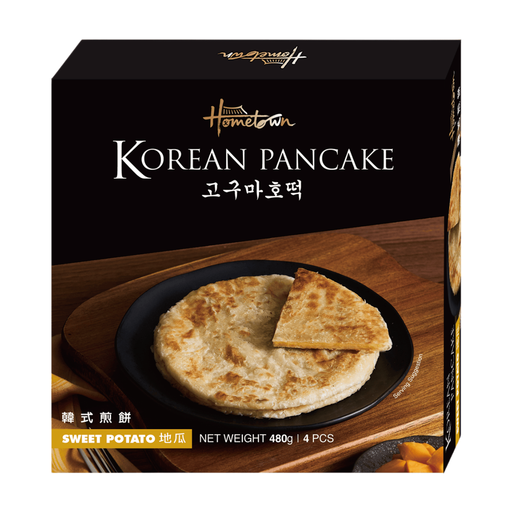 No image available
A frozen pancake for households with freezer space and time to cook after school.
It can be cooked from frozen and must be kept at −18°C or below. The listing identifies wheat and soybean allergens and gives nutrition information per 100g.
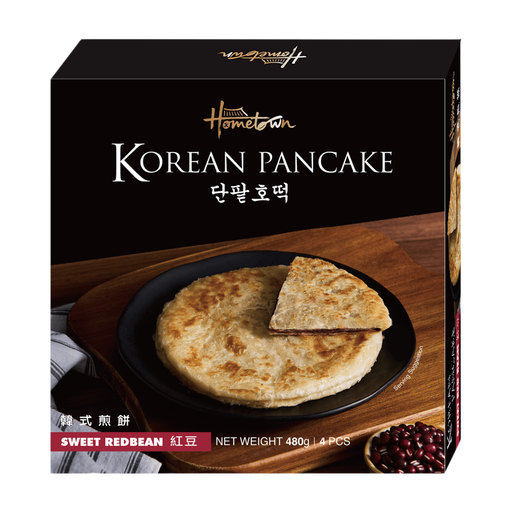 No image available
A frozen sweet pancake option for planned preparation after school.
The listing states frozen storage at −18°C or below and cooking without defrosting. It identifies wheat and provides nutrition information per 100g.
They can be a convenient option, but the pack price alone does not determine suitability. NHS guidance advises checking packaging and nutrition labels for packaged snacks; use the current ingredient, portion and storage information when deciding how pancakes fit the snack.
Some can be frozen, but follow the instructions on the exact pack. Asda Scotch Pancakes and Waitrose buttermilk pancakes have freezer guidance on their listings, while M&S Sweet Pancakes are labelled not suitable for freezing.
Many standard pancake products contain wheat or other cereals containing gluten, and commonly include egg or milk. Recipes and precautionary statements can change, so use the physical pack label at purchase and before serving.
Check the individual school’s allergy arrangements and the child’s needs before packing them. Department for Education guidance for England says schools must publish an allergy safety policy and consider food brought from home in their allergy-safety approach.
No. A gluten-free claim concerns gluten and wheat status, not every allergy or intolerance. For example, the Genius Gluten Free Pancakes listing states that the product contains egg, so the current ingredient list still needs checking for the individual child.