Occasional buffet hosts
If cauliflower is the main oven dish, shelf flexibility in one cavity may matter more to you than having two separate ovens. Check how many of your own trays fit in the cooking mode you plan to use.


For an occasional cauliflower buffet, start with a built-in single oven if its cooking mode, shelves and cavity accommodate your trays. A double oven makes more sense when another dish needs a separate temperature or finishing time; a wider range cooker is worth considering for frequent large gatherings if the kitchen and installation requirements suit it.
If cauliflower is the main oven dish, shelf flexibility in one cavity may matter more to you than having two separate ovens. Check how many of your own trays fit in the cooking mode you plan to use.
If cauliflower must roast while another dish cooks at a different temperature or finishes at another time, separate cavities can ease the scheduling conflict.
If you regularly prepare several dishes for a crowd, a wider range cooker may be useful, provided its layout and installation requirements fit your kitchen.
Choose when: Cauliflower is the main oven dish and the model’s documented cooking mode accommodates the trays you need.
Trade-off: One cavity cannot provide a separate temperature zone for another dish.
Choose when: Another buffet dish needs its own cooking temperature, mode or finishing time.
Trade-off: The two cavities may differ in size and functions, and the cabinet opening must suit the exact model.
Choose when: Large, multi-dish cooking is frequent enough to make use of a wider freestanding cooker.
Trade-off: Check its width, layout, services and delivery access before committing kitchen space.
| Concern | What to check | Who this matters to |
|---|---|---|
| Multi-tray roasting | Check the mode-specific shelf guidance and usable space against the dimensions of your trays. | If cauliflower needs to come out across several trays, I want a cooking mode and shelf arrangement that suit the batch. Around 36% of consumers put multi-tray roasting first. |
| Separate cooking zones | Compare the cooking modes and usable space of each cavity, not just the combined capacity. | When another buffet dish needs a different temperature or finishing time, I need room to cook it independently; around 29% of consumers prioritise separate zones. |
| Kitchen and electrical fit | Confirm installation dimensions and the exact model’s connection and power requirements. | For a replacement in an existing kitchen, I need an oven that fits the opening and can be connected appropriately. That is the primary concern for around 21% of consumers. |
| Cleaning and energy information | Compare the cleaning method and the exact models’ energy labels and product information sheets. | After roasting oil-coated florets, I want a cleaning routine I can manage and clear energy information to compare. Around 14% of consumers place these considerations first. |
Exterior width does not establish usable tray dimensions or how many shelves a particular cooking mode can use. Hotpoint’s guidance for the HO 455C B UK, for example, differs by mode.
Measure your buffet trays and check the model’s cavity, shelf positions and instructions for the mode you intend to use.
A double oven provides separate cooking spaces, but the second cavity may have different functions and less usable room than the main oven.
Check each cavity’s modes, shelf arrangement and tray fit separately before planning which dish goes where.
Delivery, installation, removal and any cabinet changes can affect what is involved in replacing an oven.
Check the retailer’s current service terms and the exact model’s fitting requirements before ordering.
Some built-in models from Bosch and Neff specify a fixed connection rather than a plug. Electrical Safety First advises checking an oven’s power requirements to avoid overloading wiring.
Read the exact installation instructions and arrange advice from a qualified electrician if the existing supply or required connection is uncertain.
Built-in ovens with model-specific multi-level cooking and cleaning options.
Built-in double ovens for cooks who need separate cavities.
Built-in ovens with model-specific multi-level cooking and cleaning features.
Built-in single ovens with model-specific airflow and cleaning options.
Wider range cookers for kitchens that regularly accommodate crowd cooking.
These Joybuy choices cover built-in single and double ovens and 90 cm range cookers. Match the format to your buffet schedule, then check tray fit and installation requirements for the individual model.
 No image available
Consider this built-in single-oven format if cauliflower is the main oven dish. Check the shelf guidance and your tray dimensions before planning a multi-tray batch.
 No image available
The double-oven format is relevant when cauliflower and another dish need separate cooking spaces. Check the installation position and usable tray space in each cavity.
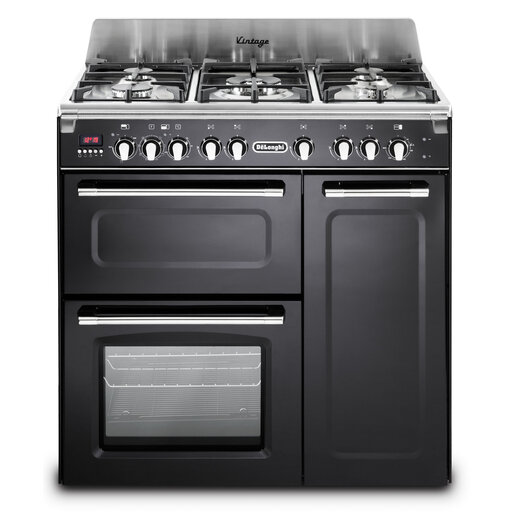 No image available
Consider a 90 cm range cooker if you regularly prepare larger or mixed buffets. Confirm the oven layout, tray fit, kitchen space and gas and electrical connections for this variant.
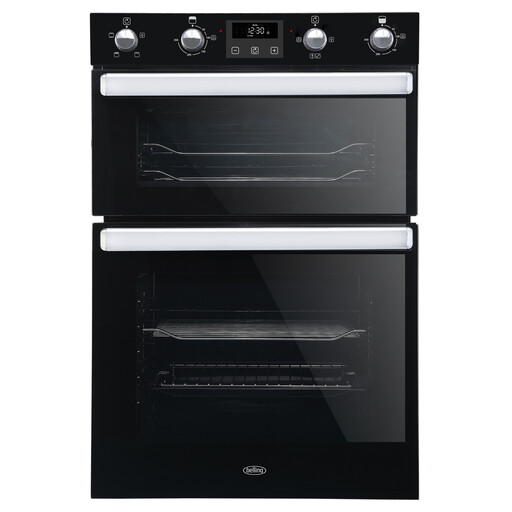 No image available
Separate cavities may help when another buffet dish has a different schedule from the cauliflower. Check usable shelf space in both ovens and the cabinet and electrical requirements.
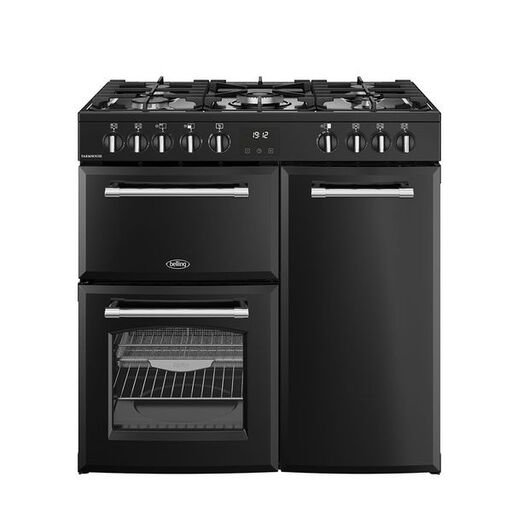 No image available
This wider format may suit frequent, multi-dish buffet cooking if the kitchen has room for it. Check the cavity layout against your trays and confirm gas and electrical installation requirements.
Yes, if cauliflower is the main oven dish and the exact oven accommodates the trays you need. Check its instructions for multi-level cooking, along with the shelf arrangement and your tray dimensions; another dish needing a different temperature may make a second cavity more useful.
Choose a double oven when separate temperatures or finishing times solve a real conflict in your buffet schedule. A larger single cavity keeps the roast together, while a double oven calls for checking each cavity’s functions and fit as well as the installation space.
Yes. Check the exact oven’s power and connection instructions against the existing supply. Electrical Safety First advises reviewing power requirements to avoid overloading wiring and recommends using a registered electrician for installation or repair work.
For domestic ovens within the scope of UK energy-labelling requirements, GOV.UK guidance says an energy label must be displayed at the point of sale and a product information sheet must accompany the product. Compare those documents for the exact models rather than treating a general efficiency description as a direct comparison.
Choose a cleaning method you are willing to use on the cavity where you will roast. The cited models include hydrolytic, Aqua Clean, catalytic and pyrolytic options, but availability varies by model; check the relevant oven’s manual for what the feature does and how to use it.