Breakfast managers offering a lower-sugar choice
Look for nutrition stated for the prepared drink, a dilution recipe staff can repeat and a bottle format that fits the number of breakfast covers.


For a hotel breakfast buffet prioritising a lower-sugar choice and repeatable service, start with a no-added-sugar squash that gives nutrition for the diluted drink and clear mixing instructions. A double-strength concentrate can mean fewer bottle changes if staff measure it consistently; choose a higher-fruit squash for its menu flavour rather than assuming it has less sugar. Check the current label, ingredients, dilution and storage instructions before serving it.
Look for nutrition stated for the prepared drink, a dilution recipe staff can repeat and a bottle format that fits the number of breakfast covers.
Keep the current bottle and recipe aligned with the information available to guests. Several of the squash products described by Tesco Groceries, Marks & Spencer and Waitrose & Partners list sulphites or sulphite compounds.
A higher-fruit recipe may suit the intended menu. Marks & Spencer describes its Pink Grapefruit High Juice squash as containing 50% fruit juice; compare its nutrition on the dilution actually served, not against another product’s ready-to-drink figures without adjustment.
Choose the menu proposition first, then compare nutrition on the same prepared-drink basis and set a measured recipe for service.
| Priority | What to check | Your needs |
|---|---|---|
| Sugars and sweeteners | Read the current no-added-sugar claim, sugars per prepared serving and ingredient list. No added sugar does not mean sugar-free or free from sweeteners. | I want to offer a clearly labelled alternative to sugary squash without suggesting that every guest has the same dietary needs. The NHS lists sugar-free, diet and no-added-sugar drinks among alternatives to sugary squash. |
| Dilution and yield | Check the concentrate-to-water ratio and stated servings per bottle, then measure the recipe used at the buffet. Waitrose & Partners suggests 1:9 for Essential Summer Fruits; its Robinsons Orange listing specifies 1:4. | Our staff need to make each batch the same way so the flavour, concentrate used per glass and expected bottle yield do not shift during service. |
| Allergen information | Check the exact bottle for declared allergens and update guest information if the product or recipe changes. The reviewed ranges include products listing sulphites or sulphite compounds. | Guests should be able to obtain accurate ingredient and allergen information for the squash being served, including at a self-service buffet. |
| Fruit content | Check the stated fruit percentage and the basis of the nutrition panel. Marks & Spencer states 50% fruit juice for Pink Grapefruit High Juice; that figure alone does not establish its sugars or calories per prepared glass. | If fruit-forward flavour matters to our menu, I still want to compare drinks as we actually serve them. |
| Opened-bottle life | Read the storage and use-after-opening instructions on each variant and plan stock around breakfast covers. Waitrose & Partners lists a four-week period for Robinsons Double Strength Blackcurrant, while its Ribena Blackcurrant listing says to refrigerate and use within 21 days. | A slower-moving flavour needs a stock-rotation plan, especially when more than one bottle is open. |
No-added-sugar products can still contain naturally occurring sugars and sweeteners, so the two descriptions are not interchangeable.
Use the claim on the current pack and check its sugars figure and ingredients before writing a buffet label.
A 1:9 concentrate and a 1:4 concentrate use different amounts per glass. Nutrition for undiluted concentrate cannot be compared directly with nutrition for a prepared serving.
Follow each labelled recipe and compare figures for the serving size guests will receive.
Using more concentrate than a 1:9 recipe specifies also reduces the number of servings obtained from the bottle.
The Marks & Spencer Pink Grapefruit High Juice ingredient list includes sulphites. GOV.UK guidance for England, Wales and Northern Ireland and Food Standards Scotland guidance say food businesses must provide allergen information for prepacked and non-prepacked drinks.
Base buffet allergen information on the current bottle and recipe, and update it whenever either changes.
Post-opening instructions differ by product, affecting how long an opened bottle can remain in the service plan.
Date opened bottles, follow their storage instructions and rotate stock against expected breakfast demand.
Concentrate left after its stated post-opening period may need to be discarded.
The reviewed no-added-sugar orange and blackcurrant squashes provide two preparation formats: 1:4 for Orange and 1:9 for Double Strength Blackcurrant, according to the Tesco Groceries and Waitrose & Partners listings.
Waitrose & Partners lists its No Added Sugar Summer Fruits squash with a suggested 1:9 dilution and 60 servings per bottle.
Marks & Spencer describes Pink Grapefruit High Juice as a no-added-sugar squash containing 50% fruit juice.
Waitrose & Partners lists Vimto No Added Sugar Squash with a 1:4 dilution.
Waitrose & Partners lists Ribena Blackcurrant No Added Sugar Squash with 18% blackcurrant juice from concentrate and instructions to use at least four parts water to one part squash.
These no-added-sugar squash options cover blackcurrant, orange, summer-fruit and tropical flavours for buffet planning. Compare each variant’s current pack instructions before adopting it as a standard service recipe.
 No image available
A blackcurrant concentrate for a buffet offering a no-added-sugar squash. The product directions specify at least four parts water to one part concentrate; measure the recipe and check the prepared-drink nutrition when setting the serving size.
The ingredient information lists sweeteners and sodium bisulphite. Follow the current bottle’s storage instructions and use it to keep buffet allergen information accurate.
 No image available
An orange option with a stated 3 kcal per 250 ml diluted glass. Check the bottle’s mixing instructions before writing the staff recipe or estimating servings.
The product information lists sweeteners and sulphites, and says to refrigerate after opening and consume within four weeks for flavour.
 No image available
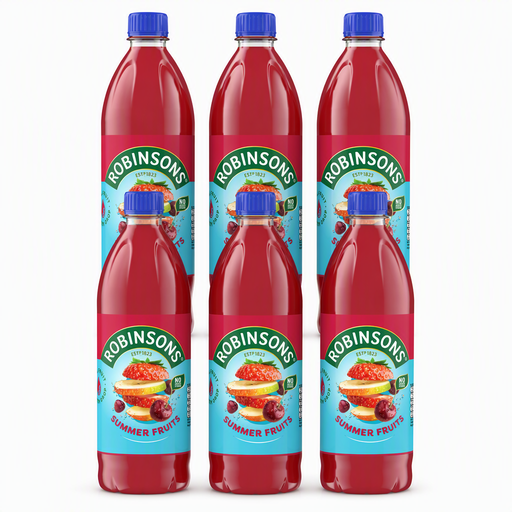
This six-bottle pack offers a summer-fruit flavour for a buffet that expects to use several bottles. Its product description states up to 25 servings of 250 ml per bottle and 2 kcal per 100 ml diluted; confirm the current pack’s recipe and sugars figure before using those figures in service planning.
The ingredient information lists sweeteners and sulphites.
 No image available
A single 1 L summer-fruit bottle for a buffet testing that flavour or stocking it separately from a multipack. The product information states 2 kcal per 100 ml diluted; use the current bottle for the mixing ratio and post-opening instructions.
Its ingredient information lists sweeteners and sulphites.
 No image available
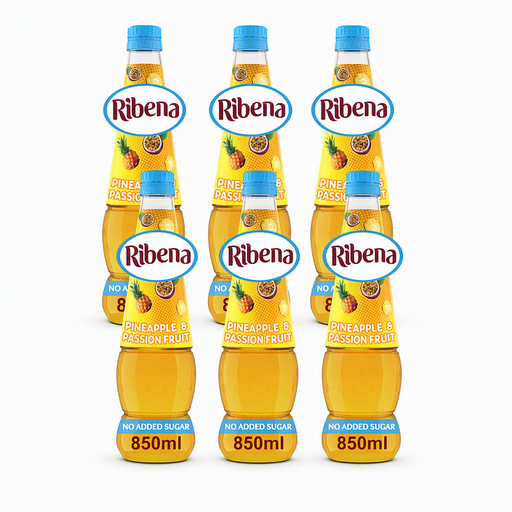
A multi-bottle tropical-flavour option for buffet menu variety. Establish a measured dilution and check nutrition for the prepared drink before comparing it with other squash servings; the stated nutrition is for undiluted concentrate.
The ingredient information lists sweeteners and sulphites. Its opened-bottle instructions specify refrigeration and use within 21 days.
No. A no-added-sugar claim does not mean the finished drink contains no sugars, and the product may contain sweeteners. Read the current nutrition panel and ingredients rather than using the terms interchangeably on a buffet label.
Yes, when the current product label supports that description. The NHS lists no-added-sugar drinks among alternatives to sugary squash; check each product’s prepared-drink sugars and ingredients rather than implying that all varieties have identical nutrition or suit every dietary requirement.
Use the chosen bottle’s dilution instructions and a measured jug, dispenser setting or written recipe. The Tesco Groceries and Waitrose & Partners product listings include both 1:4 and 1:9 recipes; changing the specified ratio changes the concentrate used per glass and the expected yield.
Yes. GOV.UK guidance for England, Wales and Northern Ireland says food businesses must provide allergen information for prepacked and non-prepacked food and drink; Food Standards Scotland states the requirement for Scotland. Keep information for the actual bottle and recipe available to guests and update it when either changes.
No. Reviewed Robinsons, Waitrose Essential and M&S products list sweeteners and sulphites or sulphite compounds; the Waitrose & Partners listing for Ribena Blackcurrant includes aspartame and sodium bisulphite. Check the exact current pack before answering a guest’s ingredient or allergen question.