
24/7 Customer Support

Free returns

Same-day & Next-day Delivery

Quality Guaranteed

Unlock Your Welcome Offers: FREE Delivery | Up to 80% OFF | Free 30-day JoyPlus trial
Download the APP
Buying building block sets can look simple until you compare piece counts, age labels, materials and play features. A colourful box may suggest hours of creative play, yet the set could contain mostly small parts, offer limited building options or be too difficult for the intended recipient.
This guide explains the practical details to check before buying, from magnetic building blocks for younger children to detailed architectural model kits for adult hobby builders.
A larger number of pieces does not automatically mean more enjoyable play. Some sets use many small components to create one display model, while others provide fewer, larger pieces that can be rebuilt into several designs.
Consider what the recipient wants:
Many building toys for children aged 3+ contain small components. The age guidance should be treated as a safety requirement, not simply a recommendation based on difficulty. The Buckingham Palace and Elizabeth Tower sets, for example, state that they are not suitable for children aged 3 and under and recommend adult supervision for children aged 6 and above.
Check the product listing for:
A set intended for an older child or adult should not be passed to a younger child simply because the box looks appealing.
Magnetic building blocks vary in shape, magnet strength, connection style and the number of usable building faces. A 58-piece starter set may suit a first introduction, while a 150-piece collection provides more scope for larger structures.
For magnetic toys, check whether the listing describes securely enclosed magnets, smooth edges and the material used. The supplied product information for several magnetic sets identifies ABS plastic and welded or reinforced construction, but buyers should still read the individual safety information before purchase.
ABS plastic is commonly used in construction toys because it is rigid and suitable for moulded components. However, the material name alone does not tell you everything about the experience. Look for:
For children’s construction toys, do not rely on broad phrases such as “educational” or “child-safe” without checking the detailed product information and warnings.
Piece count is useful when comparing products within the same category, but it should be considered alongside the design. Examples in this range include:
Large sets require more time, space and storage. Measure the intended display area before buying, especially for architectural models and large fantasy builds.
Educational construction toys can support practical skills such as following sequences, hand-eye coordination and spatial planning. STEM building toys may introduce geometry, balance and basic structural thinking through play, but avoid treating these descriptions as guaranteed educational outcomes.
Ask whether the set supports:
A farm-themed magnetic set may suit imaginative play, while a London landmark model may appeal more to collectors and adults interested in British architecture.
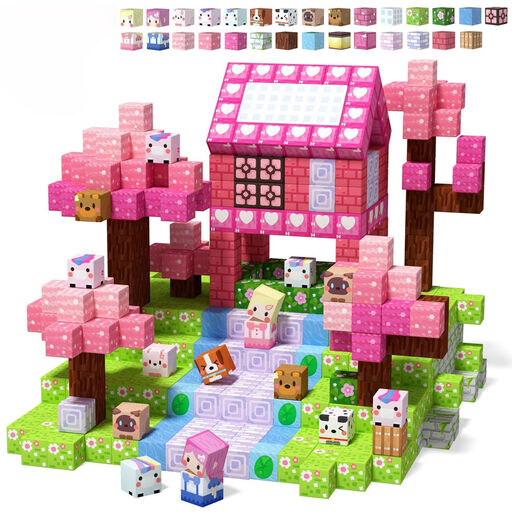
Why This Fits Their Persona: A themed entry point for children aged 3+ who enjoy colourful builds and animal-inspired designs. The 100-piece format offers more material than a very small starter kit without moving into a large display project.
The listing identifies the piece count, ABS material and 29 tree models, helping buyers judge the contents rather than relying only on the theme.
100 pieces; magnetic construction; ABS plastic; suitable for girls from 3 years according to the product title.
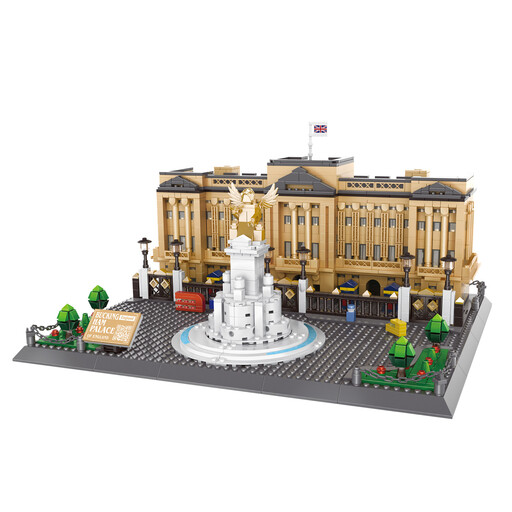
Why This Fits Their Persona: A substantial choice for adult builders, London enthusiasts and collectors who want a recognisable display model rather than a quick children’s activity.
The product information gives a 1,695-piece count, ABS material, gift-box dimensions and specific small-part warnings, making the space and supervision requirements clearer.
Detailed Buckingham Palace theme; 2.57 kg boxed weight; designed for display, family building and hobby use.
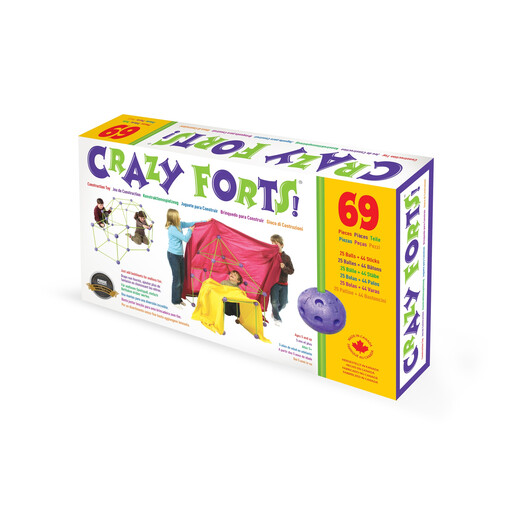
Why This Fits Their Persona: Suitable for children who have floor space for active indoor play and enjoy building structures they can enter, hide in and adapt with a bedsheet.
It is not marketed as a miniature brick model: the listing clearly explains the 69-piece ball-and-stick system and includes warnings about climbing, heat sources and non-breathable coverings.
69 pieces; portable design; no batteries required; suitable for children aged 3+ according to the listing.
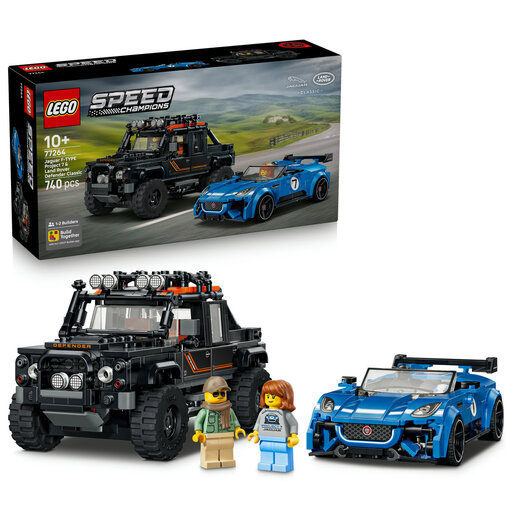
Why This Fits Their Persona: A focused option for fans of British vehicles, older children and adult model builders who want both a construction activity and shelf display.
The listing states the 10+ age guidance, 740-piece count, two vehicles and model dimensions, so buyers can distinguish it from a simple toy car.
Two car models; 740 pieces; two driver minifigures; designed for building, play and display.
Before ordering, compare the product page with your intended use:
For more choices across magnetic building blocks, educational construction toys and creative building kits, browse the wider bricks for kids range.
We have compiled a complete, real-time list of products that fully satisfy these strict selection criteria and UK safety regulations.
Some are, but the age label must be checked for each product. Magnetic tiles and larger-piece construction toys may be designed for children aged 3+, while detailed LEGO sets and architectural models can contain smaller parts and carry higher age guidance. Adult supervision is sensible whenever a child is assembling a complex set.
Use the supplied storage pouch or a compartmented box, keeping specialised pieces separate where possible. Store sets away from damp areas and check the floor after play to prevent lost parts or accidental contact with younger children.
Many standard magnetic tiles, LEGO building sets and architectural model kits do not require batteries. Some feature-led products may include lighting or other interactive elements, so check the individual listing if battery-free play is important.