
24/7 Customer Support

Free returns

Same-day & Next-day Delivery

Quality Guaranteed

Unlock Your Welcome Offers: FREE Delivery | Up to 80% OFF | Free 30-day JoyPlus trial
Download the APP
Choosing suitable building block sets can be more complicated than comparing piece counts. A large box may contain tiny parts unsuitable for younger children, while a low-priced magnetic set may have limited shapes or unclear safety information. Adult hobbyists face different issues: incomplete instructions, fragile connections and finished models that need more display space than expected.
This guide explains the details worth checking before buying, then matches several options to different households and hobbies.
A higher number of pieces does not automatically mean more creative potential. A 1,500-piece architectural model may be designed for one specific build, whereas a smaller magnetic set can support repeated open-ended construction.
Check whether the set includes:
For younger children, the size and simplicity of the pieces often matter more than the total quantity.
Many STEM construction toys mention spatial reasoning, problem-solving or fine motor development. These activities can be part of play, but the actual experience depends on age, patience and whether the child enjoys following instructions.
Magnetic building blocks may offer quick connections and an accessible starting point. Detailed architectural model kits usually require more concentration, sorting and adult help. Select according to the child’s ability and interest rather than relying on a general educational label.
Sets containing small pieces are not suitable for children under three. Magnetic products require additional care: if a magnet becomes detached or is swallowed, it can cause serious injury. Inspect magnetic tiles regularly and stop using any piece with a crack, loose casing or exposed magnet.
For products sold in the UK, look for clear age grading, manufacturer or responsible-person details, safety warnings and relevant conformity information such as CE or UKCA marking, where applicable. These details should be treated as part of the buying decision, not as decorative packaging text.
Always follow the product’s stated age recommendation. Some building toys are labelled for ages 3+, while detailed hobby building blocks may be recommended for ages 6+ or 14+. A younger child may enjoy building alongside an adult, but supervision does not make an unsuitable small-part toy appropriate for independent play.
Read the warnings for:
ABS plastic is widely used in magnetic building blocks and construction toys. Look for smooth or rounded edges, securely enclosed magnets and information about cleaning and inspection. For conventional blocks, tight interlocking can help a finished model remain stable, but very tight connections may be frustrating for younger builders.
Wooden DIY building kits require a different check. Look at the material, whether pieces are pre-cut, whether glue or tools are needed, and how delicate the completed mechanism may be.
A landmark model can be both a building activity and a display piece, but confirm its packaged dimensions and approximate finished footprint before purchasing. Large sets may need a dedicated table during assembly and a cabinet or shelf afterwards.
For family homes, a storage bag, box or container helps prevent missing parts. A compact set may also be more practical for travel, rainy-day activities or visits to grandparents.
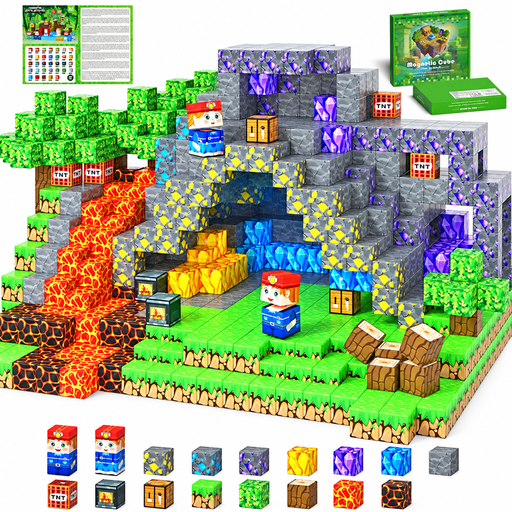
Why This Fits Their Persona: A nature-themed 150-piece option gives families a manageable introduction to magnetic building blocks without immediately committing to a large display model.
The piece count and 3+ positioning are stated clearly, making it easier to compare with other children’s construction toys. Check the current listing for full safety details before purchase.
150 pieces; ABS plastic construction; expandable format for repeat building.
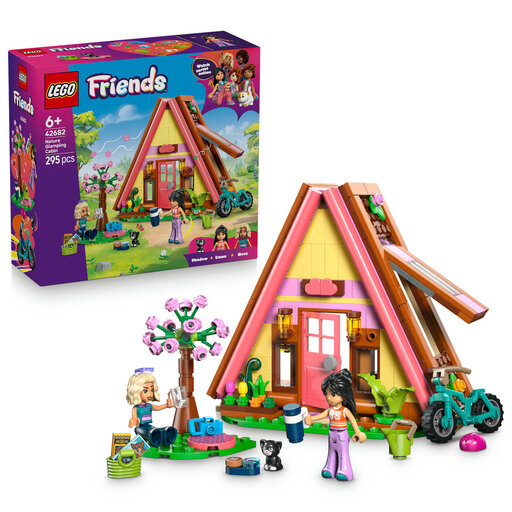
Why This Fits Their Persona: Families wanting a guided build with role-play elements may prefer this 295-piece set, designed for fans aged 6+ and centred on a detailed cabin scene.
The recommended age, piece count and finished dimensions are provided, helping buyers judge suitability and storage needs in advance.
295 pieces; cabin measures over 13 cm high; includes mini-dolls, accessories and digital 3D instructions.
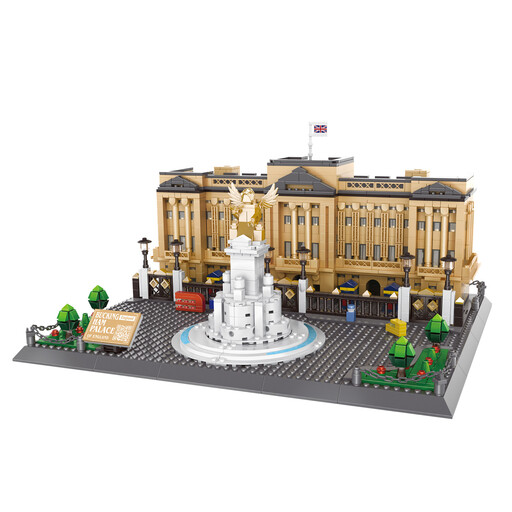
Why This Fits Their Persona: Architecture enthusiasts and families planning a longer shared project may appreciate a large landmark building model with a clear display purpose.
The 1,695-piece count, ABS material and box dimensions are specified, so buyers can plan both assembly time and storage rather than judging by box photography.
Detailed British landmark theme; 2.57 kg boxed weight; intended for display as well as assembly.
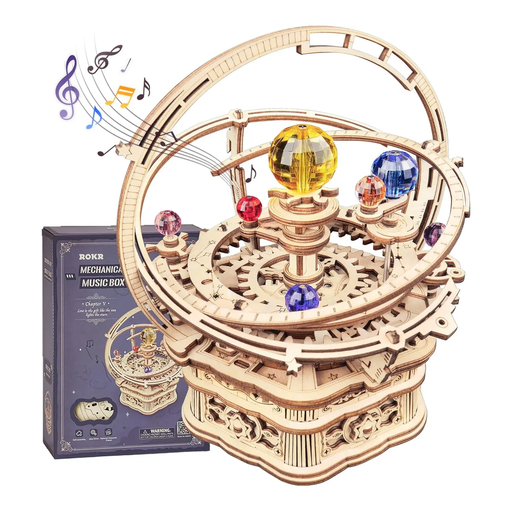
Why This Fits Their Persona: Adult hobbyists seeking a compact small-footprint project for a desk or shelf may prefer a wooden mechanical model rather than children’s construction toys.
It is clearly labelled for ages 14+ and described as a model kit, with maintenance guidance for its manual rotating mechanism.
84 pieces; pre-cut plywood and acrylic; 13.5 × 13.5 × 15.5 cm finished dimensions; no batteries required.
We have compiled a complete, real-time list of products that fully satisfy these strict selection criteria and UK safety regulations.
Some are, but age grading varies by design. Magnetic tiles and larger construction pieces may be labelled 3+, while detailed blocks often contain small parts and are intended for older children. Check the individual warning label and supervise younger builders.
Most magnetic tiles work through manual assembly and require no batteries. They use enclosed magnets to connect pieces. Inspect them regularly for cracks or loose components, and keep damaged tiles away from children.
Sort pieces into labelled containers, follow the cleaning instructions and avoid forcing connections. Keep completed models away from heat, moisture and areas where they may be knocked over. For display models, dust with a soft cloth and retain the original instructions for future repairs or rebuilding.