
24/7 Customer Support

Free returns

Same-day & Next-day Delivery

Quality Guaranteed

Unlock Your Welcome Offers: FREE Delivery | Up to 80% OFF | Free 30-day JoyPlus trial
Download the APP
Choosing building blocks for children can look straightforward until you compare piece counts, age labels, magnetic strength and safety information. A large box is not automatically better value, and a colourful design may not suit the child’s ability or play style.
Parents, grandparents and gift buyers in the UK should watch for three common shopping traps:
The right choice depends on how the child plays, where the set will be used and whether you want open-ended creativity, structured construction or a display model.
For children aged three and over, look for a clearly stated age range rather than relying only on the product title. Small building pieces can present a choking risk, particularly when younger siblings are present.
Sets such as magnetic building blocks may be suitable from age three, but adult supervision remains sensible during first use. More detailed construction toys, including architectural models and large LEGO building sets, often suit older children because they involve smaller components, longer build times and more complex instructions.
Before purchase, check:
Age labels are a starting point, not a substitute for judging the individual child’s coordination, patience and tendency to put objects in their mouth.
ABS plastic is widely used in children’s building toys because it is lightweight and can be moulded into interlocking parts. Smooth, rounded edges are useful for comfortable handling, but they do not remove the need for safety checks.
With magnetic building blocks, inspect whether the magnets are enclosed securely within the tiles. Do not use any piece if it is cracked, split or has a loose magnet. Magnetic toys should be checked regularly, especially after being dropped or pulled apart repeatedly.
For older children and hobby builders, connection accuracy matters more than bright colours. A model building kit with tight-fitting pieces, numbered bags and clear instructions is more likely to remain enjoyable through a longer assembly process.
Piece count should match the intended use:
Consider the finished dimensions as well as the box size. A large model may need a stable table and a safe place to remain undisturbed. A storage pouch, bucket or reusable container can help prevent missing pieces and make tidy-up easier.
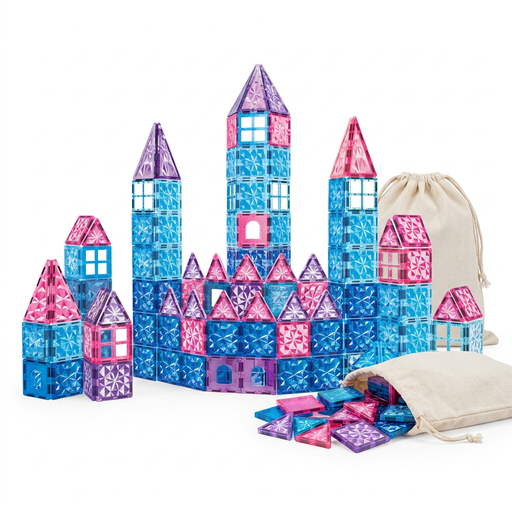
Why This Fits Their Persona: The 58-piece format offers a manageable introduction to magnetic tiles for younger children and is supplied with a storage pouch for trips, visits and compact home storage.
The smaller set size avoids paying for more pieces than a first-time builder can comfortably organise.
58 diamond-surface magnetic tiles; ABS construction; storage pouch included.
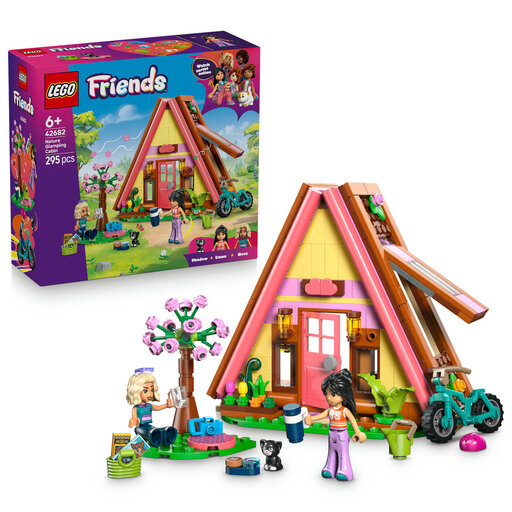
Why This Fits Their Persona: This structured set suits children aged 6+ who enjoy detailed builds followed by imaginative family or independent role play.
The 295-piece set combines guided instructions with a finished play environment, rather than relying on decoration alone.
295 pieces; two mini dolls and a kitten; cabin, kitchen, garden and accessories; digital 3D instructions available through the LEGO Builder app.
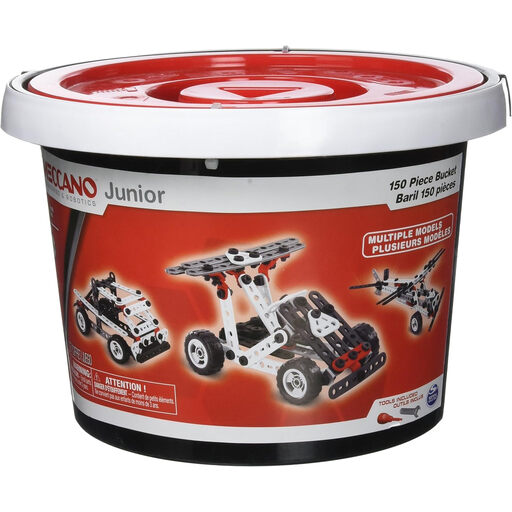
Why This Fits Their Persona: Children aged 5+ who prefer mechanical construction can build, dismantle and redesign using chunky parts and child-sized tools.
It offers more than a one-time build, with parts designed for repeated assembly and open-ended creations.
150 pieces; wrench and screwdriver included; reusable storage bucket; instructions for a car, robot and space shuttle.
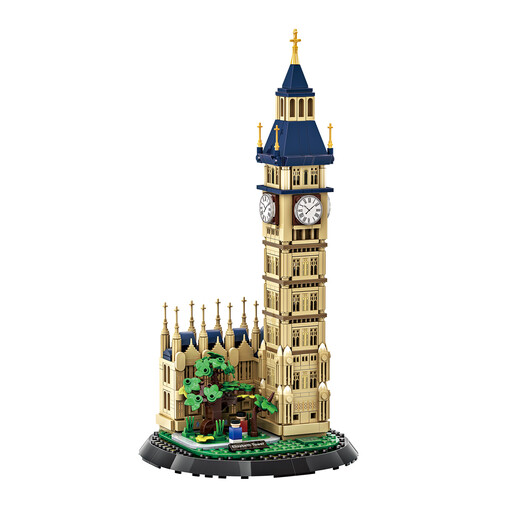
Why This Fits Their Persona: This London landmark model is aimed at older children, adult collectors and builders who enjoy a longer, display-oriented project.
The substantial piece count is matched to a defined architectural subject, making the finished model suitable for display rather than short play sessions.
783 ABS pieces; Elizabeth Tower subject; listed gift-box dimensions of 40 × 25 × 8.7 cm; recommended for assembly from age 6 with adult supervision.
For younger children who enjoy fantasy themes, the 100-piece Magnetic Unicorn Building Block Set includes 29 tree models and is listed for children from age three. A magnetic Ferris wheel set adds an illuminated feature, while farm, nature and snow-ice designs offer alternatives to standard geometric tiles.
For creative building toys without magnets, Crazy Forts uses 69 pieces to create dens and hideaways with a sheet or blanket. It requires clear floor space and careful supervision: children should not climb on the structure, use open flames or cover it with non-breathable material.
Older fans may prefer the LEGO Harry Potter Hogwarts Castle: East Wing, which contains 2,164 pieces and is listed for ages 10+. Architectural collectors can also consider the 1,695-piece Buckingham Palace model. These are substantial model building kits, so check available table space before ordering.
We have compiled a complete, real-time list of products that fully satisfy these strict selection criteria and UK safety regulations.
Some are labelled for ages three and over, but suitability depends on the individual child. Check the product warning, inspect enclosed magnets regularly and keep damaged pieces away from children. Supervise younger users, particularly when siblings under three are nearby.
Choose sets with a bucket, pouch or storage box. Sort unusual pieces separately from standard tiles and keep the set away from areas where it may be mixed with other children’s building toys. A quick count after play can identify missing parts early.
Most magnetic tiles, LEGO building sets and model kits require no batteries. Sets with illuminated features may require batteries, so check the listing for battery requirements before purchasing. For non-electronic construction toys, the main ongoing consideration is replacement pieces and suitable storage.