
24/7 Customer Support

Free returns

Same-day & Next-day Delivery

Quality Guaranteed

Unlock Your Welcome Offers: FREE Delivery | Up to 80% OFF | Free 30-day JoyPlus trial
Download the APP
As a Joybuy Product Recommendation Officer, I often see the same questions from parents, grandparents and gift-givers: with so many building toys on the market, how do you choose one that will actually get played with? It’s easy to be drawn in by a flashy box or a huge piece count, only to find the toy gathers dust after a week.
The world of construction toys is fantastic for developing creativity and problem-solving skills, but not all sets are created equal. Before you buy, it’s worth knowing about a few common pitfalls that can lead to disappointment and wasted money.
To ensure you're getting a safe, durable and engaging toy, focus on these core parameters rather than just the marketing claims.
Always check that a toy complies with UK and EU safety standards, primarily EN 71. This is your assurance that the product has been assessed for safety, including the materials used and its physical structure.
Different building blocks for kids serve different purposes. Matching the type to the child's age and interests is key to longevity.
Instead of a generic list, we've matched some promising options to specific types of builders, helping you find the right fit.
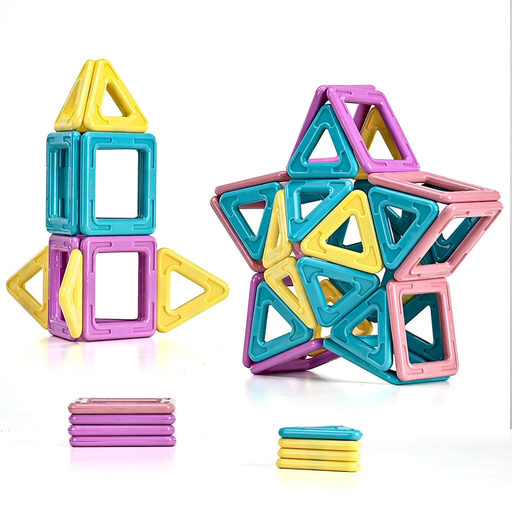
Why This Fits Their Persona: This set is ideal for a child's first foray into magnetic construction. The 50-piece count is substantial enough for creative builds without being overwhelming and the soft pastel colours offer a gentle, aesthetically pleasing alternative to harsh primary shades.
The product description specifies "powerful built-in magnets for stable connections" and "ultrasonic welding technology," directly addressing the weak connection and magnet safety pitfalls. It's made from safe ABS plastic and complies with EN 71.
The open-ended nature encourages creativity, while the strong magnets allow for frustration-free building of both flat patterns and 3D structures. The unique macaron colour scheme is a notable feature.
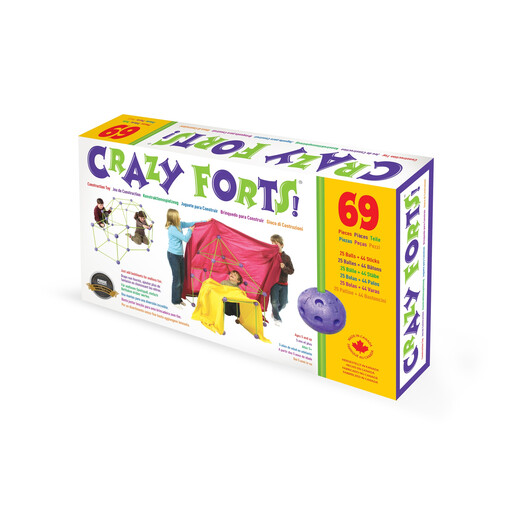
Why This Fits Their Persona: For the child who thinks big, this kit moves construction off the floor and into real, life-sized play. It's perfect for families in the UK who want an engaging indoor activity for rainy days that encourages physical movement and collaborative play.
It sidesteps the "misleading piece count" trap because its 69 pieces are all functional and designed for large-scale building. The play value is immense—a pirate ship one day, a castle the next—powered only by imagination and a bedsheet.
This kit promotes essential STEM skills like visual planning and problem-solving on a large scale. The simple ball-and-stick connection is robust enough for building dens but easy for children to manage.
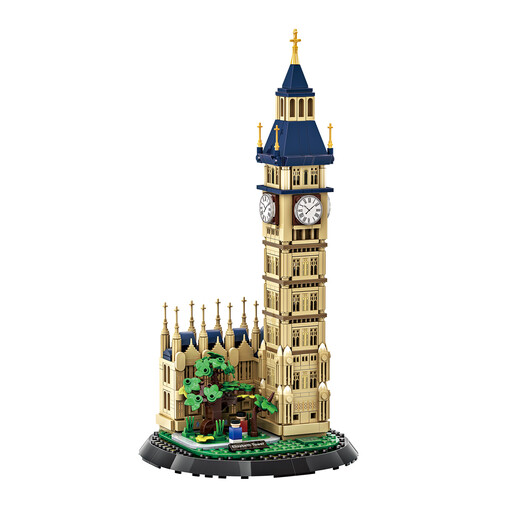
Why This Fits Their Persona: This is an excellent choice for an older child, teen or adult hobbyist in the UK with an interest in architecture and iconic landmarks. It's a focused, goal-oriented project that offers a rewarding challenge and results in a display-worthy piece.
This is a high-piece-count set where every piece matters. The 783 parts are designed for accuracy, not filler. The "high-toughness ABS parts" and "smooth interlocking" promise a quality build experience, avoiding the poor connection trap.
As an architecture model kit, it develops concentration and spatial thinking. The final model is a detailed replica of a beloved British landmark, making it a great gift or personal project for those with a connection to London.
We have compiled a complete, real-time list of products that fully satisfy these strict selection criteria and UK safety regulations.
This is a valid and important concern. Reputable brands making magnetic tiles for the UK market must adhere to EN 71 safety standards. The safest options are made from durable, non-toxic ABS plastic and feature ultrasonically welded seams. This process seals the magnets securely inside the tile, preventing them from becoming loose. However, it is always recommended that children under 3 are supervised during play and you should regularly inspect the tiles for any signs of cracking or damage.
It depends on the child's age and the skills you want to encourage.
STEM stands for Science, Technology, Engineering, and Mathematics. STEM toys are designed to help children develop skills in these areas through play. Building toys are one of the original and most effective types of STEM toys. They naturally teach: