
24/7 Customer Support

Free returns

Same-day & Next-day Delivery

Quality Guaranteed

Unlock Your Welcome Offers: FREE Delivery | Up to 80% OFF | Free 30-day JoyPlus trial
Download the APP
Choosing a new built-in electric oven can feel like a significant commitment. It’s the centrepiece of your kitchen, an appliance you’ll rely on daily for years to come. Yet, the market is filled with confusing jargon, features that sound impressive but offer little practical value and designs that look sleek but fail in daily use. Many homeowners find themselves disappointed, having spent a considerable amount on an oven that doesn't meet their needs.
As the Joybuy Product Recommendation Officer, my role is to help you navigate this landscape. We've analysed common purchasing mistakes to identify the key pitfalls that UK buyers face. Before you invest, be aware of these frequent traps:
To make a sound choice, focus on the core specifications that directly impact performance, convenience and longevity. Here are the non-negotiable factors to consider.
The first decision is how the oven will fit into your kitchen layout. All integrated oven models are designed to a standard width to fit cabinetry, but their height and configuration vary significantly.
This is one of the most misunderstood features. True self-cleaning systems save hours of effort and are a worthwhile investment for many.
How an oven circulates heat is fundamental to its performance.
We've matched some standout models to different user needs, helping you find an oven that not only performs well but also avoids the common purchasing traps.
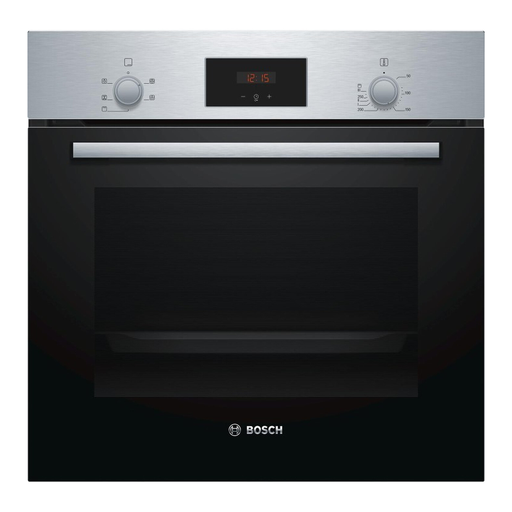
Why This Fits Their Persona: This user prioritises reliability, efficiency and proven performance over unnecessary extras. They want a durable appliance for a new kitchen that will work flawlessly for years. This Bosch oven delivers exactly that.
It avoids the "smart feature surcharge" by focusing on core cooking technology. You are investing in Bosch's 3D Hotair system for even cooking, not app functions you may never use.
3D Hotair: Provides exceptionally even heat distribution on up to three levels. GranitEnamel Interior: A smooth, durable coating that is easier to clean than standard enamel.
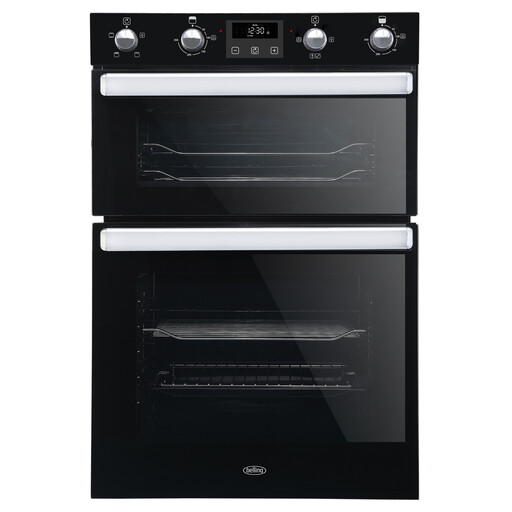
Why This Fits Their Persona: Juggling a Sunday roast, dessert and sides requires flexibility and capacity. This user needs an oven that can handle multiple dishes at once and doesn't create a huge cleaning job afterwards.
It sidesteps the "easy-clean" illusion by offering genuine catalytic liners in the main oven, which actively help break down grease during cooking. The generous 72L + 38L cavities provide true usable space.
Dual Oven Flexibility: A 72L main fan oven and a 38L top conventional oven/grill. Catalytic Liners: Reduces cleaning effort in the most-used cavity.
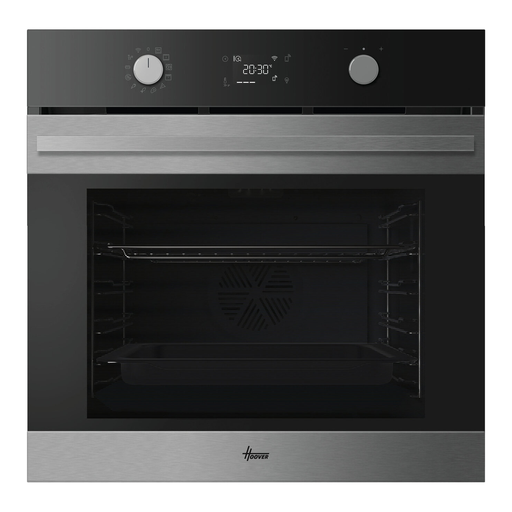
Why This Fits Their Persona: This cook loves precision, convenience and the latest technology that adds real value. They want the ultimate in cleaning convenience and appreciate the ability to control their appliance remotely.
It offers the most effective pyrolytic self-cleaning system, completely avoiding the "easy-clean" myth. Its smart features via the hOn app are genuinely useful for pre-heating and recipe guidance, justifying the technology.
Pyrolytic Cleaning: Incinerates grease to ash for a wipe-clean finish. Wi-Fi Connectivity: Remote control and access to recipes via the hOn app.
We have compiled a complete, real-time list of products that fully satisfy these strict selection criteria and UK safety regulations.
The pyrolytic cycle itself is energy-intensive because it heats the oven to extremely high temperatures. However, this cycle is typically only run every few months. For daily cooking, these ovens are very well insulated to handle the high temperatures, which often makes them more efficient (many have an A+ energy rating). Your overall energy bill is more influenced by the oven's day-to-day energy rating than the occasional cleaning cycle.
The key difference is their height and where they are installed. A built-in double oven is tall (around 88-90cm) and designed to be installed at eye level within a tall kitchen cabinet. A built-under double oven is shorter (around 72cm) and is specifically designed to fit in the space below a standard kitchen worktop.
With proper care and maintenance, a quality built-in electric oven from a reputable brand should last between 10 and 15 years. Lifespan can be affected by frequency of use, how well it is cleaned and whether any minor issues are repaired promptly. Investing in a model with a robust build and good warranty support can contribute to its longevity.