
24/7 Customer Support

Free returns

Same-day & Next-day Delivery

Quality Guaranteed

Unlock Your Welcome Offers: FREE Delivery | Up to 80% OFF | Free 30-day JoyPlus trial
Download the APP
Replacing an oven can become expensive when attractive features hide inconvenient specifications. A model may look suitable online but fail to fit the housing, lack the power connection your kitchen requires, or offer a cleaning system that does not match your cooking habits.
This guide from the Joybuy Product Recommendation Officer focuses on the details that matter when comparing built-in electric ovens, including capacity, installation type, cooking functions, energy ratings and cleaning systems.
A built-in oven is usually installed in a tall housing unit, often at eye level. A built-under oven sits beneath the worktop and has different height and ventilation requirements. A double oven designed for a tall cabinet cannot simply replace a built-under model.
Before ordering, measure the housing cut-out, not just the existing appliance. Check the height, width, depth, ventilation gaps and door clearance against the manufacturer’s installation instructions.
A 70-litre oven may suit family cooking, but capacity alone does not tell you how usable the cavity is. Shelf positions, tray dimensions and the arrangement of heating elements also affect whether you can cook multiple dishes comfortably.
For comparison, single electric ovens in this selection range from 56 to 78 litres. Double electric ovens provide separate cavities, allowing different temperatures or cooking modes at the same time, but they require a taller housing space.
Pyrolytic ovens heat the cavity to a very high temperature to turn residue into ash. You normally need to remove shelves and accessories before starting the cycle, and the kitchen should be ventilated.
Steam-clean ovens soften grease and food deposits with water. They generally use a shorter, lower-temperature cycle, but you still need to wipe the cavity afterwards. Catalytic liners absorb and break down grease during cooking, although they do not replace cleaning the door glass, oven floor or removable accessories.
Most 60cm built-in ovens are approximately 595mm high and 595mm wide, but the required niche can vary. Some models are hardwired and require installation by a qualified electrician; others may use a 13-amp supply in accordance with the manufacturer’s instructions.
Check:
For example, the Bosch HQA574BS3B and several Belling double ovens specify a hardwired connection. By contrast, the Simfer FO60W lists a 13-amp plug connection. Always follow the supplied installation documentation rather than relying on the connection used by your old oven.
A fan oven circulates heated air, which can support more even cooking across shelves. A multifunction oven adds modes such as conventional heat, fan-assisted cooking, grilling, defrosting, pizza settings or bottom heat.
Count the functions, but also consider whether you will use them. For regular baking and roasting, fan cooking, conventional heat and a grill may be sufficient. Families cooking several dishes at once may benefit from two cavities or multiple shelf positions.
Many current models in this selection are A-rated ovens, while some are A+ or A++. The rating is useful for comparing energy efficiency, but actual electricity use depends on temperature, cooking duration, cavity size and how often the oven is used.
An energy-efficient oven may be worth considering for frequent cooking, but do not choose a model based on the rating alone. A larger cavity, extra functions or a high-temperature pyrolytic cycle may affect consumption during particular uses.
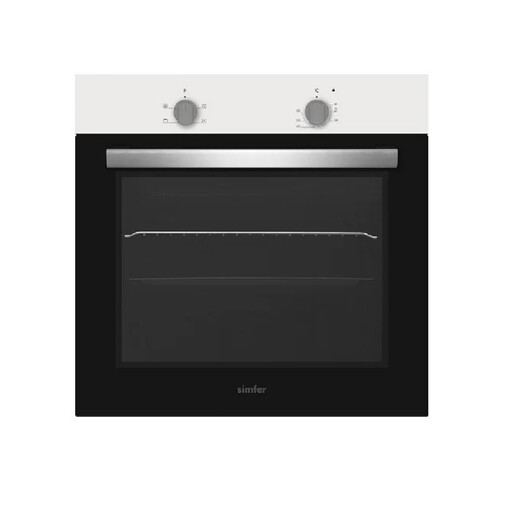
Why This Fits Their Persona: A straightforward option for tenants, first-time homeowners and smaller households seeking a white 60cm single oven for everyday meals.
Its listed 62-litre capacity, four shelf positions and A rating provide clear, practical specifications without relying on inflated capacity claims.
62-litre fan-assisted cavity, integrated grill, easy-clean enamel and double-glazed door.
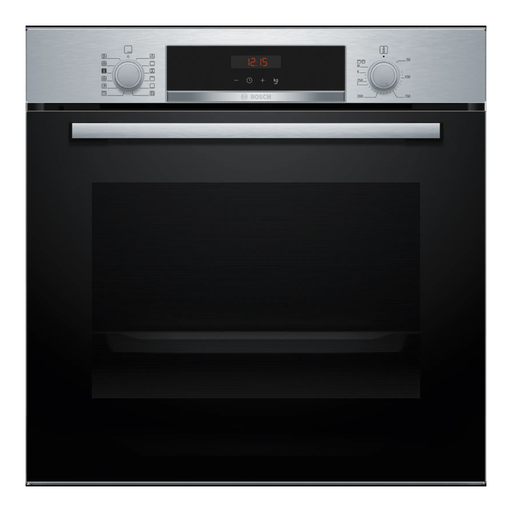
Why This Fits Their Persona: Suitable for kitchen renovators who want a stainless steel single oven with pyrolytic cleaning, steam-assisted cooking and automatic programmes.
The cleaning method is clearly specified as pyrolytic, with a 71-litre capacity and hardwired installation stated for checking before purchase.
Pyrolytic cleaning, 3D Hotair, added steam function and AutoPilot 10 programmes.

Why This Fits Their Persona: Designed for families and hosts who regularly cook separate dishes, batch bake or use a main oven and grill at the same time.
It separates the main 72-litre multifunction cavity from the 38-litre conventional oven and grill, making the dual-cavity arrangement clear.
Nine main-oven settings, catalytic liners, soft-close doors and a programmable digital timer.
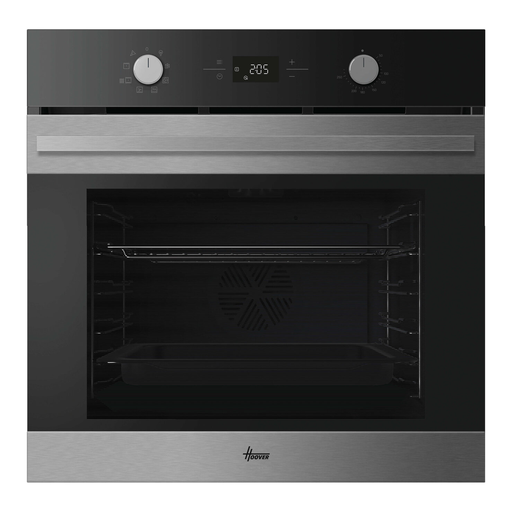
Why This Fits Their Persona: A practical match for households interested in app connectivity, remote preheating and a large single cavity for family cooking.
The listing identifies Wi-Fi and Bluetooth connectivity, a 70-litre cavity and catalytic cleaning, so buyers can compare functions with their actual routine.
A+ rating, nine cooking functions, soft-close door and hOn app compatibility.
We have compiled a complete, real-time list of products that fully satisfy these strict selection criteria and UK safety regulations.
Many single electric ovens are designed around a 60cm-wide housing, with appliance dimensions commonly close to 595mm wide and high. However, the exact niche varies. Measure the cabinet opening and check the model’s installation diagram before ordering.
A pyrolytic cycle uses high heat and may consume more electricity than ordinary cooking or steam cleaning. Its value depends on how often you use it and how much manual cleaning you want to avoid. Remove accessories when instructed and ventilate the room during the cycle.
Lifespan depends on usage, cleaning, installation and maintenance. Avoid abrasive products, keep vents clear, use suitable cookware and follow the manufacturer’s electrical and cleaning instructions. Check the warranty terms carefully, particularly where registration is required or parts and labour are covered differently.