
24/7 Customer Support

Free returns

Same-day & Next-day Delivery

Quality Guaranteed

Unlock Your Welcome Offers: FREE Delivery | Up to 80% OFF | Free 30-day JoyPlus trial
Download the APP
Replacing an oven is rarely as simple as choosing a finish. The wrong built-in electric oven can leave you with an awkward fit, limited cooking space or cleaning features that do not match your routine. Before comparing prices, look past the headline features and check the details that affect everyday use.
Many integrated electric ovens are described as 60cm built-in ovens, but the appliance width and cabinet cut-out can vary slightly. A standard model is typically around 595mm wide, while the required housing opening may be approximately 560mm wide and 590mm high. Always compare the manufacturer’s installation dimensions with your existing cabinet.
Also confirm whether you need a single built-in oven, a built-under double oven or another installation type. A built-under double oven is designed for a lower cabinet position and may not suit an eye-level housing unit.
A catalytic liner helps absorb and break down grease during normal heating, but it does not remove every spill. A steam-clean oven softens residue so it can be wiped away after the cycle. A pyrolytic self-cleaning oven heats the cavity to a high temperature, turning suitable residue into ash, but shelves and certain accessories may need to be removed first.
Check the cleaning instructions rather than assuming that “self-cleaning” means no manual care.
A smart built-in oven may offer Wi-Fi, recipe access and remote control, but these functions require a compatible phone, app and reliable connection. Similarly, a multifunction electric oven with numerous programmes is useful for varied cooking, but a household that mainly uses fan baking and grilling may not benefit from paying for every available mode.
Measure the height, width and depth of the cabinet opening, not just the old appliance. Check ventilation clearances and whether the oven is supplied with a plug or requires hardwiring. Several larger built-in electric ovens have a connected load around 2.8kW to 3.3kW, so installation should follow the manual and UK wiring requirements. Where hardwiring is specified, use a qualified electrician.
Look for a clear installation diagram, suitable earthing and unobstructed ventilation. Do not rely on an appliance fitting simply because both products are labelled 60cm.
Capacity is measured in litres, but internal shelf positions and cavity shape also matter. Models around 56–66 litres can suit everyday family cooking, while 70–78-litre cavities provide more room for large dishes or batch baking.
A fan oven circulates heated air around the cavity, which can support more even cooking across several shelves. However, follow the recipe guidance for temperature adjustments and check whether the model has dedicated multi-level cooking technology.
If you often prepare a roast and side dishes at the same time, a built-under double oven can be more practical than a large single cavity. It provides separate cooking areas, although the lower cavity may have less usable space.
An A-rated electric oven is common among current models, while selected appliances carry an A+ rating under the stated energy classification. The rating is useful for comparing efficiency, but actual running cost also depends on cooking temperature, duration and frequency.
Double- or triple-glazed doors can improve insulation and reduce the external surface temperature. Look for removable inner glass if easy access matters. Cleaning systems, telescopic runners, interior lighting and a programmable timer are practical features that may have more day-to-day value than decorative controls.
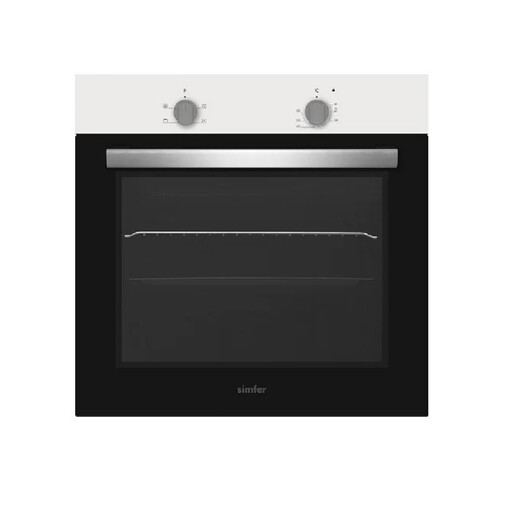
Why This Fits Their Persona: A straightforward option for tenants or first-time kitchen upgraders who want a white single fan oven with standard built-in dimensions and simple controls.
It states four cooking functions, 62-litre capacity and an A rating clearly, without relying on unnecessary connected features.
Fan-assisted cooking, integrated grill, easy-clean enamel and a double-glazed door.
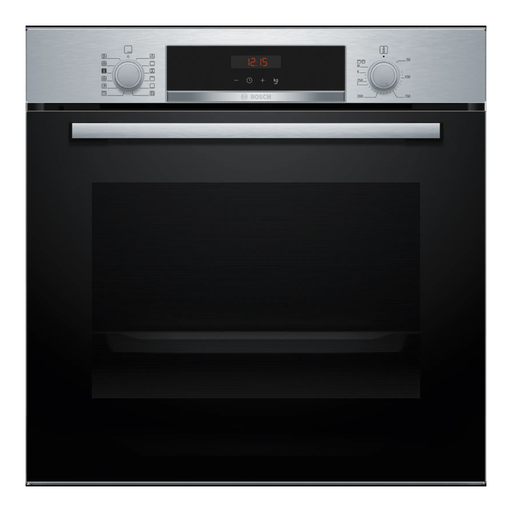
Why This Fits Their Persona: Suitable for home cooks who want a stainless steel finish, broader cooking control and a high-temperature cleaning programme.
The pyrolytic process is specified alongside removable accessories and ventilation precautions, making the maintenance commitment clearer.
71-litre capacity, 3D Hotair, added steam function and 10 automatic programmes.
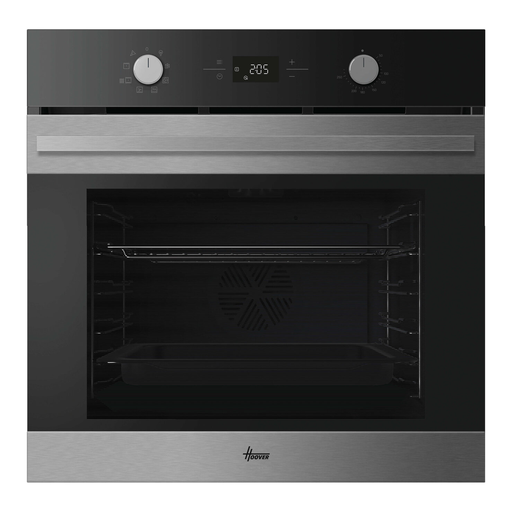
Why This Fits Their Persona: Designed for busy families and cooks who need a larger cavity, recipe support and app connectivity for meal planning.
Its 70-litre capacity and stated installation cut-out make space claims easier to compare, while catalytic liners provide a defined cleaning method.
A+ rating, Wi-Fi and Bluetooth connectivity, Pizza function, catalytic liners and telescopic runners.
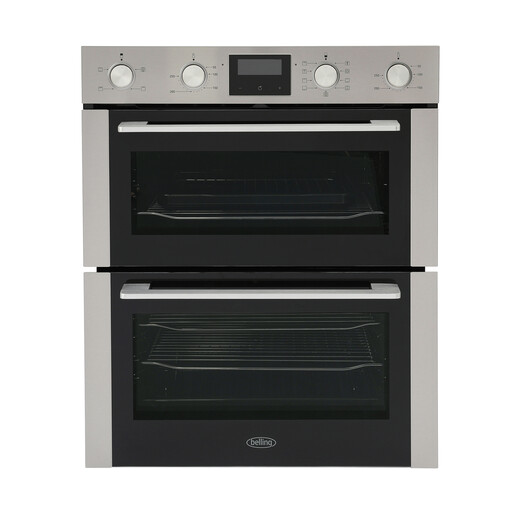
Why This Fits Their Persona: A practical fit for households that regularly cook separate dishes at different temperatures or need a second grill cavity.
The two cavity capacities are stated separately: a 54-litre multifunction main oven and a 38-litre conventional top oven.
Separate ovens, catalytic liners in both cavities, programmable timer and double-glazed doors.
We have compiled a complete, real-time list of products that fully satisfy these strict selection criteria and UK safety regulations.
Some models connect to a standard UK supply, while others require hardwiring because of their connected load. Check the product manual and installation information. Where hardwiring or cabinet modification is required, use a qualified electrician and ensure ventilation clearances are maintained.
Service life depends on usage, installation, cleaning and component wear. Regularly removing grease, avoiding abrasive cleaners and keeping vents clear can help maintain the appliance. Review the warranty terms, registration conditions and availability of replacement parts before purchasing.
An A+ rated oven is classified as more efficient under the relevant energy-label system, but household savings depend on how often and how long you cook. Compare capacity, cooking habits and programme use alongside the rating rather than treating the label as a guaranteed bill reduction.