
24/7 Customer Support

Free returns

Same-day & Next-day Delivery

Quality Guaranteed

Unlock Your Welcome Offers: FREE Delivery | Up to 80% OFF | Free 30-day JoyPlus trial
Download the APP
Replacing an oven can look straightforward until the appliance arrives and does not fit the cabinet, lacks the right cooking function or costs more to run than expected. A built-in electric single oven needs to work with your kitchen dimensions, electrical supply and cooking habits—not just match the finish of your other appliances.
This guide explains the key specifications to check and highlights suitable options for different UK households.
A 60cm built-in oven generally fits a standard housing unit, but the external dimensions and required cut-out can vary. For example, some models measure approximately 595mm high and 595mm wide, while their installation opening may require different clearances around the sides, top, rear and base.
Always compare:
A qualified installer should complete the electrical connection according to the manufacturer’s instructions and applicable UK requirements.
A smart oven may offer Wi-Fi, Bluetooth, app-based recipes, remote preheating or cooking notifications. These features can be useful if you regularly plan meals remotely, but app compatibility does not always mean full remote control. Check whether the model supports monitoring, preheating, programme changes or recipes only.
For straightforward daily cooking, rotary controls and a reliable timer may be more useful than a connected interface.
Smooth enamel, catalytic liners and steam-clean programmes reduce cleaning effort, but they do not work in the same way as a pyrolytic oven.
A pyrolytic cycle can be convenient, but it uses additional energy and requires you to remove accessories and follow the safety instructions carefully.
A standard single electric oven can range from around 56 litres to more than 70 litres. Capacity affects how easily you can cook a large roast, several trays of biscuits or multiple dishes for a family meal.
As a practical guide:
Also check the number of shelf levels, included trays and whether telescopic runners are supplied.
A multifunction electric oven usually combines conventional heat, fan-assisted cooking, grill and defrost settings. A fan oven circulates heated air around the cavity, which can support more even cooking across different shelf positions.
Useful functions may include:
Do not judge the oven by the number of programmes alone. Confirm that the functions you actually use are listed in the specification.
The supplied models include A-rated ovens and A+ rated ovens. The rating provides a standardised indication of appliance energy efficiency, but actual electricity use depends on temperature, cooking duration, preheating and cleaning cycles.
Check the connected load before purchase. Some built-in ovens require a dedicated hardwired connection, while others may be compatible with a specified 13A supply. Do not use an extension lead or unsuitable adaptor. Ask a qualified electrician to confirm compatibility with your kitchen’s supply.
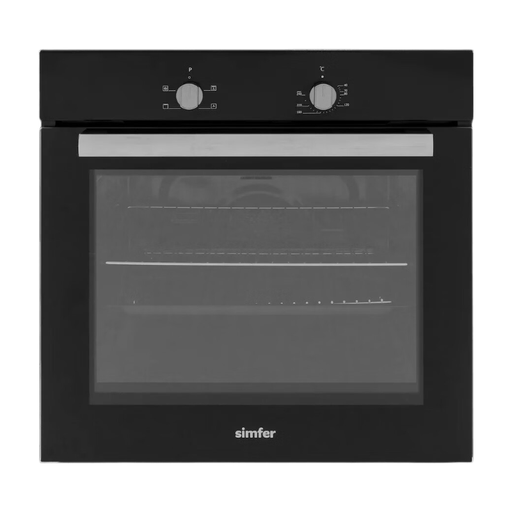
Why This Fits Their Persona: A practical choice for a first replacement oven, rented property or straightforward kitchen refresh, with a black finish and standard-width installation dimensions.
Its listed 56-litre capacity, four functions, integrated 2000W grill and A energy rating make the specification easy to assess without paying for unnecessary connected features.
Turbo fan cooking, double-glazed drop-down door, wire shelf and grill pan set, plus a one-year manufacturer’s warranty.
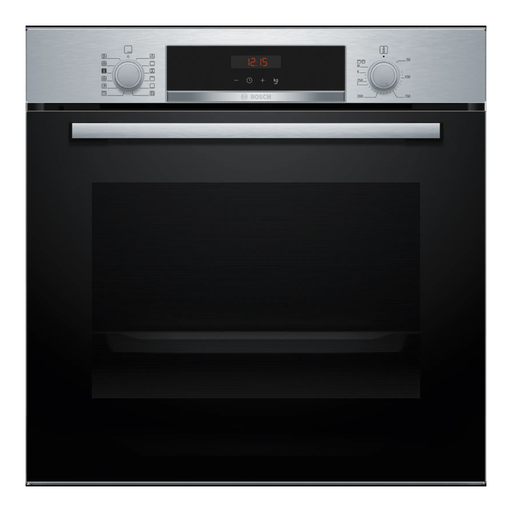
Why This Fits Their Persona: Suits home cooks who want a stainless steel built-in oven with expanded cooking control and a reduced manual-cleaning routine.
The specification clearly identifies pyrolytic cleaning, rather than describing only an easy-clean enamel surface.
71-litre capacity, 3D Hotair, Hotair Steam, AutoPilot 10 programmes and an A energy rating.
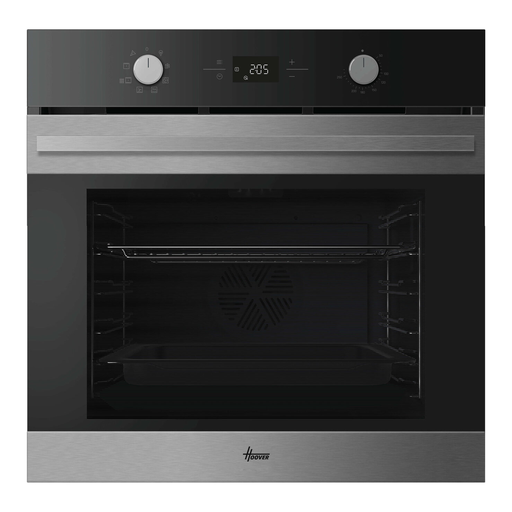
Why This Fits Their Persona: Its large cavity and multiple functions suit busy families, regular entertainers and shoppers who want app-connected meal planning.
The listing specifies Wi-Fi and Bluetooth connectivity, a 78-litre capacity and nine cooking functions, making the smart and size claims more transparent.
A+ rating, five shelf levels, Hydro Easy Clean steam cleaning, soft-close door and telescopic runners.
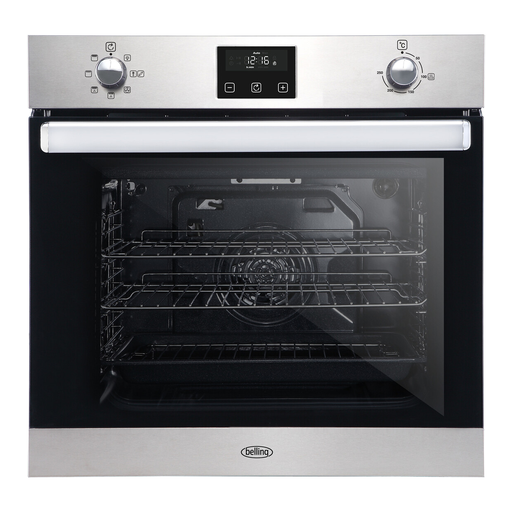
Why This Fits Their Persona: A balanced option for households wanting a familiar control layout, fanned cooking and flexible functions without app dependence.
Catalytic liners are identified on the sides and rear, while the programmable timer and listed functions clarify what is included.
Fanned multifunction cooking, grill, dough proving, slow cook, double glazing and an A energy rating.
Before ordering, measure the existing housing rather than relying only on the appliance width. Check whether the replacement is intended for under-counter or eye-level installation and confirm door clearance.
For running costs, compare the energy rating alongside the oven’s cooking capacity and your usage pattern. An A+ rated oven may have a higher purchase price, but the practical difference depends on how often you cook and use high-temperature programmes such as pyrolytic cleaning.
Keep the cavity clean, avoid unnecessary preheating and switch the oven off shortly before the end of cooking where appropriate. Always follow the instruction manual.
We have compiled a complete, real-time list of products that fully satisfy these strict selection criteria and UK safety regulations.
Some models require hardwiring to a dedicated circuit because of their connected load, while others may be suitable for a specified 13A supply. Check the product specification and installation manual. A qualified electrician should confirm the correct connection.
Lifespan depends on build quality, frequency of use, maintenance and installation. Keeping the cavity, door seals and ventilation areas clean can help maintain performance. Check the included warranty carefully, including whether parts, labour or registration conditions apply.
Not necessarily. Pyrolytic cleaning uses a high-temperature cycle and therefore consumes additional electricity during cleaning. It may reduce manual cleaning time, but running costs depend on how frequently the cycle is used, the oven’s energy rating and everyday cooking habits.