
24/7 Customer Support

Free returns

Same-day & Next-day Delivery

Quality Guaranteed

Unlock Your Welcome Offers: FREE Delivery | Up to 80% OFF | Free 30-day JoyPlus trial
Download the APP
Choosing a new built-in oven is a significant decision for any UK kitchen renovation or appliance upgrade. It’s the centrepiece of your culinary space, and the market is saturated with models boasting impressive features. However, navigating the marketing claims can be challenging. Many homeowners find themselves paying a premium for functions they don't need or, worse, discovering a design flaw after installation.
As a Joybuy Product Recommendation Officer, my role is to help you sidestep these common issues. Before you commit, let’s look at three frequent pitfalls that can lead to buyer's remorse.
To make an informed choice, focus on the core specifications that directly impact performance and usability. Here are the non-negotiable factors to consider.
The first major decision is the oven's format. This choice depends on your cooking habits and available kitchen space.
Even heat distribution is crucial for good results. While most modern ovens have a fan, their capabilities vary.
With energy costs being a key consideration for UK households, an oven's efficiency rating is more important than ever. Ovens are rated from A+++ down to G. Choosing an A or A+ rated model ensures lower running costs over the appliance's lifespan, making it a financially sound choice in the long run.
To help you match an oven to your needs, we've identified several models that stand out for their practical features and ability to solve common user problems.
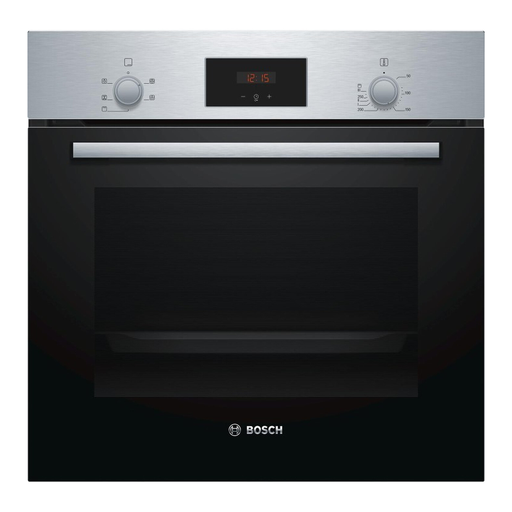
Why This Fits Their Persona: This oven is for the household that needs reliability and performance without unnecessary frills. It's perfect for Sunday roasts, batch baking for school lunches and everyday family meals, focusing on core cooking excellence.
It sidesteps the smart feature trap by focusing investment on its 3D Hotair system, a tangible benefit for cooking. The GranitEnamel interior is honestly presented as easy-to-clean, not an automated function.
Excellent heat distribution allows for simultaneous cooking on three levels without flavour transfer. It offers a generous 66-litre capacity in a standard 60cm oven frame.
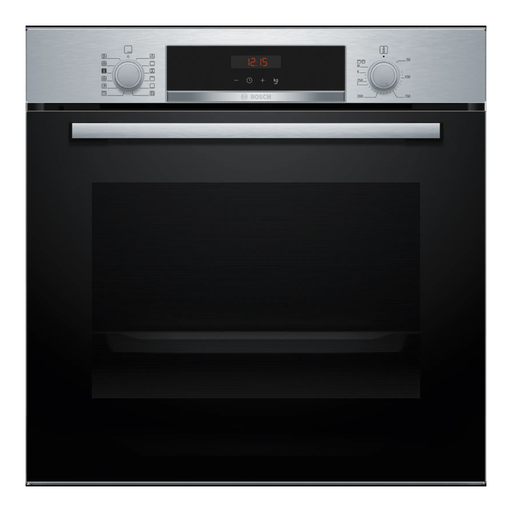
Why This Fits Their Persona: For the homeowner who despises cleaning and is willing to invest in a feature that genuinely eliminates the chore. This user values their time and wants a high-performing oven that practically maintains itself.
It completely avoids the "self-cleaning" misconception by offering true pyrolytic self-cleaning. There is no ambiguity; this function heats the oven to high temperatures to turn grease into ash, delivering on its promise.
The primary benefit is the time and effort saved on cleaning. It also includes advanced cooking features like an Added Steam function for better baking and roasting results.
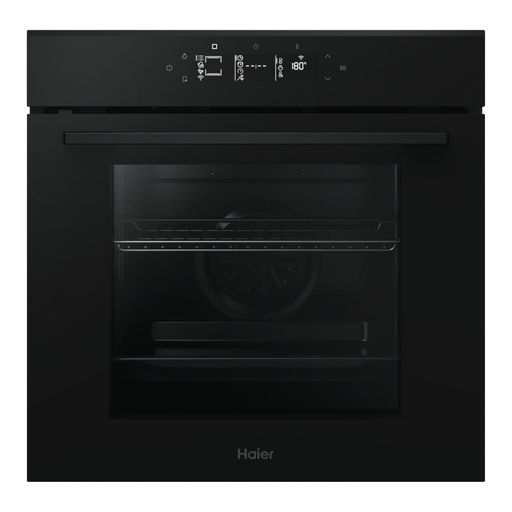
Why This Fits Their Persona: This user embraces technology to enhance their lifestyle. They want an oven that not only cooks well but also integrates into their connected home, offering remote control and guided cooking for hosting dinner parties.
This model justifies its "smart" label with a genuinely useful app (hOn) that provides over 350 recipes and real-time advice. It's more than a gimmick, acting as a personal kitchen assistant for those who will use it.
Deep smart integration via the hOn app, plus modern cooking functions like an Air Fry mode for healthier crisping. The hydrolytic steam cleaning is an eco-friendly maintenance feature.
We have compiled a complete, real-time list of products that fully satisfy these strict selection criteria and UK safety regulations.
Yes, all built-in ovens require a dedicated housing unit. The vast majority are designed to fit a standard 60cm wide kitchen cabinet, either installed under a worktop or within a tall larder-style unit. It is vital to check the manufacturer's specified dimensions for height, width and depth, and to ensure the cabinet provides adequate ventilation at the rear to prevent overheating.
This is a common concern for UK households watching their energy usage. A pyrolytic cycle does use a high amount of electricity to reach its peak temperature, but only for a relatively short period (typically 2-3 hours). The cost per cycle usually falls between ?1 and ?2, depending on your electricity tariff. When you compare this to the ongoing cost of specialised chemical oven cleaners and the time spent scrubbing, many find it to be a worthwhile expense.
A quality built-in oven is a long-term investment. With proper care and maintenance, you can expect a model from a reputable brand to last between 10 and 15 years. This makes the initial choice all the more important, as selecting an oven with the right features, capacity and energy efficiency will pay dividends for over a decade.