Family bakers focused on the tart
If the chocolate tart is your main bake, compare the oven’s conventional and fan-cooking modes with your recipe before giving priority to extra features.


For one chocolate tart and routine family cooking, start with a built-in single oven that fits your cabinet and offers the cooking mode your recipe calls for. Consider a double oven if you regularly need the tart and another dish at different temperatures at the same time; steam assistance is an optional feature for other baking, not a requirement for the tart. Check the exact model’s installation dimensions, electrical requirements and cleaning method before choosing.
If the chocolate tart is your main bake, compare the oven’s conventional and fan-cooking modes with your recipe before giving priority to extra features.
If dessert must cook alongside the rest of the meal, decide whether the dishes need different temperatures. Separate cavities address that need; a multi-level single oven still has one temperature-controlled cavity.
If the oven will see regular baking and family meals, compare its specific cleaning method. Water-assisted cleaning, coated surfaces and pyrolytic programmes call for different routines.
Decide whether the meal needs one cooking temperature or two at once, then check the tart-baking modes, cabinet fit and cleaning routine on the exact model.
Choose it when: One cavity can accommodate your tart and the rest of your cooking plan.
Trade-off: Even a model designed for multi-level cooking cannot give two dishes independently controlled oven temperatures.
Choose it when: The tart and another dish regularly need different temperatures at the same time.
Trade-off: Its taller housing requirement must suit your kitchen; two cavities add little to a meal you can cook in one.
| Concern | What to check | Who this matters to |
|---|---|---|
| Tart-baking modes | Check for the conventional or fan mode specified by your recipe, and confirm the timer and usable shelf positions. | I want to follow my chocolate tart recipe without guessing which heating mode to use. Roughly 33% of consumers would put dependable tart baking first. |
| Cooking space | Decide whether dishes need separate temperatures; check cavity and shelf space against the tins and trays you intend to use. | If dessert and a savoury dish need different temperatures at once, I need two cooking zones rather than just more shelf levels. Around 27% of consumers would make simultaneous meal preparation their primary concern. |
| Clean-up | Identify whether the model uses water-assisted cleaning, a coated surface or a pyrolytic programme, and read its instructions. | After hosting, I want to know what cleaning the oven will actually require. About 20% of consumers would prioritise the clean-up routine. |
| Fit and connection | Compare the installation drawing with your cabinet opening, and have the model’s electrical requirements assessed; inspect its energy documentation. | Before choosing cooking extras, I need to know the oven can be installed in my kitchen. Roughly 20% of consumers would put fit and installation first. |
An oven’s exterior dimensions and its required installation opening are different measurements. The AEG GA5PB50FAB documentation, for example, gives separate appliance and built-in dimensions.
Measure the available opening and compare it with the installation drawing for the exact model before ordering.
A mismatch may mean altering the cabinet or changing the installation plan.
Some built-in ovens have no plug and require an electrician to make the connection. Electrical Safety First advises assessing an oven’s power requirements and having it fitted by a qualified electrician.
Show a qualified electrician the exact model’s electrical specification while you are assessing the installation.
The connection may require electrical work beyond placing the appliance in its housing.
Capacity alone does not tell you whether your tart tin and another dish will fit on the available shelves together.
Measure the tin and check cavity dimensions, shelf positions and included accessories for the model you are considering.
An energy class does not describe how you will use the oven’s cooking modes or whether its cavity suits your meal.
Read the exact model’s energy label and product information sheet alongside its cooking functions and cavity details.
Relevant when comparing standard built-in single ovens with models offering added steam.
Relevant when multi-level cooking or separate oven cavities would change how you prepare a gathering meal.
Relevant when comparing conventional and fan cooking with optional SteamBake and different cleaning systems.
Relevant when considering a single fan oven with the brand’s AeroPerfect airflow design.
These built-in single and double ovens offer two ways to plan the family meal: use one cavity when the cooking schedule allows it, or consider separate cavities when dishes need different temperatures. Check each model’s installation instructions before deciding.
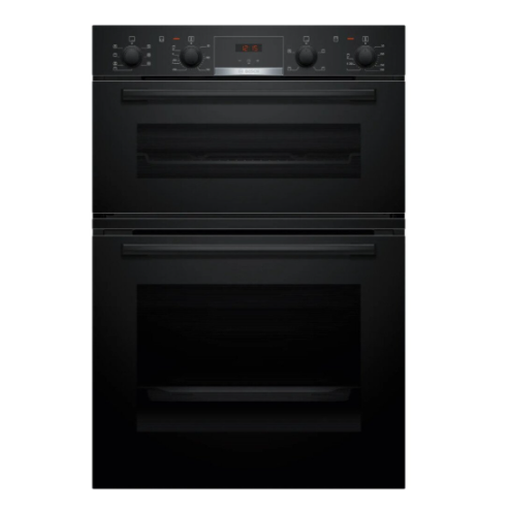 No image available
Consider this double oven if the tart and another dish regularly need separate cooking temperatures.
Its eye-level format needs suitable housing. Check the model’s cut-out and electrical instructions with a qualified installer before buying.
 No image available
The double-oven format is worth considering when dessert and the rest of the meal need separate cooking zones.
The 90 cm designation is not a cabinet cut-out measurement. Confirm the required housing dimensions and hardwired electrical requirements for this model.
 No image available
A single oven suits a meal you can cook within one cavity and one temperature schedule.
Check its cooking-mode instructions against your tart recipe, and confirm the cabinet cut-out and electrical connection before installation.
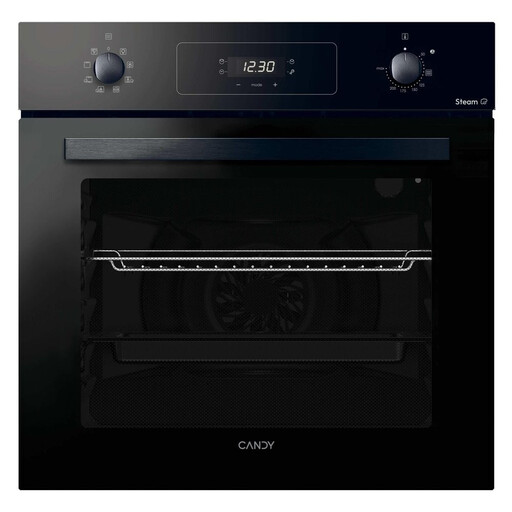 No image available
This single-cavity model is a route to consider when the tart does not need to bake alongside a dish at another temperature.
Compare your tart tin with the usable cavity and shelf space. Check the model instructions for the installation opening and connection method.
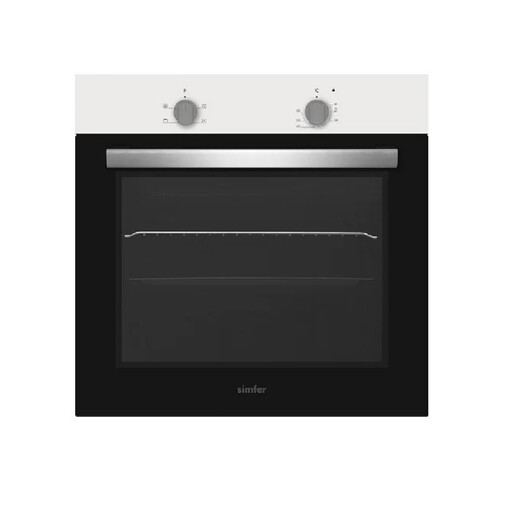 No image available
Consider a single cavity if you can schedule the tart and other dishes without needing different oven temperatures at once.
Confirm the cooking modes required by your recipe, the exact cabinet opening and the electrical connection in the model instructions.
Not if one cavity accommodates your cooking schedule. A double oven becomes useful when the tart and another dish regularly need different temperatures at the same time; NEFF’s oven buying guide describes that separate-cavity use.
No. Choose an oven with the conventional or fan-cooking mode your tart recipe requires. Steam assistance, offered on specific Bosch and AEG models, is an optional consideration if you also want that feature for other baking.
Check the exact model’s installation cut-out, electrical load and connection method against your kitchen. Electrical Safety First advises assessing power requirements and using a qualified electrician for fitting; do not assume an oven comes with a plug.
Compare the exact model’s energy label and product information sheet alongside its cavity and the functions you intend to use. UK government guidance requires an energy label at the point of sale for products within the applicable energy-information rules; use the documentation supplied for your sale location.
Let the oven cool and follow its model-specific manual. Water-assisted methods loosen residue for wiping, while a pyrolytic programme uses a high-temperature cycle; check whether shelves and accessories must be removed before starting a cleaning cycle.