Single-tart lunchbox bakers
If you usually bake one tart at a time, a main oven with a suitable fan-cooking function is more relevant to your choice than separate cooking zones. Check the functions of the particular model.


For one chocolate tart at a time, a correctly fitted single built-in fan oven is a sensible starting point; check the exact model’s cooking functions rather than expecting identical results from every fan system. Consider two cavities or independently controlled zones if you regularly cook other dishes alongside the tart, and confirm the cabinet opening and electrical requirements before ordering.
If you usually bake one tart at a time, a main oven with a suitable fan-cooking function is more relevant to your choice than separate cooking zones. Check the functions of the particular model.
If lunchbox preparation often includes other dishes, you may have a use for multiple baking levels, separate cavities or independently controlled zones. NEFF describes multi-level cooking on specified models, while Samsung describes independently operating zones on its Dual Cook Flex models.
If you are replacing a built-in oven or planning a new cabinet, measure the opening before comparing features. John Lewis & Partners advises checking the aperture, and Electrical Safety First advises reviewing an oven’s power requirements.
For a lunchbox chocolate tart, establish which oven fits and can be connected appropriately, then compare the baking functions you will use. Extra cavities and cleaning functions matter most when they address a recurring need.
| Concern | What to check | Who this matters to |
|---|---|---|
| Fit and electrical connection | Measure the built-in opening against the exact installation dimensions. Check the model’s connection method and power requirements. | If my cabinet or electrical supply limits the choice, I need to settle installation suitability before comparing cooking extras. Around 40% of consumers put fit and connection first. |
| Fan cooking and controls | Check the exact model’s fan or hot-air functions, shelf arrangement, temperature controls and timer. | When I mainly bake one tart, I want cooking settings I can use and monitor without choosing functions I rarely need. Around 40% of consumers place the main baking setup first. |
| Batch cooking and cleaning | For dishes needing separate settings, check the cavity or zone arrangement. For frequent spills, check the exact cleaning method. | If tart baking regularly overlaps with other dishes, or cleaning baked-on residue is a recurring task, those added functions become more useful to me. Around 20% of consumers prioritise batch flexibility or cleaning. |
A format label does not establish the dimensions needed for a particular cabinet. John Lewis & Partners advises measuring the built-in aperture as well as the appliance.
Compare your measurements with the exact model’s installation instructions before ordering.
A mismatch can mean cabinet changes or a disrupted installation.
Connection requirements vary by oven. Electrical Safety First advises checking power requirements so that an unsuitable supply is not overloaded.
Read the model’s installation instructions and have a qualified electrician assess the supply where needed; do not assume a replacement can simply be plugged in.
Separate cavities and independently controlled zones address simultaneous cooking, while assisted-cleaning functions address maintenance. Neither is necessary solely because you bake a chocolate tart.
Start with the cooking functions you will use for the tart, then consider additional functions if they solve a repeated batch-cooking or cleaning problem.
Electrical Safety First advises buying from a reputable retailer and registering an appliance so you can be contacted about a safety recall.
Keep the product and installation records, and register the oven after purchase.
Bosch offers standard and compact built-in formats for kitchens where a conventional single oven is the preferred route.
NEFF has single, double and compact built-in oven formats for different cabinet arrangements and cooking routines.
Beko’s BBIF12311 is an example of a built-in single fan oven with cooking and assisted-cleaning functions.
AEG is relevant if cleaning functions or additional cooking controls are important alongside standard baking modes.
Samsung’s Dual Cook Flex models are relevant when a single built-in appliance needs separately controlled cooking zones.
These built-in single electric ovens suit a one-cavity baking setup. Compare the exact cooking modes, cabinet requirements and electrical connection before choosing one for tart baking.
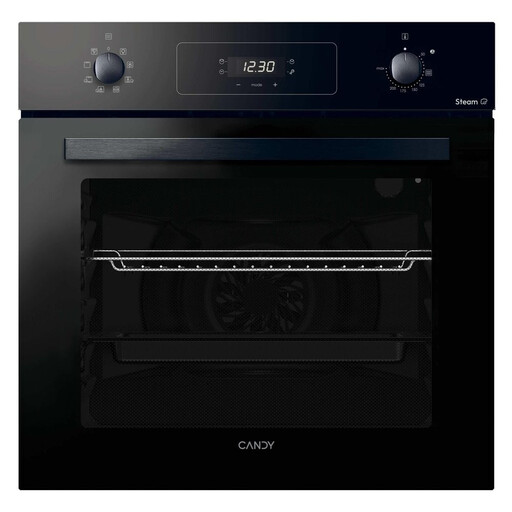 No image available
Consider this model if your usual bake uses one oven cavity.
The product name specifies a 65 L capacity. Check the installation instructions for the stated 13A supply and compare the required opening with your cabinet.
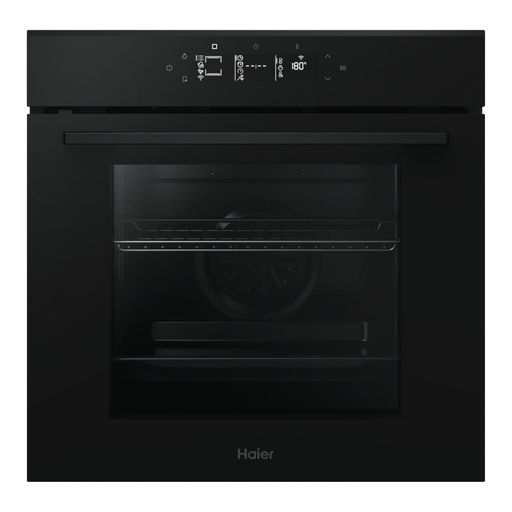
 No image available
This is a single-oven option for a kitchen where one main cooking cavity meets the usual baking need.
Before ordering, check whether the circuit suits the listed hardwired connection and 3.3 kW load, and compare the installation requirements with your cabinet.
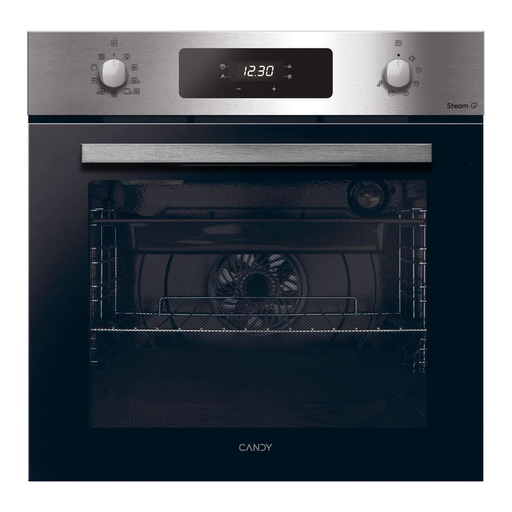
 No image available
Consider this single-oven format if you bake in one cavity and want to compare cleaning functions as part of the choice.
The product name specifies a 70 L capacity. Check the stated hardwiring requirement for a dedicated 16A circuit, and confirm the exact cleaning modes rather than assuming pyrolytic cleaning is included.
 No image available
This one-cavity option is worth considering if cleaning baked-on residue is a recurring part of your baking routine.
The product name specifies pyrolytic cleaning. Check the exact installation instructions for the required electrical connection and cabinet opening.
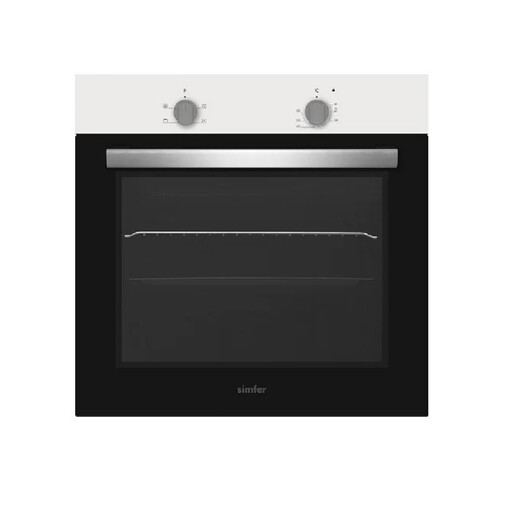 No image available
This model fits the one-cavity route if its cooking functions suit your tart recipe and its installation requirements suit your kitchen.
Check the appliance and cabinet dimensions in the installation sheet, and confirm the listed 13 Amp plug connection against the intended supply.
A single fan oven is a sensible choice when you usually bake one tart at a time and the exact model suits your kitchen. Check its cooking modes and controls; manufacturers describe fan-air functions on named models, but the result of a particular bake is not guaranteed by the function name.
They become useful when you regularly cook another dish alongside the tart, particularly if the dishes need different settings. NEFF describes double ovens with two cavities, while Samsung describes independently controlled zones on specified Dual Cook Flex models; check how the particular oven arranges its cooking space.
Measure the cabinet opening and compare it with the exact model’s installation instructions, not just its visible front or nominal format. John Lewis & Partners specifically advises measuring the aperture when choosing a built-in oven.
No: check the new model’s connection method and power requirements before ordering. Electrical Safety First advises reviewing those requirements and consulting a qualified electrician when the suitability of the supply is uncertain.
No; choose an assisted-cleaning function for the cleaning work it addresses, not as a requirement for tart baking. AEG describes pyrolytic cleaning on a specified model, while Beko lists steam-assisted cleaning on another, so check the method provided by the oven you are considering.