Regular tray-bake hosts
If oat bars, flapjacks or other picnic bakes are a regular fixture, cooking modes, usable tray space and cleaning will matter beyond a single outing.


A built-in fan oven is a sensible starting point if picnic oat bars are usually a single-tray bake; look at multi-level cooking if you regularly prepare several trays. A double oven becomes useful when another dish needs a separate cavity or temperature, but it requires suitable housing. Check tray space, installation requirements and independent baking tests where available rather than treating a fan feature as proof of even results.
If oat bars, flapjacks or other picnic bakes are a regular fixture, cooking modes, usable tray space and cleaning will matter beyond a single outing.
If you prepare several trays or cook oat bars alongside other food, consider shelf arrangements and whether one larger cavity or two separate cavities suit your workflow.
If an oven is already installed, establish what fits the existing cabinet and electrical arrangement before comparing cooking features.
Decide whether another dish genuinely needs its own cavity, then check the tray-baking features and installation requirements of the exact oven.
Consider it when: Oat bars are the main bake and one cavity accommodates your usual trays.
Trade-off: Another dish cannot cook independently at a different temperature in the same cavity.
Consider it when: Picnic preparation regularly calls for oat bars and another dish to cook separately.
Trade-off: The taller format needs compatible housing and does not, by itself, establish better oat-bar results.
| Concern | What to check | Who this matters to |
|---|---|---|
| Even tray baking | Check the exact cooking modes and, where available, independent tests of heat distribution and temperature-control accuracy. | If I want oat bars cooked consistently across a tray, I would look beyond a fan-mode name. Around 31% of consumers would put even baking first. |
| Batch capacity | Compare usable tray dimensions and shelf positions; check whether multi-level cooking or a second cavity suits your dishes. | When I make several trays for a picnic, I need a cooking arrangement that fits the batch without relying on cavity litres alone. Around 31% of consumers would prioritise batch capacity. |
| Installation fit | Compare the cabinet opening with the exact installation drawing and check the electrical connection requirements and energy information. | Replacing an installed oven means I need it to fit my cabinet and electrical arrangement before its extra features matter. For around 23% of consumers, installation fit would come first. |
| Cleaning | Identify the exact cleaning method and read its instructions, including any steps involving accessories. | After frequent sticky tray bakes, I would rather choose cleaning support I am willing to use. Around 15% of consumers would make clean-up their primary concern. |
A larger stated capacity does not establish that an oven fits your housing. AEG UK lists 590 × 560 × 550 mm built-in dimensions for its BSX23101XM single oven, while NEFF lists 888 × 594 × 550 mm for its U2ACH7AG7B double oven.
Measure the opening and compare it with the installation drawing for the exact model before ordering.
A mismatch may mean cabinet changes or returning an appliance that does not fit.
Manufacturer airflow and multilevel descriptions identify cooking features, not the outcome of an independent oat-bar test. Which? assesses oven heat distribution and control accuracy separately.
Use cooking modes to narrow your choices, then consult independent results for the exact model if consistent tray baking is decisive.
Electrical Safety First notes that some ovens require hardwiring into a dedicated circuit; unsuitable wiring or extension leads can be overloaded.
Read the model's installation instructions and connection requirements, and use a qualified electrician where the installation requires one.
Cleaning support concerns maintenance, while even baking depends on heat distribution and temperature control. Which? considers these as separate aspects of an oven.
Choose a cleaning method for the upkeep it entails, and assess baking results separately.
These model examples illustrate different features and installation needs; a brand name alone does not settle which oven suits your kitchen.
The BBXIF243 is a full-size built-in single oven for consumers considering one relatively large cavity.
The BSX23101XM is a built-in single-oven example for consumers interested in multilevel cooking and cleaning support.
The HBS573BB0B is a built-in single oven for consumers weighing automatic programmes and pyrolytic cleaning.
The U2ACH7AG7B is a tall built-in double oven for consumers who need separate cooking spaces.
These built-in single and double ovens offer different starting points for picnic tray baking. Choose between one cavity and two based on your cooking plans, then confirm the exact tray and installation requirements before ordering.
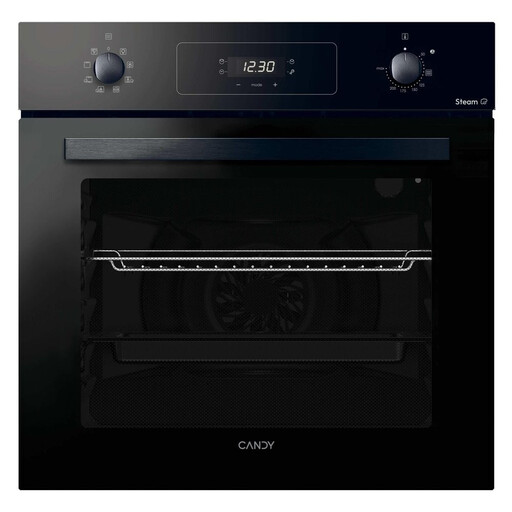 No image available
Consider this single oven if fan-assisted tray baking and cleaning support are priorities. Its stated capacity is 65 L; check the supplied tray dimensions against your recipe.
Before installation, check the model's stated 13 A connection requirements against your home's wiring; the listing says no plug is supplied.
 No image available
Consider this model if you want to assess multi-level cooking for more than one tray. Confirm which trays are supplied and whether their dimensions suit your oat-bar recipe; a multi-level feature is not an independent even-baking result.
Check its stated 3.3 kW hardwired connection and the installation instructions against your home's electrical arrangement.
 No image available
Consider this double oven when oat bars and another dish need separate cooking spaces. Check that the trays suit your bakes and that the stated 885 × 595 × 550 mm appliance dimensions match the installation drawing and cabinet opening.
The listing calls for hardwired installation by an electrician; confirm the requirements for your home.
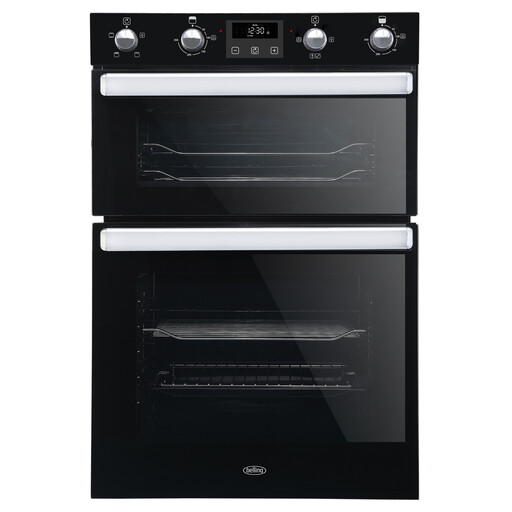 No image available
Consider this double-oven format if a second cooking space would help when preparing picnic food. Check the supplied trays and compare the exact installation dimensions and electrical requirements with your kitchen before ordering.
If clean-up matters, review the instructions for the model's stated catalytic liners rather than assuming they remove every cleaning step.
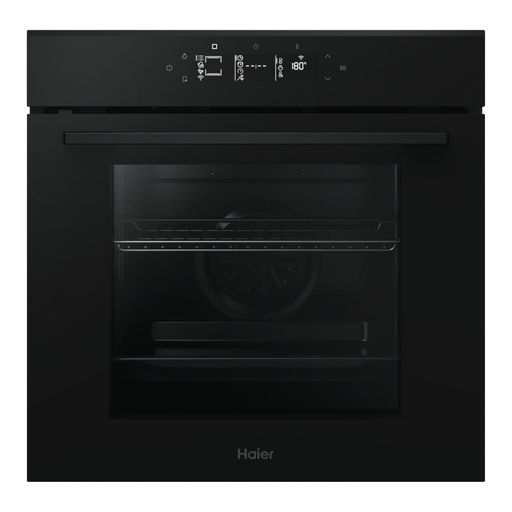 No image available
Consider this 70 L single oven if cavity space and cleaning support matter to you. Confirm that its cooking modes include the fan setting you want and that the supplied accessories fit your tray.
Check the maximum temperature for the exact model before buying: the product specifications state 240 °C, while its usage instructions say up to 300 °C.
A fan oven is a practical option to consider for tray baking, but its fan-mode name does not guarantee even oat bars. Check the exact cooking modes and, if consistent results are decisive, look for independent heat-distribution and temperature-control tests of that model.
Choose a single oven when one cavity accommodates your usual oat-bar trays and other cooking plans; consider a double oven when another dish regularly needs a separate cavity or temperature. Check the double oven's taller housing requirements before treating it as a replacement for a single oven.
Compare the exact oven's installation drawing with your cabinet opening and check its electrical connection instructions. Electrical Safety First advises installation by a qualified electrician and notes that some ovens need hardwiring into a dedicated circuit; requirements depend on the model and your home.
Use the energy label and product information sheet for each covered domestic oven, comparing figures for the applicable cooking mode rather than judging by cavity size alone. GOV.UK energy-information guidance sets out labelling and product-information requirements for products in scope.