
24/7 Customer Support

Free returns

Same-day & Next-day Delivery

Quality Guaranteed

Unlock Your Welcome Offers: FREE Delivery | Up to 80% OFF | Free 30-day JoyPlus trial
Download the APP
A new kitchen is a significant investment, and the oven is its heart. Choosing the right built-in ovens can feel overwhelming, with a sea of technical jargon and features. It's easy to be swayed by marketing promises that don't deliver, leaving you with an appliance that complicates, rather than simplifies, your daily cooking.
As the Joybuy Product Recommendation Officer, my role is to help you navigate this landscape. We'll cut through the jargon and focus on what truly matters, helping you avoid common pitfalls that lead to buyer's remorse.
Before looking at models, it's crucial to recognise the most common traps that catch out UK buyers:
To make a sound choice, focus on these fundamental parameters. They determine how the oven will perform in your home day-to-day.
The first decision is choosing between a single or double oven. This choice depends entirely on your cooking habits and available kitchen space.
This is where many buyers get confused. Here is a simple breakdown of the main types:
Unevenly cooked food is a common frustration. Look for ovens with advanced fan systems for consistent results.
We've matched some popular models to the households they would suit, helping you find an oven that fits your specific needs.
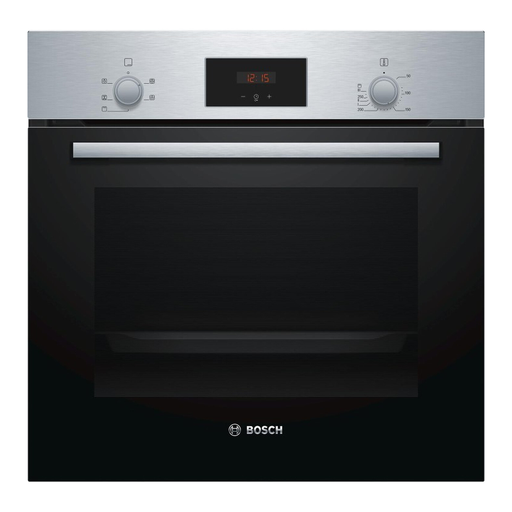
Why This Fits Their Persona: This oven focuses on core performance without the high cost of niche features. It's ideal for someone undertaking a kitchen renovation who needs a reliable, efficient appliance from a trusted brand that will handle daily cooking with ease.
It avoids overpaying for smart features by focusing on a practical, high-performance cooking system (3D Hotair) that delivers tangible benefits like even baking across multiple shelves.
3D Hotair technology ensures even heat distribution for consistent results. The GranitEnamel interior is smoother than standard enamel, making it easier to wipe clean.
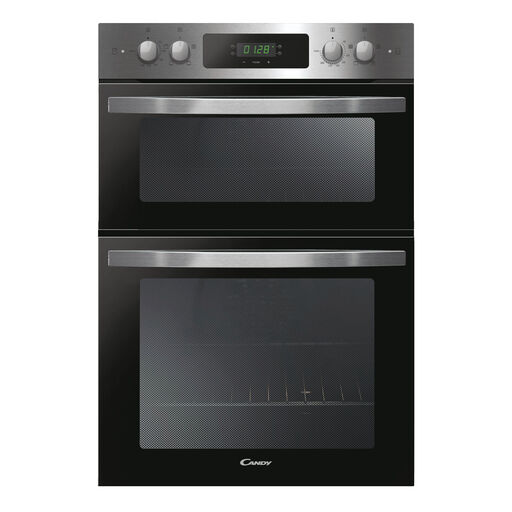
Why This Fits Their Persona: For households juggling multiple dishes for dinner or preparing for a gathering, a double oven is a lifesaver. This model provides the flexibility to roast a chicken in the main fan oven while grilling vegetables in the top cavity, all at the same time.
It provides a practical solution to a real cooking problem (needing more space and temperature zones) rather than focusing on complex digital features that a busy family might not have time to learn or use.
Its core benefit is the dual cavity design, offering a main fan oven and a secondary conventional oven with grill. Both cavities are A-rated for energy efficiency, keeping running costs in check.
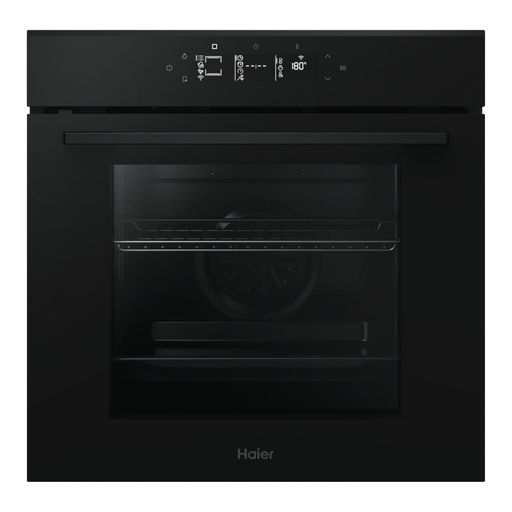
Why This Fits Their Persona: This user wants technology that enhances the cooking process. With app connectivity for remote control, a library of recipes and dedicated functions like an oven with air fryer mode, this appliance is a true kitchen partner for the modern cook.
Its smart features are practical, not gimmicky. The hOn App provides genuine cooking assistance and remote control, while the Hydrolytic cleaning system is an effective, eco-friendly solution.
The hOn App connectivity offers access to over 350 recipes and remote control. It also features an efficient A+ energy rating and a dedicated Air Fry function for healthier cooking.
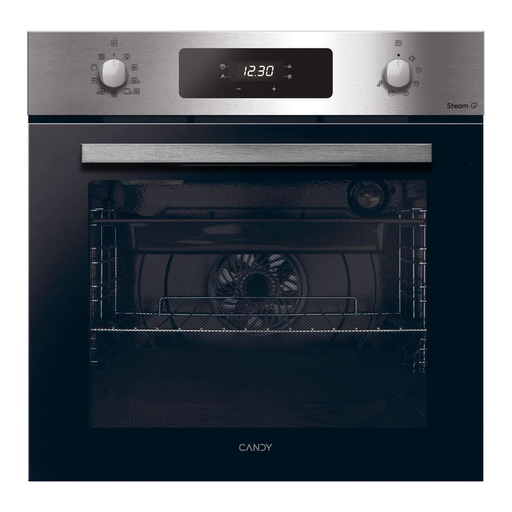
Why This Fits Their Persona: For anyone who despises the chore of oven cleaning, a pyrolytic model is the ultimate solution. This user values their time and is willing to invest in a feature that completely automates one of the most disliked kitchen tasks.
It directly addresses the "self-cleaning" misconception by offering the most effective technology available. It delivers on its promise of a low-maintenance appliance, justifying its position in the market.
The standout feature is the Pyrolytic self-cleaning cycle, which turns grease to ash for easy removal. It also has a generous 71-litre capacity and a versatile range of cooking functions.
We have compiled a complete, real-time list of products that fully satisfy these strict selection criteria and UK safety regulations.
Not all, but many do. Ovens with a total electrical load below 3kW can sometimes be fitted with a 13-amp plug. However, most multifunction single ovens and virtually all double ovens exceed this and must be hardwired to a dedicated cooker circuit by a qualified electrician. Always check the product specification for the 'total connected load' and consult an electrician if you are unsure.
A well-maintained built-in oven from a reputable brand should last approximately 10-15 years. The lifespan can be affected by usage frequency, cleaning habits and the quality of the components. Regular cleaning, especially of door seals and avoiding the use of harsh abrasive chemicals can help prolong its operational life.
This depends on your priorities. If you detest cleaning the oven and value your time, then yes, it is often considered a worthwhile investment. The process is highly effective and requires minimal effort. However, if you don't mind a bit of manual cleaning and are on a tighter budget, an oven with catalytic liners or a steam-clean function offers a good compromise.