
24/7 Customer Support

Free returns

Same-day & Next-day Delivery

Quality Guaranteed

Unlock Your Welcome Offers: FREE Delivery | Up to 80% OFF | Free 30-day JoyPlus trial
Download the APP
Stocking up on bottled water seems straightforward. You find a deal, click "buy" and wait for the delivery. Yet, many of us have ended up with a purchase we regret—perhaps a still water multipack with flimsy packaging that splits open, or water with a taste that just isn't quite right. When you're looking to buy bulk bottled water, the small details can make a big difference to your wallet and your daily hydration habits.
As the Joybuy Product Recommendation Officer, my role is to help you navigate the market. Let's cut through the marketing jargon and focus on what truly matters, so you can avoid common purchasing pitfalls.
Before you add a case of water to your basket, be aware of these frequent issues that can lead to buyer's remorse:
Alkaline water has a higher pH, which some people prefer for its taste, but it often comes at a higher price. It's important to decide if this is a feature you genuinely value or if you're paying extra for a trend.eco-friendly bottled water solution.natural mineral water can taste remarkably different. Buying a large quantity without understanding its mineral profile can leave you with a supply you don't enjoy drinking.To ensure you're making a smart purchase, focus on these three core parameters. They will help you choose the right product for your home or office water supply.
Understanding the source is the first step. In the UK, these terms have specific legal definitions.
Neither is inherently "better," but if you are looking for a consistent taste and mineral content with every purchase, natural mineral water is typically the more reliable choice.
The taste and "mouthfeel" of water are largely influenced by its Total Dissolved Solids (TDS)—the concentration of minerals like calcium, magnesium and potassium.
Your preference is personal. If you prefer a completely neutral taste, look for a lower TDS. If you enjoy a water with more body and character, a higher TDS might be more suitable.
Consider how and where you will be using the water.
still water multipack of 6 x 1.5L bottles is a household staple, perfect for keeping in the fridge and ensuring everyone stays hydrated.office water supply or planning for a large gathering.Always check the packaging material. Many brands now use rPET (recycled plastic) for their bottles, and options like boxed water or cans offer more eco-friendly bottled water alternatives.
Here are a few options that align with different needs, helping you make a choice that fits your lifestyle.
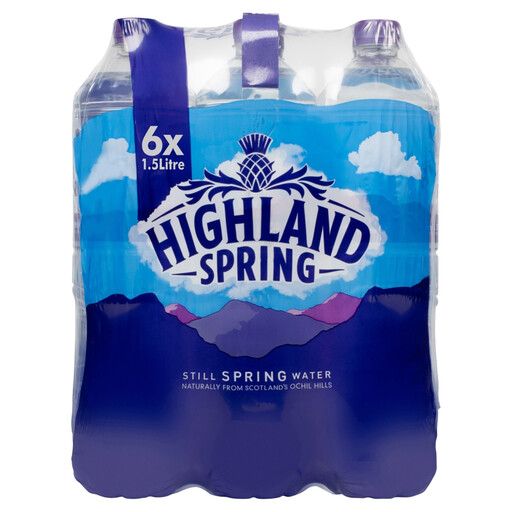
Why This Fits Their Persona: This is a reliable and familiar choice for UK families. The 1.5L bottles are ideal for decanting into smaller flasks or for family mealtimes, and the multipack format is convenient for weekly shops and stocking the pantry.
It's a straightforward natural spring water without confusing marketing claims. You get a consistent, refreshing product from a protected Scottish source.
Sourced and bottled in Scotland from protected land. The bottles are 100% recyclable, offering a responsible choice for daily hydration.
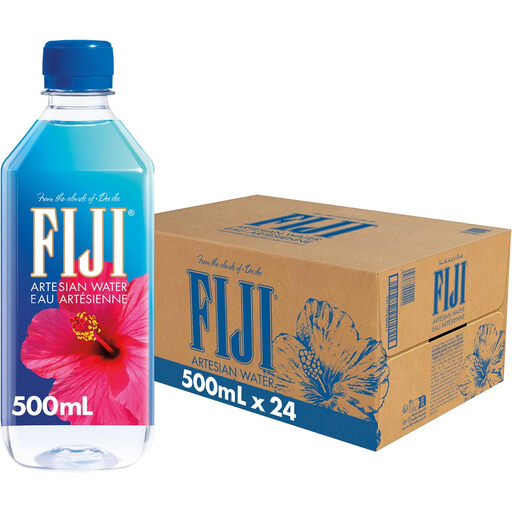
Why This Fits Their Persona: For those who appreciate a premium experience, FIJI Water offers a distinctively soft, smooth taste. The 500ml bottles are perfect for personal use, travel or offering to guests, reflecting a taste for finer things.
While it has a naturally alkaline pH, its main selling point is its unique artesian source and mineral profile (rich in silica), which provides its signature taste, not just a pH number.
Sourced from a protected artesian aquifer in Fiji and filtered through volcanic rock. The 24-pack of 500ml bottles is made from 100% rPET recycled plastic.
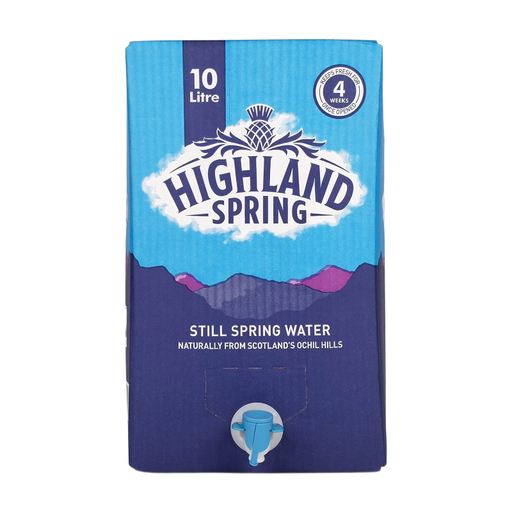
Why This Fits Their Persona: This 10-litre box is a highly practical and cost-effective solution for an office kitchen, a home gym or a large family. The built-in tap makes dispensing easy and minimises spills, providing a constant supply of fresh water.
It sidesteps the issue of flimsy multipacks entirely. The sturdy, recyclable cardboard box is easy to store and use, focusing on function and volume over niche marketing.
An ideal format for an office water supply. It significantly reduces single-use plastic bottle waste and offers great value for high-volume consumption.
We have compiled a complete, real-time list of products that fully satisfy these strict selection criteria and UK safety regulations.
In the UK, Natural Mineral Water must come from a specific, officially recognised underground source. It must have a consistent mineral composition and be bottled at the source. Spring Water also originates from an underground source and is bottled there, but its mineral content is not required to be stable over time.
Once a bottle of water is opened, it's best to consume it within a few days. For larger formats like a 10L box, manufacturers often recommend consuming the water within 7 days to four weeks when refrigerated, to ensure it remains fresh. Always store opened water in a cool place away from direct sunlight and strong odours.
Alkaline water has a higher pH level than regular drinking water. Some people prefer its taste, and brands often market it with various wellness-related suggestions. However, there is limited scientific consensus on significant health benefits for the general population. The choice to drink it is largely one of personal preference and budget.