Hosts offering alcohol-free drinks
If some guests want to avoid alcohol, plan the whole drink around that requirement. Check the mixer and every other ingredient, rather than assuming that a cocktail mixer makes the finished serve alcohol-free.


For a bulk order, choose mixers around the alcohol content you want in each finished drink: a light or slimline tonic does not reduce the alcohol added in a spirit. If guests are avoiding alcohol, check every component’s label and use an alcohol-free base; if they want an alcoholic drink with less alcohol, check the base’s ABV and measure the pour. Then choose pack sizes and flavours around the drinks you expect to serve.
If some guests want to avoid alcohol, plan the whole drink around that requirement. Check the mixer and every other ingredient, rather than assuming that a cocktail mixer makes the finished serve alcohol-free.
If alcoholic drinks are still on the menu, the base’s stated ABV and the amount poured matter more to the drink’s alcohol content than whether the mixer says light or slimline.
Individual portions can help plan mixer quantities and keep flavours separate. Larger bottles may suit repeated serves of the same mixer, provided the group is likely to use them after opening.
Decide what each finished drink needs to be before choosing its nutrition profile, flavour and pack format.
| Priority | What to check | Your needs |
|---|---|---|
| Alcohol content | Read the ABV on every component. UK Department of Health and Social Care guidance describes a low-alcohol drink as 1.2% ABV or less; its alcohol-free descriptor guidance applies to drinks from which alcohol has been extracted and that contain no more than 0.05% ABV. A mixer’s label alone cannot classify a drink made with a spirit. | I need to know whether guests want to avoid alcohol or have an alcoholic drink with less alcohol. That determines which bases and mixers I check before combining them. |
| Calories and sugar | Compare nutrition panels per 100 ml and for the amount you expect to pour. Check alcohol content separately: light and slimline wording is not an ABV statement. Fever-Tree says its Refreshingly Light Indian Tonic has 50% fewer calories than its Premium Indian Tonic; that comparison concerns the mixer, not the finished drink’s alcohol content. | If I want a lower-calorie mixer, I still need to check the alcoholic base and pour rather than treating the tonic’s name as an alcohol guide. |
| Pack format | Count the expected serves and compare the total volume in each pack. Tesco Groceries lists tonic in 150 ml multipacks and 1 litre bottles; consider how many flavours will be open at once. | For varied drinks, I may want individual mixer portions. If many guests will have the same mixer, I can consider sharing bottles and how much will be used after opening. |
| Flavour | Match the mixer to the alcoholic or alcohol-free bases you plan to offer. Fentimans’ range includes tonic, ginger and soda options; its pairing suggestions are the brand’s own guidance, so try an unfamiliar flavour before committing to a large quantity. | I want enough choice for guests without making every serve depend on one unfamiliar flavour. |
Light or slimline describes a mixer variant, not the alcohol content of a drink made with a spirit. Choosing one will not remove the alcohol added with the base.
For an alcohol-free serve, check every component and use an alcohol-free base. For a moderated alcoholic serve, check each alcoholic component’s ABV and measure what you pour.
A botanical tonic or ginger mixer may work with the drinks you have planned but will not necessarily suit every base or guest. A large opened bottle also needs enough matching serves to be used.
Try unfamiliar combinations before ordering a case, or plan a selection that includes a familiar tonic or soda alongside flavoured choices.
Opened sharing bottles can leave unused mixer if fewer guests choose that flavour than expected.
A mixer’s label does not establish the alcohol content of a finished drink. GOV.UK also says there is no fixed number of drinks that can tell an individual whether they are below the drink-drive limit.
If you may drive, do not use a serving count, a low-alcohol product or previous experience as proof that drinking alcohol is safe or lawful.
These ranges offer different starting points for flavour and format; a brand name does not establish the ABV of a finished drink.
A tonic and mixer range with standard and lighter-calorie variants to compare for a group order.
A familiar tonic option with standard and slimline variants in different pack formats.
A flavour-led range covering tonic and other mixers for different planned serves.
A soft-drinks company whose portfolio includes mixers, juices and cordials.
These light and slimline tonic and ginger-ale multipacks offer individually sized mixer portions for a group. Choose the other components separately to meet any alcohol-free or lower-alcohol goal.
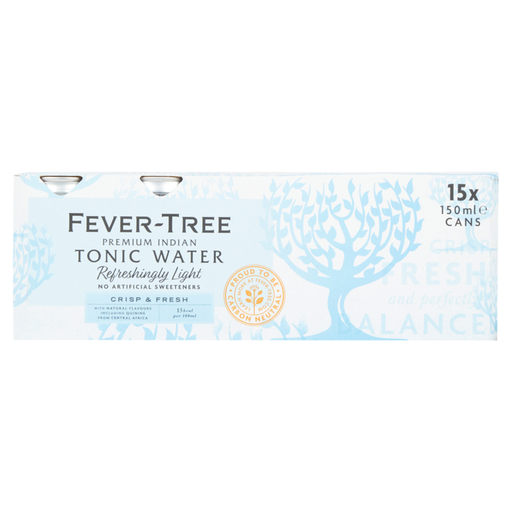 Image unavailable
The 15 × 150 ml format can help you plan individual mixer portions for a gathering. If it will be served with a spirit, check the spirit’s ABV and measure the pour before describing the finished drink as low alcohol.
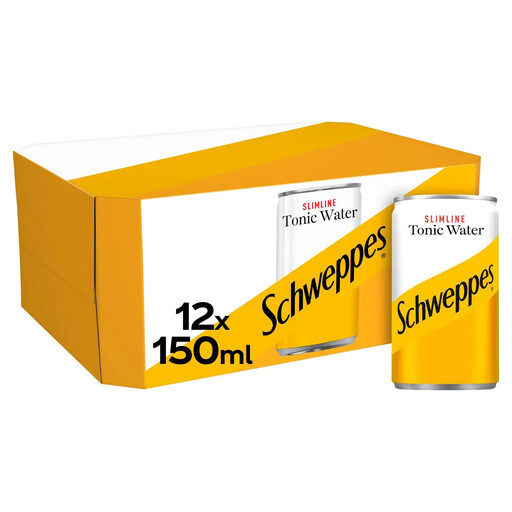 Image unavailable
The 12 × 150 ml pack suits a plan based on individual mixer portions. Slimline does not tell you the ABV of a drink containing a spirit; check and measure the alcoholic component separately.
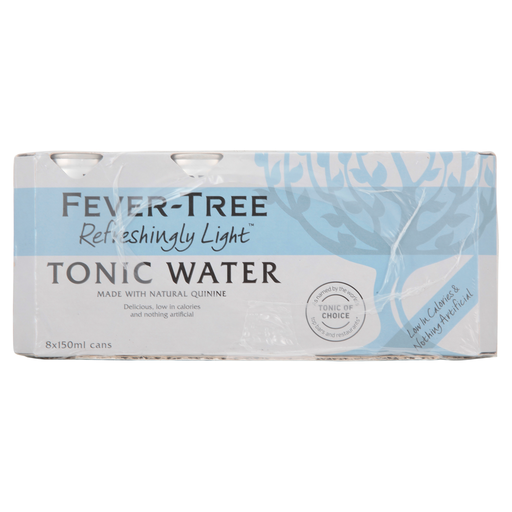 Image unavailable
This 8 × 150 ml pack is another way to portion tonic for a smaller set of serves or a mixed-flavour order. Read the labels of all components before calling any finished drink alcohol-free or low alcohol.
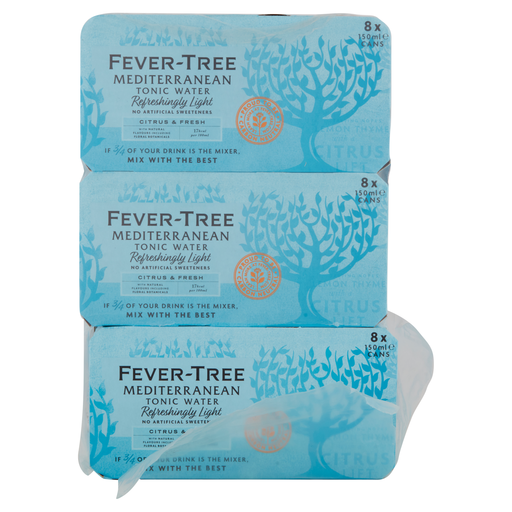 Image unavailable
The Mediterranean tonic variant adds a different choice to a mixed-flavour order in an 8 × 150 ml format. Try it with the base you intend to use, and check every component’s ABV if the finished drink must meet an alcohol-content goal.
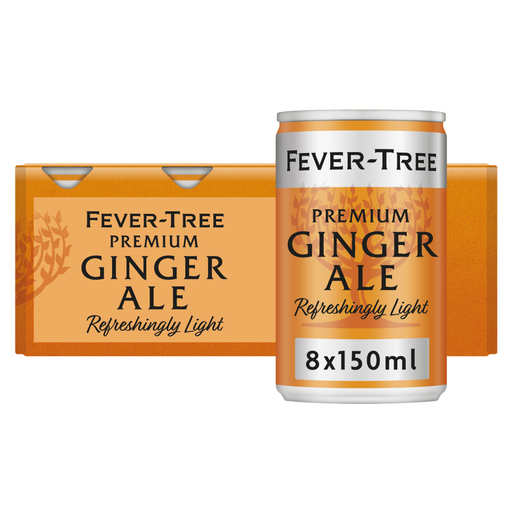 Image unavailable
Choose this 8 × 150 ml ginger-ale pack if your planned drinks call for ginger ale rather than tonic. Its light wording does not establish the alcohol content of a mixed drink; check the base and pour.
No. Light or slimline mixer wording does not establish the ABV of a drink made with an alcoholic base. Check that base’s labelled ABV and measure the amount used; compare the mixer’s nutrition panel separately if calories or sugar matter to your order.
Department of Health and Social Care guidance describes low-alcohol drinks as containing 1.2% ABV or less, with the maximum ABV indicated on the label. Its alcohol-free descriptor guidance applies where alcohol has been extracted and the drink contains no more than 0.05% ABV; the label should state the ABV or that it contains no alcohol. Check each component when assembling a finished drink.
Choose individual portions if you need to plan separate serves or offer several mixer flavours. Consider larger bottles when many guests will use the same mixer and you expect to finish them after opening. Count the likely drinks and total mixer volume before ordering either format.
No. The mixer does not determine the ABV of a drink containing alcohol, and GOV.UK says no fixed drink count can tell an individual whether they are below the drink-drive limit. Do not treat a product label or serving count as proof that drinking alcohol before driving is safe or lawful.