
24/7 Customer Support

Free returns

Same-day & Next-day Delivery

Quality Guaranteed

Unlock Your Welcome Offers: FREE Delivery | Up to 80% OFF | Free 30-day JoyPlus trial
Download the APP
Navigating the drinks aisle to find genuinely healthier options for your family or office can feel like a full-time job. The shelves are packed with bright labels and bold claims, but what looks like a smart choice can often be a costly mistake. As a Product Recommendation Officer at Joybuy, I see where shoppers often go wrong when trying to bulk buy no added sugar drinks.
Many of us have been there: you buy a massive multipack of drinks to save money, only to find the kids refuse to drink them, or you realise the "healthy" option still contains more sugar than you're comfortable with. Before you fill your pantry, let's look at the common pitfalls that lead to wasted money and sugary regrets.
To make a truly informed choice, you need to look beyond the front-of-pack marketing. Here are the three most important factors to analyse before you buy.
The single most important piece of information is the "of which sugars" line in the nutritional table, usually listed per 100ml. This figure tells you the total sugar content, including both added and naturally occurring sugars. Comparing this value across different low sugar soft drinks in the UK gives you a true like-for-like measure of what you're consuming. A drink with less than 2.5g of sugar per 100ml is generally considered a low-sugar option.
The right format depends entirely on how and where you'll be drinking it.
After checking the sugar content, a quick scan of the ingredients list is worthwhile. Most no-added-sugar drinks use sweeteners like Sucralose, Aspartame, or Acesulfame K. There's no right or wrong choice here; it's a matter of personal preference. Additionally, check the percentage of real fruit juice. A higher fruit content often, but not always, indicates a more natural flavour profile.
Based on these practical criteria, here are a few options from our catalogue that are well-suited to different UK households and their needs.
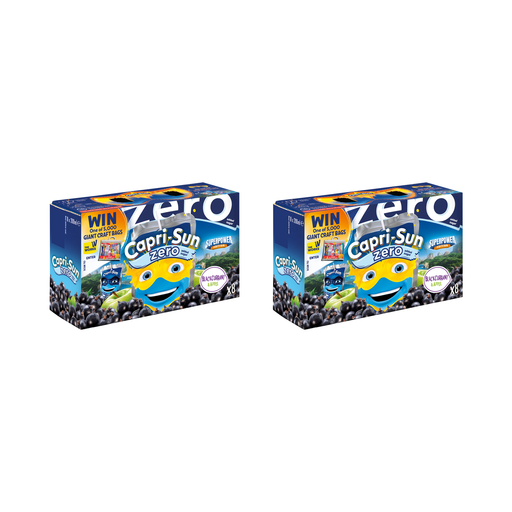
Why This Fits Their Persona: This multipack is designed for busy parents who need reliable, portion-controlled kids juice drinks no added sugar. The iconic pouch with an attached straw is easy for children to handle independently, making it a go-to for school lunches, picnics and after-school activities.
It solves the "false economy" trap by providing a format perfectly suited for its purpose. There's no decanting or waste; each pouch is a single serving, ensuring the bulk purchase is practical and gets used.
Contains just 0.5g of sugar per 100ml and is made without artificial colours or preservatives. The multipack format offers good value for on-the-go needs.
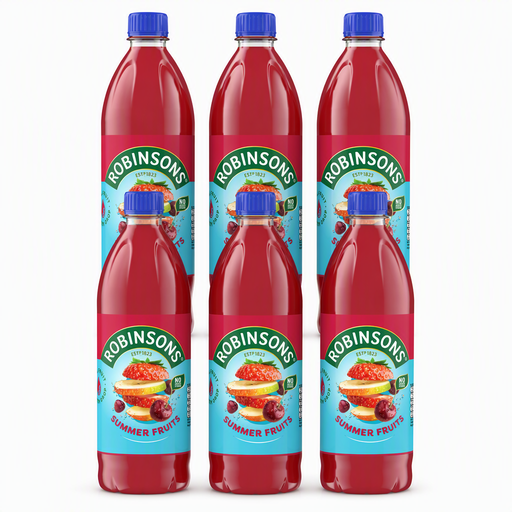
Why This Fits Their Persona: This is for the household shopper focused on value and keeping the pantry well-stocked. A family size squash multipack like this provides a huge number of servings, making it one of the most cost-effective ways to provide daily hydration for the whole family.
By being a concentrate, it directly counters the high cost-per-serving of ready-to-drink options. The sugar content is also extremely low when diluted (0g per 100ml), avoiding the "hidden sugar" pitfall.
Extremely high value with a large number of servings per bottle. Made with real fruit juices and contains no added sugar, making it a reliable choice for everyday hydration.
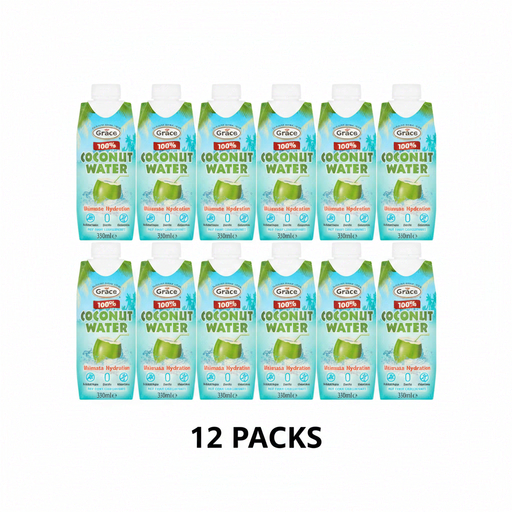
Why This Fits Their Persona: This is for the individual who prioritises clean, simple ingredients. It's not a squash or a traditional juice drink, but a natural beverage sought for hydration. It's ideal for post-workout recovery or as a refreshing alternative to water for adults and older children.
It completely sidesteps the artificial ingredients pitfall. The ingredient list is one item: 100% Coconut Water. It also clarifies the sugar issue, as it contains only naturally occurring sugars and no additives.
Zero fat, not from concentrate and gluten-free. It provides natural hydration with a clean ingredient profile, appealing to health-conscious consumers.
We have compiled a complete, real-time list of products that fully satisfy these strict selection criteria and UK safety regulations.
Many drinks, especially squashes, are suitable for young children, but it's important to check the label. Some products may carry a warning for children under 36 months due to small parts (caps) or specific sweeteners. For squashes like Ribena no added sugar, the manufacturer often recommends diluting it with extra water for toddlers to reduce the concentration of flavour and acidity.
To find the cost per serving for squash, divide the total price of the bottle by the number of servings it makes. For example, a 1L bottle that makes 20 servings and costs ?2.00 is 10p per serving. For ready-to-drink cartons, simply divide the total price of the multipack by the number of cartons. A 16-pack costing ?8.00 is 50p per carton. This simple calculation often shows that squash is significantly more economical for at-home use.
Before opening, most squashes and ready-to-drink cartons can be stored in a cool, dry place like a pantry. Once opened, they must be refrigerated and typically consumed within a specific timeframe, usually between 3 days for cartons and up to 4 weeks for squash. Always check the storage instructions on the packaging for specific guidance.