Frequent instant-decaf drinkers
In a household or shared kitchen where people make decaf regularly, an instant jar offers straightforward preparation. Choose a size you can use while following its storage instructions.


For frequent use in a shared kitchen, instant decaf needs only hot water; a refill is worth considering if you already have a suitable container. Choose ground coffee or beans when you have the brewing equipment, and check pod compatibility before buying several packs. Whichever format you choose, match the pack size to your usage and its storage instructions; decaf does not necessarily mean caffeine-free.
The useful pack and format depend on how often the coffee is made and what equipment is available.
In a household or shared kitchen where people make decaf regularly, an instant jar offers straightforward preparation. Choose a size you can use while following its storage instructions.
If you already have a clean, suitable container that closes securely, an instant-coffee refill lets you use it again instead of buying another jar.
If you use a cafetière, filter brewer, espresso machine or grinder, look for decaf in a form that suits that equipment. Ground coffee, whole beans and pods have different preparation requirements.
Start with the preparation method, then consider how much coffee you will use after each pack is opened.
| Priority | What to check | Your needs |
|---|---|---|
| Preparation | Instant coffee needs hot water. Ground coffee needs a suitable brewer; beans need a grinder and brewer. Check the machine system before choosing pods. | I make decaf in a shared kitchen and want a format everyone can prepare with the equipment already there. |
| Pack size | Compare net quantities within the format you intend to use. Consider how quickly an opened pack will be finished before opening several at once. | Our household drinks decaf regularly, but I do not want several opened packs in use at the same time. |
| Storage | Read the instructions for the exact product. Check whether an opened refill needs a suitable container and whether ground coffee has specific post-opening guidance. | I can store a larger supply unopened, but I need somewhere appropriate for the pack currently in use. |
| Refills | Check the refill quantity and whether your existing container is clean, suitable and able to close securely. | There is already a jar in my kitchen, so I would rather use it than add another one. |
| Caffeine | Do not read ‘decaf’ as ‘caffeine-free’. Check the specific product information if its caffeine content matters to your decision. | I am choosing decaf to limit caffeine and need to know whether the particular product fits my requirements. |
Decaf pods are not interchangeable across every machine system. Several packs of the wrong type may be unusable with the machine you have.
Confirm the stated capsule system against your machine before ordering in quantity. If you do not use a compatible machine, consider a format you can already prepare.
Nescafé explains that decaffeinated coffee can still contain caffeine. The category name alone cannot establish the amount in a particular cup.
Check the product information when caffeine content is an important condition of your purchase.
Storage directions vary between products. M&S, for example, gives specific post-opening instructions for its Decaf Ground Coffee.
Keep unopened packs closed until needed, and follow the instructions on each pack once opened.
These ranges illustrate the formats available; a brand’s inclusion here does not establish that every product is stocked on Joybuy.
Nescafé Original Decaf is an instant option offered in 100g, 190g and 300g formats, according to Nescafé.
Kenco offers a 150g Decaf instant-coffee refill for buyers who already have a suitable container.
Tesco lists Taylors decaf ground coffee and whole beans for buyers who prepare brewed coffee.
Tesco lists own-label Decaffeinated Classic Coffee in a 200g pack alongside branded decaf products.
Sainsbury's lists own-label Rich Roast decaffeinated instant granules in a 200g pack.
M&S lists decaf ground coffee, instant coffee, pods and coffee bags, offering different preparation formats.
These options cover instant coffee for straightforward preparation, plus ground coffee and beans for buyers with brewing equipment. Compare the pack sizes with how often you make decaf.
 No image available
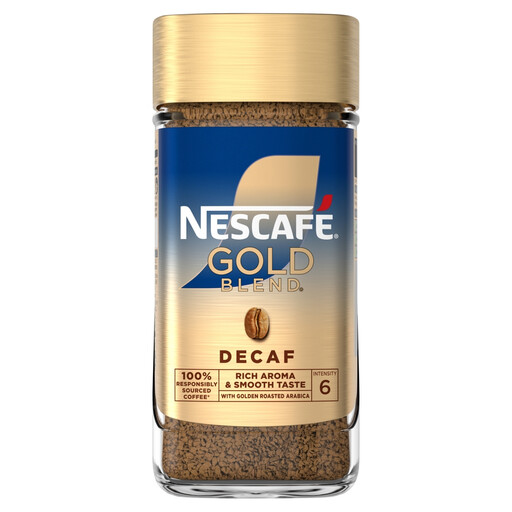
This instant decaf format suits a kitchen where coffee is made with hot water. Consider whether a 300g jar matches your usage, and follow its storage instructions after opening.
 No image available
Consider this 190g instant-decaf jar if you want a smaller pack for regular preparation with hot water. Check the pack’s storage directions once it is opened.
 No image available
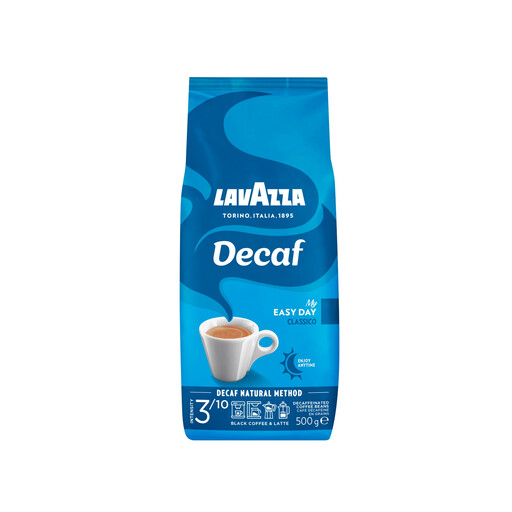
These whole beans are an option when you have a grinder and suitable brewing equipment. A 500g pack is worth matching to your rate of use and the storage guidance on the pack.
 No image available
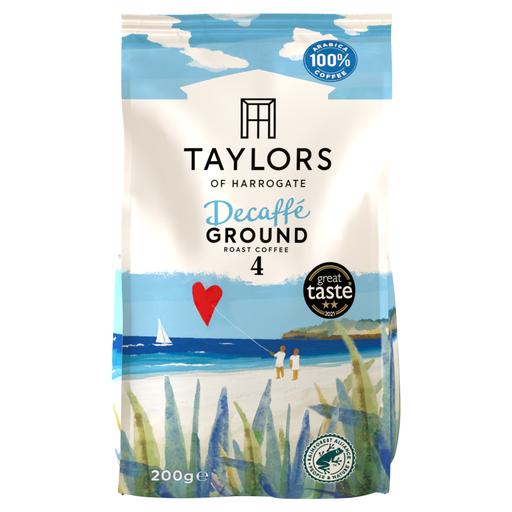
Ground decaf avoids the need to grind beans, but it still needs a suitable brewer. Check that the grind is appropriate for your brewing method before buying multiple packs.
 No image available
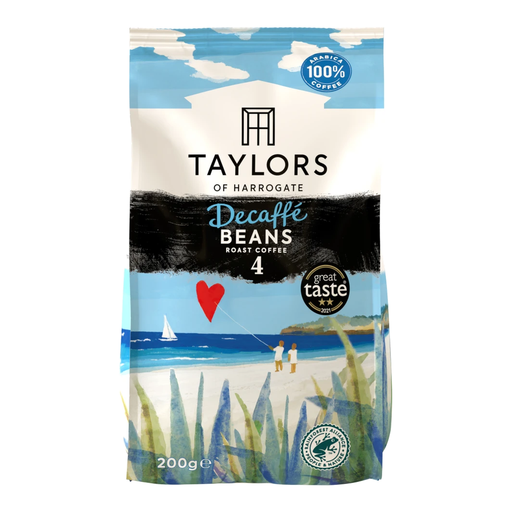
Choose whole beans if you already use a grinder and brewer. Consider whether you will finish the 200g pack within the post-opening period stated on its label.
Not necessarily. Nescafé explains that decaffeination does not remove all caffeine, so check the specific product information if the amount matters to you.
Instant decaf needs hot water rather than a coffee brewer. Tesco’s preparation directions for Nescafé Original Decaf 300g specify one 1.8g teaspoon with 200ml hot water; ground coffee, beans and pods call for suitable equipment.
Choose a format you can prepare, then compare each pack’s net quantity with how quickly your household uses coffee. For a multi-pack purchase, consider whether you can keep the unopened packs closed and follow the instructions for each pack after opening.
Follow the directions for the product you bought. Tesco specifies cool, dry storage for Nescafé Original Decaf 300g; for its Decaf Ground Coffee, M&S advises an airtight container for two weeks in the fridge or four weeks in the freezer after opening.