Everyday family-cupboard stockers
If pasta appears in several weekday meals, familiar shapes that work with your usual sauces and bakes are easier to use repeatedly. Plan the number of packs around those meals rather than pack size alone.


For a bulk cupboard, choose a dried-pasta shape your household uses regularly and a quantity you can store and use while its quality remains acceptable; the largest pack is not automatically the most practical choice. If higher fibre is a priority, consider wholewheat pasta, provided wheat suits the household. Where gluten must be avoided, choose a clearly labelled gluten-free product and check the individual pack.
If pasta appears in several weekday meals, familiar shapes that work with your usual sauces and bakes are easier to use repeatedly. Plan the number of packs around those meals rather than pack size alone.
Wholewheat pasta is an option when fibre content matters to the household. The NHS names it as a higher-fibre or wholegrain choice; compare the nutrition panel and try the flavour and cooking instructions before stocking several packs.
When gluten avoidance is required, check that the individual pasta pack is labelled gluten-free and read its ingredients and allergen information. A brand name or shelf category alone does not identify the suitability of every product.
Settle any gluten-free requirement before choosing a shape or pack quantity. Otherwise, decide whether a familiar everyday pasta or a wholewheat option fits the meals your household will actually make.
| Concern | What to check | Who this matters to |
|---|---|---|
| Usable cupboard stock | Check the total pack quantity, best-before date and storage instructions against your planned meals and cupboard space. | If I am stocking up for regular meals, I want to avoid packs sitting unused or being stored badly. About 37% of consumers put that stock-planning need first. |
| Shape for repeat meals | Choose one or two shapes used in your usual dishes; check the cooking instructions for the exact product. | I make different pasta meals each week and need a shape I will reach for repeatedly. For about 27% of consumers, that versatility is the primary concern. |
| Wholewheat and fibre | Compare fibre per 100g on the nutrition panel, then consider flavour and cooking instructions before buying several packs. | When I want wholewheat pasta, I need to know whether everyone eating it likes the product. That higher-fibre preference comes first for about 18% of consumers. |
| Gluten-free suitability | Look for an explicit gluten-free label and read the current pack’s ingredients and allergen information. | If gluten must be avoided in my household, the individual pack’s suitability takes priority over its shape or quantity. About 18% of consumers place that requirement first. |
A cupboard full of pasta is useful only if the household has room to store it as instructed and expects to use it while its quality remains acceptable. GOV.UK distinguishes a best-before quality date from a use-by safety date and lists dried pasta among foods that commonly carry a best-before date.
Check the date and storage instructions, then match the number of packs to meals you regularly make.
Buying more than you use can leave packs taking up cupboard space or going unused.
Long pasta, tubes, twists and lasagne sheets fit different dishes. A shape bought for one recipe may see little use in an everyday pasta cupboard.
Stock a shape you already use often, and try a smaller quantity of a specialist shape before making it a bulk purchase.
The NHS names wholewheat pasta as a higher-fibre or wholegrain option, but wholewheat pasta still contains wheat. Barilla describes its separate gluten-free penne as made from corn and rice; that does not establish the nutrition or cooking behaviour of other gluten-free products.
Use the nutrition panel when comparing fibre, and choose an explicitly labelled gluten-free product when gluten avoidance is required.
Ingredients and allergen information differ between products. For example, an M&S standard penne listing identifies wheat and says the product may contain eggs. GOV.UK says regulated allergens in prepacked food must be clearly identified in the ingredients list.
Read the current pack’s ingredients and allergen information, including when buying a familiar product again.
Barilla lists multiple shapes in its Classic Blue Box range and has a separate gluten-free pasta range. These are distinct product choices, not interchangeable dietary options.
Tesco Groceries groups dried pasta into categories including long pasta, twists, wholewheat and gluten-free products, giving shoppers several formats to compare.
The cited M&S listings include standard durum-wheat penne and a separate Made in Italy wholewheat spaghetti.
These multipacks offer wholewheat fusilli and everyday spaghetti or fusilli for planned cupboard stocking. Choose the shape and quantity you expect to use, and check the individual pack if you have a dietary requirement.
 No image available
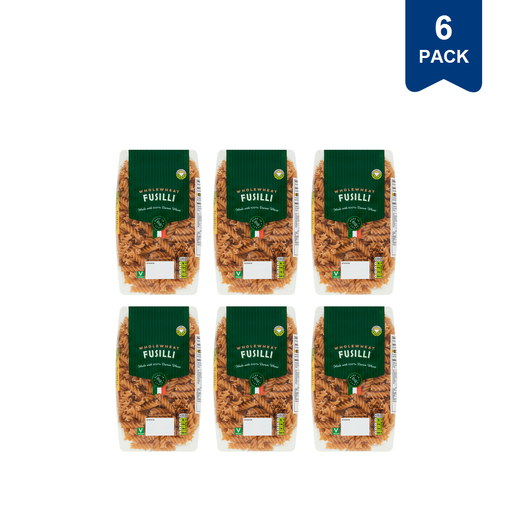
Consider this for repeat fusilli meals when wholewheat pasta is the household’s preference. The bundle contains six 500g packs. It contains wheat, so it does not meet a gluten-free requirement; check the best-before date and whether you can store and use the full quantity.
 No image available
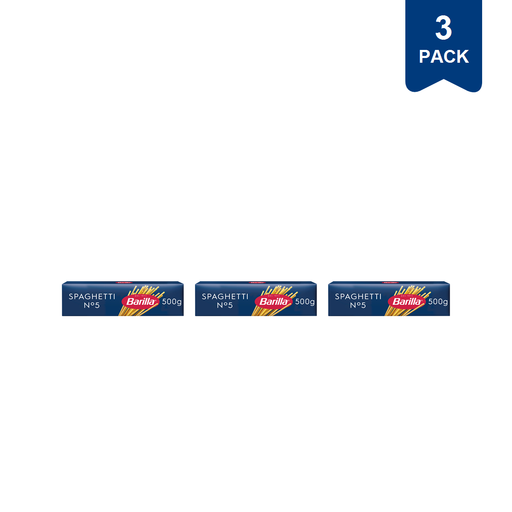
This three-pack suits a cupboard where spaghetti is used regularly. Each pack is 500g. Check the current ingredients and allergen information if your household has dietary restrictions, and consider whether three packs fit your planned meals.
 No image available
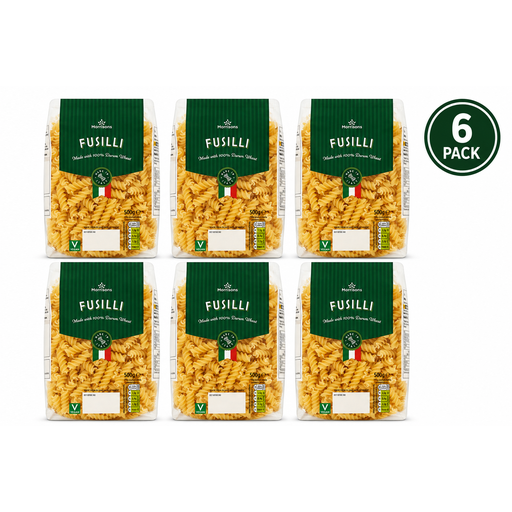
Choose this format if fusilli appears often in the meals you plan to cook. The bundle contains six 500g packs. It contains wheat and is not a gluten-free option; check the best-before date and storage instructions before stocking the full bundle.
No. GOV.UK explains that best-before dates concern quality, while use-by dates concern food safety; it lists dried pasta among foods that commonly carry a best-before date. Follow the pack’s storage instructions and consider how much pasta you expect to use.
Follow the instructions on each pack. The cited M&S dried-pasta listings specify a cool, dry place, so check that you have suitable cupboard space before buying several packs.
Do not assume ordinary wheat pasta is suitable. GOV.UK identifies cereals containing gluten, including wheat, as regulated allergens that must be clearly labelled in the ingredients list of prepacked food. Choose a product explicitly labelled gluten-free and check its current pack.
No. The NHS names wholewheat pasta as a higher-fibre or wholegrain option, but the household still needs to like and use the product. Compare the fibre information and cooking instructions on the exact pack, and remember that wholewheat pasta contains wheat.
Buy a larger quantity only when you expect to use that shape and can store all the packs as instructed. Check the best-before date against your planned meals instead of choosing by pack size alone.