For an older person at home or in a care setting, choose the drink format around their preferences and individual needs before deciding on a 240-portion case. Consider decaf when caffeine aggravates bladder or bowel symptoms, and check the exact label before choosing a milk-based coffee sachet. If individual portions matter, confirm that the pack contains coffee sticks rather than assuming a jar, tin or similarly numbered case will serve the same purpose.
Who is buying the coffee?
The right format depends on who will prepare and drink the coffee, not just how many portions are in the case.
Care-home and day-centre buyers
You may need drinks for people with different preferences and assessed nutrition, hydration and clinical requirements. Norfolk and Waveney Integrated Care System’s 2026 care-home guidance calls for residents’ needs to be assessed and reviewed individually; a shared bulk order still has to fit those needs.
Family carers
A convenient supply can make a familiar drink easy to offer at home. Check whether the person prefers standard or decaf coffee and whether a plain coffee, or a separately prepared milky drink, fits their individual plan.
Older adults considering less caffeine
If caffeine makes bladder or bowel symptoms worse, a decaf option may be more suitable than stocking only standard coffee. NHS Tayside identifies caffeine as a possible aggravating factor for these symptoms.
What should you check before ordering?
Decide whether plain standard coffee, decaf coffee or a milk-based drink fits the person first. Then check the exact product’s portions, ingredients and preparation details.
Standard coffee sticks
Consider when: Caffeinated coffee suits the drinker and separate portions are useful for preparing drinks in a shared setting.
Trade-off: A stick controls the amount of coffee dispensed, but does not make the drink a nutritional supplement or address caffeine sensitivity.
Decaf coffee sticks
Consider when: The person wants instant coffee but prefers to reduce caffeine, or caffeine aggravates their symptoms.
Trade-off: Decaf changes the caffeine choice, not the need to assess the drink’s place in an individual nutrition and hydration plan.
Milk-based coffee sachets
Consider when: The person wants this style of drink and its ingredients and prepared-serving values fit their needs.
Trade-off: A coffee mix is not interchangeable with plain coffee, a fortified milky drink or prescribed nutrition support.
| Priority | What to check | Your needs |
|---|
| Individual fit |
Check the person’s preferences and any assessed nutrition, hydration, allergy or clinical requirements. For shared service, check that more than one drink option can be identified clearly. |
I’m buying for someone whose drink choices need to fit their own care plan, not a single bulk order chosen for everyone. |
| Caffeine |
Identify whether each product is standard or decaf coffee. Keep the versions distinguishable if both will be served. |
Caffeine may aggravate this drinker’s bladder or bowel symptoms, so I want a decaf choice available. |
| Portions and format |
Confirm that the stated count refers to coffee portions. Check whether the product contains individual sticks or is a jar or tin, and read its preparation instructions. |
Separate servings would help in our shared kitchen; a large jar would not meet that particular need. |
| Ingredients and labels |
For a coffee mix, read the ingredients, allergen declaration and nutrition values per prepared serving. Compare products using their own stated serving sizes. |
If I choose a latte sachet, I need to know what is in the finished mug. Tesco Groceries lists one NESCAFÉ Latte at 75 kcal and 7.0 g sugars per mug and declares milk; those values apply to that product, not every coffee mix. |
| Fluids |
Consider coffee alongside the person’s other drinks and any individual hydration support. Do not use a coffee-case count as a measure of fluid intake. |
I’d like to offer coffee as one drink option while keeping other suitable drinks available. The NHS says tea and coffee can count towards daily fluid intake. |
Common buying mistakes
-
Letting a 240-portion target decide the drink
A case size cannot establish whether standard coffee, decaf or a milky drink fits an older person’s assessed needs.
Choose the drink type for the individual first, then compare portion counts and packaging.
-
Treating a latte sachet as plain coffee
Milk-based mixes can have different ingredients and prepared-serving values. Tesco Groceries’ NESCAFÉ Latte listing declares milk and gives 75 kcal and 7.0 g sugars per mug.
Read the ingredients, allergen declaration and nutrition table for the exact flavour and pack you intend to serve.
-
Ordering only caffeinated coffee for mixed needs
NHS Tayside notes that caffeine can worsen bladder and bowel symptoms for some people, so one standard-coffee supply may not suit every drinker.
Where appropriate, keep a clearly identified decaf option alongside standard coffee.
-
Confusing a case count with coffee-stick count
A number on a bulk listing is useful only when the product type and contents are clear.
Check the exact product name, coffee-portion count, ingredients and current listing details before ordering.
Brand and format references
These brands illustrate format choices; a brand name alone does not establish the portion count or suitability of a particular product.
NESCAFÉ
NESCAFÉ appears in UK listings for plain instant-coffee sticks, decaf products and milk-based coffee sachets. Check which type the exact product name describes.
- The listed formats give buyers distinct plain-coffee and coffee-mix choices.
- A latte sachet is not interchangeable with a plain coffee stick: Tesco Groceries declares milk in its listed NESCAFÉ Latte product.
Kenco
Kenco’s UK product range includes decaf instant coffee, providing a format to consider when the drinker wants to reduce caffeine.
- Decaf products are identified in Kenco’s own range and in UK grocery listings.
- Check the selected product’s container, portion count and label rather than assuming it is a box of sticks.
Douwe Egberts
UK grocery listings include Douwe Egberts Pure Decaf instant coffee in a jar format.
- The listed decaf jar offers a different preparation format from individual coffee sticks.
- A jar listing does not establish an equivalent 240-stick catering product.
Joybuy decaf coffee options
These decaf instant coffees are jar or tin options for preparing drinks at home or where spooned portions suit the setting. They are not individually portioned 240-stick catering boxes; check the exact label against the drinker’s needs.
 No image available
Kenco Decaff Instant Coffee 100g
A decaf jar to consider when coffee is prepared at home and separate sticks are unnecessary.
The 100g quantity is a jar weight, not a 240-portion count; check the label against individual dietary requirements.
View on Joybuy
 No image available
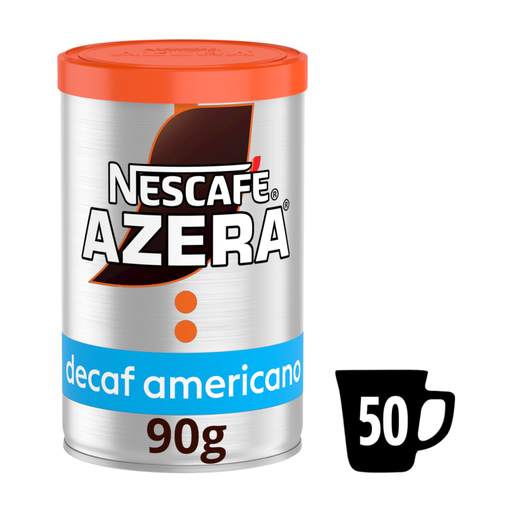
NESCAFÉ Azera Decaf Americano 90g
This decaf instant coffee suits someone choosing a tin for home preparation rather than individual sticks.
The tin contains 90g of coffee, not 240 portions. Check its preparation instructions when assessing a prepared serving.
View on Joybuy
 No image available
NESCAFÉ Original Decaff Coffee 300g
A decaf jar for a household that prefers to spoon out its own coffee rather than use single servings.
The 300g jar is not a 240-stick case; follow the product’s own preparation and label information for the intended drinker.
View on Joybuy
 No image available
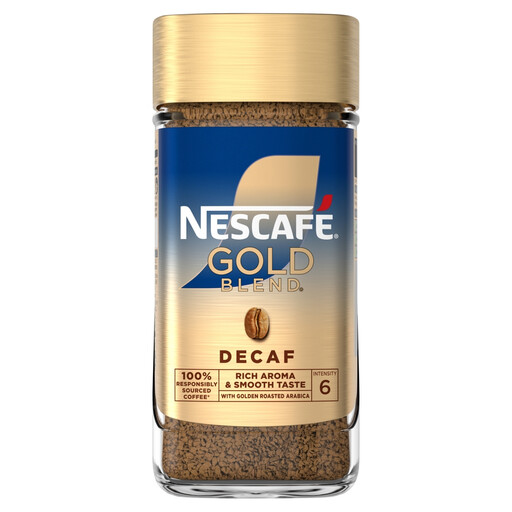
NESCAFÉ Gold Blend Decaf Coffee 190g
This decaf jar is an option where a household wants instant coffee without individually wrapped portions.
Its 190g jar size does not specify 240 servings; check the exact label and serving instructions before using it in an individual care plan.
View on Joybuy
Frequently asked questions
Does instant coffee count towards an older person’s fluid intake?
Yes. The NHS says tea and coffee can count towards daily fluid intake. Offer other suitable drinks too, and follow any individual hydration plan rather than relying on coffee alone.
Should every older coffee drinker choose decaf?
No. Decaf is worth considering when the person wants to reduce caffeine or caffeine aggravates bladder or bowel symptoms, as described by NHS Tayside. Their preferences and any care plan still matter.
Is a latte sachet a substitute for nutritional support?
Do not assume it is. A milk-based coffee mix has its own ingredients and prepared-serving values; East Lancashire Hospitals NHS Trust describes milky coffee made with full-fat or fortified milk as one possible food-first option in malnutrition care. Check the individual plan and the exact product label rather than treating an ordinary sachet as a fortified or prescribed drink.
What should a care setting check before buying a large coffee case?
Check whether the drink type fits each resident’s assessed nutrition and hydration needs, preferences and clinical requirements. Then confirm the coffee-portion count, packaging format, ingredients and preparation instructions for the product being ordered.
Does a bulk listing marked 240 guarantee 240 coffee sticks?
No. Confirm that the number refers to individual portions of the intended coffee, rather than another product or a different packaging measure. A jar or tin with a stated weight is not a box of 240 sticks.


