
24/7 Customer Support

Free returns

Same-day & Next-day Delivery

Quality Guaranteed

Unlock Your Welcome Offers: FREE Delivery | Up to 80% OFF | Free 30-day JoyPlus trial
Download the APP
Stocking your pantry with bulk instant noodles seems like a straightforward way to save money and ensure you always have a quick meal on hand. Whether you're a student on a budget, a busy professional or a family looking for convenient options, buying noodles online in the UK offers incredible variety. However, what appears to be a great deal can sometimes lead to disappointment. Before you fill your basket, it's worth knowing about a few common pitfalls that can turn a savvy purchase into a cupboard full of regret.
As the Joybuy Product Recommendation Officer, my role is to help you navigate these choices. Let's look at the most frequent mistakes and how to sidestep them.
One of the most common reasons for heavily discounted bulk packs is a rapidly approaching "best before" date. While perfectly safe to eat, a box of 40 noodle packs expiring next month isn't practical for long-term pantry stocking. Many shoppers get drawn in by the low price per unit, only to find they can't possibly consume the product in time, leading to waste. Always check the product page for any short-date warnings or, if not listed, consider the seller's policy.
The world of instant noodles is vast and exciting, from fiery Korean ramen to pungent Chinese luosifen. However, descriptions like "spicy" can be highly subjective. One brand's mild kick is another's five-alarm fire. Committing to a large multipack of an unfamiliar flavour is a gamble. You might discover a new favourite or you could be stuck with 20 servings of a taste you simply can't tolerate.
Not all instant noodles are created equal in terms of preparation. Some are simple "just add boiling water" pots, while others are stir-fry noodles that require boiling, draining and then mixing with sauces. Some are a basic noodle-and-soup-base affair, while others come with multiple sachets for a more complex meal. Buying in bulk without understanding the preparation steps can lead to frustration if you were expecting a one-step, three-minute meal.
To ensure your bulk purchase is a success, focus on these core parameters. They will help you find the right product for your lifestyle and taste.
The foundation of your meal is the noodle itself. Understanding the type and how it's prepared is crucial for convenience and texture.
Japanese instant noodles and Korean ramen multipack options use wheat-based noodles, known for their springy, chewy texture. In contrast, dishes like luosifen use rice noodles, which are often smoother and have a different kind of chew.To avoid the flavour gamble, get familiar with regional characteristics.
vegetarian noodles. Don't forget that a pasta multipack can also be a versatile pantry staple for creating quick Italian-inspired meals.Don't just look at the number of packs in a box; check the weight per serving. A 69g pot is a light snack, whereas a 120g or 140g pack is a more substantial meal. Calculating the price per 100g is a more accurate way to compare value than simply looking at the price per pack.
Here are a few selections matched to different needs, helping you choose with confidence.

Why This Fits Their Persona: This is for households that need a reliable, crowd-pleasing option in large quantities. Shin Ramyun is a globally recognised Korean ramen, offering a consistent and satisfying spicy flavour that's popular across the UK. A 40-pack box provides excellent value for money.
It avoids the "flavour gamble" because Shin Ramyun is a well-established taste. You know exactly what you're getting, minimising the risk of buying a flavour the family won't enjoy.
Excellent cost-per-serving when bought in a large 40-pack box. The 120g serving size is substantial enough for a proper meal.
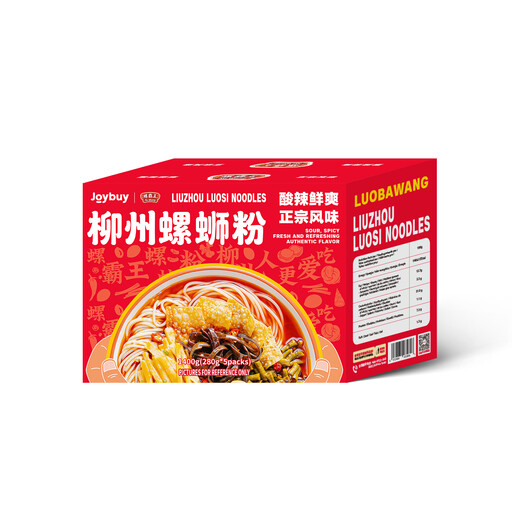
Why This Fits Their Persona: For the food enthusiast in the UK eager to explore authentic and bold Asian flavours. Luosifen is famous for its unique pungent aroma and complex sour, spicy and savoury broth. This is not your average noodle; it's an experience.
The detailed description and multiple topping packets (sour bamboo, pickled beans and peanuts) set clear expectations. This isn't a generic "spicy Chinese noodle"—it's a specific, regional dish, preventing disappointment for those unprepared for its distinctive character.
Provides a restaurant-quality experience with eight separate ingredient packets for a rich, layered taste and texture. The 280g serving is very generous.
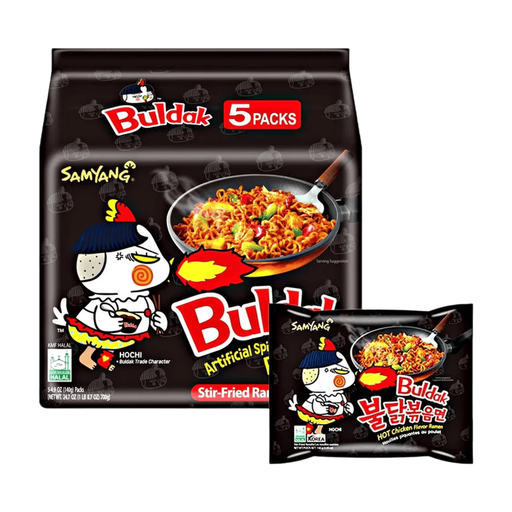
Why This Fits Their Persona: This is for the heat-seekers. Samyang's Buldak ramen is globally famous for its formidable spice level. If you're looking to test your limits or participate in the "fire noodle challenge," this is the benchmark.
There is no ambiguity here. The product's entire identity is built around its extreme heat. This avoids the pitfall of accidentally buying something far spicier than anticipated—you buy this *because* it's intensely spicy.
An iconic flavour with a rich, savoury chicken base beneath the heat. The 140g serving is generous, and the stir-fry preparation ensures every noodle is coated in the fiery sauce.
We have compiled a complete, real-time list of products that fully satisfy these strict selection criteria and UK safety regulations.
The easiest way to enhance a bowl of instant noodles is by adding fresh ingredients. Consider adding a soft-boiled egg, some leftover cooked chicken or tofu for protein. Quick-wilting greens like pak choi, spinach or chopped spring onions can be stirred in during the last minute of cooking for added nutrients and texture. To manage sodium, try using only half or two-thirds of the powdered seasoning sachet.
To maintain freshness and prevent them from going stale, store your bulk box of noodles in a cool, dry place away from direct sunlight and moisture. A kitchen pantry, larder or a dry cupboard is ideal. Ensure the outer box is well-sealed to protect the contents from pests.
While both are noodles, they have distinct characteristics. Wheat noodles, common in ramen, are known for their springy and elastic texture. Rice noodles, found in dishes like pho or luosifen, are often smoother and have a chewier bite. They also have different cooking requirements and are not always a direct substitute for one another. Always follow the package instructions for the specific noodle you are preparing.