Frequent home matcha drinkers
If you make several drinks a week, choose a pack size you can use while keeping track of the powder measured into each serving. A large ceremonial pack need not be your default if you usually add milk.


For frequent drinks and baking, consider a larger pack of plain matcha that the maker describes as suitable for both uses, but try its flavour in your usual recipes before committing to a large quantity. A latte-oriented powder makes more sense if you mainly mix matcha with milk; a smaller ceremonial pack is a distinct choice when you mainly whisk it with water.
The right format depends on what goes into your cup or recipe, not just how often you use matcha.
If you make several drinks a week, choose a pack size you can use while keeping track of the powder measured into each serving. A large ceremonial pack need not be your default if you usually add milk.
If milk is your usual mixer, look for a powder described for lattes. Check whether you are buying plain matcha or an instant mix that already contains other ingredients.
If matcha goes into smoothies, muffins or desserts as well as drinks, check that the maker describes the powder as suitable for food preparation before buying a larger pack.
Start with your most common use, then check the pack and serving details before increasing the quantity you buy.
Consider it: when one powder needs to work in drinks and recipes; Clearspring describes its Premium matcha as suitable for drinking and home baking.
Trade-off: a large pack commits you to one flavour, which may not suit every drink you make.
Consider it: when most servings contain milk; JING Tea describes its 100g latte matcha for that use.
Trade-off: a product chosen for milk drinks may be less useful if you also need powder for baking or water-only preparation.
Consider it: when drinking matcha whisked with water is the reason for choosing a particular cultivar or flavour style.
Trade-off: JING Tea offers its ceremonial Okumidori matcha in a 30g pack, rather than the larger format sought for everyday recipes.
| Priority | What to check | Your needs |
|---|---|---|
| Intended use | Check whether the maker specifies drinking, milk drinks, baking or a combination. Distinguish plain powder from an instant latte mix. | I use matcha in both drinks and recipes, so I want one powder whose stated uses cover both. |
| Flavour in your usual drink | Try a smaller size of the same product where available. Clearspring describes its Premium matcha as more bitter than its ceremonial grade; JING Tea describes its latte matcha as pairing with milk. | Most of my servings contain milk, or I mainly whisk matcha with water. That difference matters more to me than the pack name alone. |
| Pack quantity | Compare available sizes with the grams used per serving and how often you prepare matcha. Check the chosen pack’s storage instructions and best-before date. | I want enough for my routine without committing to more of one powder than I expect to use. |
| Ingredients | Read the current ingredient and allergen labels. Plain matcha and mixes containing sugar or milk are different products. | I may want to add my own milk and sweetener, or I may prefer a pre-portioned instant drink. |
| Caffeine per serving | Check the grams used and the product’s caffeine information. Clearspring estimates approximately 32mg of caffeine per 1g of its Premium matcha; the NHS advises a limit of 200mg of caffeine a day during pregnancy, counting all sources. | If I make repeated servings, I need to account for the matcha in each drink alongside other sources of caffeine. |
A matcha selected for drinking with water may not be the format you want for regular milk drinks or baking.
Decide which preparation you make most often. For one powder used across drinks and food, check that the maker explicitly describes both uses.
Pack size does not tell you whether a powder will suit your normal drink, and a larger quantity still needs to fit its labelled best-before date.
Try a smaller size of the same matcha where available, then check storage instructions and dates on the larger pack.
Clearspring estimates approximately 32mg of caffeine per 1g of its Premium matcha. The amount consumed changes with the powder measured into each serving.
Use the chosen product’s serving guidance and count other caffeine sources. During pregnancy, the NHS advises no more than 200mg of caffeine a day.
Tesco notes that food products can be reformulated, changing ingredient, nutrition or allergen information.
Read the current listing and the label on the pack you receive, particularly if an ingredient matters to you.
These examples show different product formats; a brand name alone does not establish that a particular pack suits bulk buying.
Clearspring offers Premium and Ceremonial matcha. Its Premium product is listed in 40g, 100g and 1kg sizes, with a ten-pack case option.
JING Tea lists a 30g ceremonial matcha and a separate 100g Ceremonial Latte Matcha.
Tesco lists third-party matcha products, including a 30g PerfectTed organic ceremonial-grade powder.
These options cover 100g matcha powders for repeat use and pre-portioned instant matcha milk drinks. The instant mixes are not substitutes for plain powder in recipes.
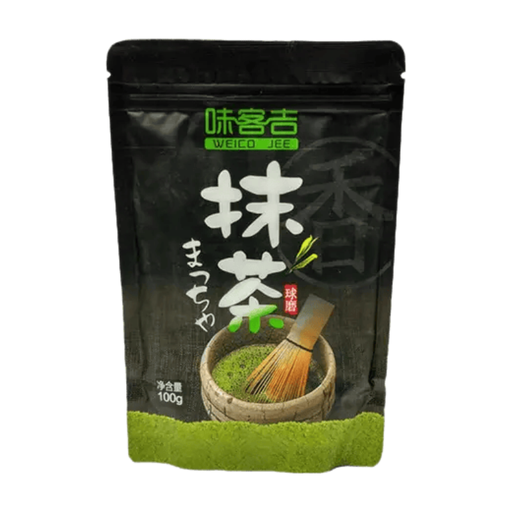 No image available
A 100g powder described for lattes, smoothies and baking if you want one matcha for drinks and recipes. The product description calls it culinary-grade, pure and free from additives; check the pack’s caffeine and storage guidance for your routine.
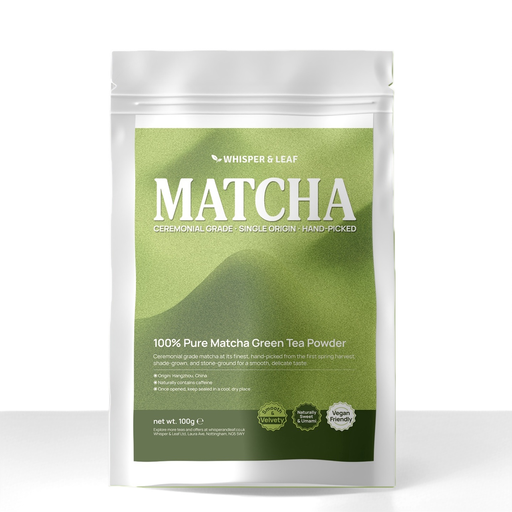 No image available
A 100g bag described as 100% matcha for traditional preparation, lattes and smoothies. If baking is your main use, check the product guidance for that use; also check its serving, caffeine and storage information before buying for frequent drinks.
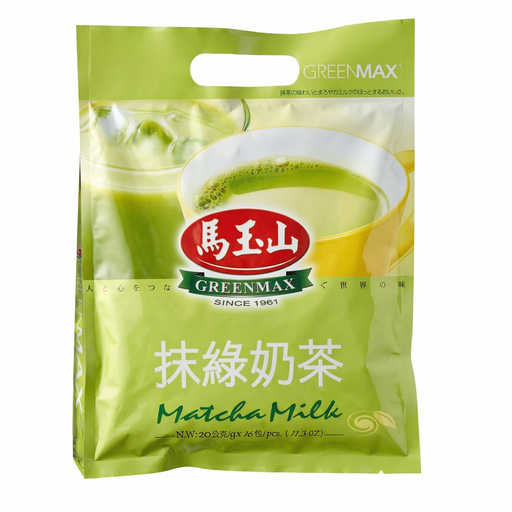 No image available
Sixteen pre-portioned sachets for preparing a hot matcha milk drink with water. This sweetened instant mix contains matcha, creamer and milk powder, so it is not plain matcha for baking; check the label for caffeine and ingredient details before frequent use.
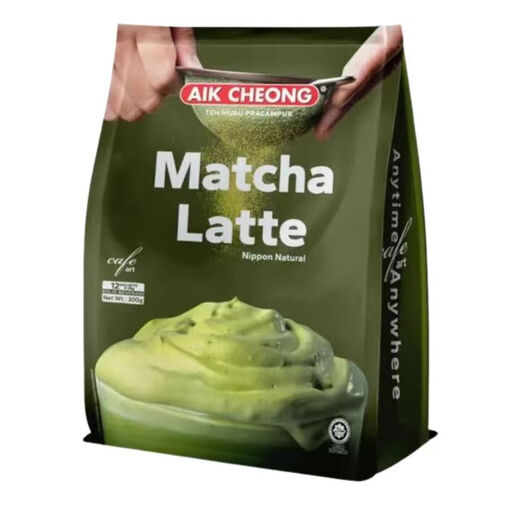 No image available
Twelve pre-portioned sachets intended for preparing an instant matcha latte with hot liquid. The mix contains matcha, milk powder and sugar and may contain traces of soy; check the pack’s allergen and caffeine information before use.
Choose a powder described for the drinks and recipes you regularly make, in a quantity you expect to use. Clearspring lists its Premium matcha in sizes up to 1kg and describes it for drinking and home baking; try its flavour before committing to that quantity. A small ceremonial pack is a different choice when drinking matcha with water is your priority.
Start with the preparation amount for the particular product and your usual number of servings. Clearspring gives a 1g example for its Premium powder, while JING Tea specifies 1.5g for a 160ml ceremonial serving and 2g for its latte preparation. Use the instructions for the product you actually buy rather than assuming every matcha uses the same measure.
Yes: check the powder measured into each serving and the caffeine information for your chosen product. Clearspring estimates approximately 32mg of caffeine per 1g of its Premium matcha. During pregnancy, the NHS advises no more than 200mg of caffeine a day from all sources.
No. Tesco advises that food products can be reformulated, so ingredients, nutrition and allergen details may change. Check the current listing and the label on the pack you receive.