Buyers stocking up on snacks
A larger pack can serve repeated snacking or sharing. Compare its protein and salt figures with how quickly the household will use it after opening.


For a ready-to-eat bulk snack, compare large peanut packs by protein and salt per 100g, then check whether you can use the pack soon after opening. Plain peanuts offer a different ingredient and salt profile from seasoned packs; a large peanut-butter jar makes more sense when you want a spread or cooking ingredient rather than whole nuts.
A larger pack can serve repeated snacking or sharing. Compare its protein and salt figures with how quickly the household will use it after opening.
If seasoning is not part of the appeal, check the ingredients and salt figure of plain peanuts or peanut butter rather than treating every peanut product as equivalent.
Consider storage instructions and everyone who may eat the product. Allergen declarations matter, and whole nuts must not be served to children under five.
Start with the product form you will use, then compare the exact pack’s nutrition panel, ingredients and post-opening instructions.
| Priority | What to check | Your needs |
|---|---|---|
| Protein | Compare protein per 100g on the exact product label; use per-serving figures when deciding how much you will eat. Tesco lists 30g per 100g for its KP Dry Roasted Peanuts 415g, while Sainsbury’s lists 24.9g per 100g for its 550g dry-roasted pack. | I want to compare the amount in the portion I will eat, not rely on a general claim about peanuts. |
| Salt and ingredients | Read the salt figure and ingredient list alongside protein. Sainsbury’s lists less than 0.01g salt per 100g for its plain Fairtrade peanuts, against 1.09g per 100g for its 550g dry-roasted pack. | If I snack on peanuts regularly, the difference between plain and seasoned products matters to my choice. |
| Product form | Check whether you need whole peanuts for snacking or peanut butter for spreading and cooking. Confirm the pack weight and serving information for the particular product. | A large jar works for my toast or recipes, but it does not replace a bowl of whole peanuts for sharing. |
| After opening | Follow the pack’s storage instructions. Sainsbury’s advises airtight storage and use within 7 days for the opened 550g dry-roasted pack; M&S advises eating its opened 1kg crunchy peanut butter within 4 weeks. | Can we use this amount within the product’s stated period after opening? |
| Allergens and serving | Check the current ingredients, allergen declaration and any ‘may contain’ statement. GOV.UK guidance says not to give whole nuts to children under five; chop or flake nuts, peanuts and seeds for young children. | I need to choose a product and serving form that suit everyone who might eat it. |
Seasoning and formulation affect the figures. Tesco lists 30g protein and 1.6g salt per 100g for its KP 415g dry-roasted peanuts; Sainsbury’s lists 24.9g protein and 1.09g salt per 100g for its 550g dry-roasted pack.
Compare both figures on the current label before choosing a pack for repeated snacking.
A large pack may not fit your routine once opened. Sainsbury’s and Tesco give 7-day post-opening instructions for the dry-roasted packs described here, while M&S gives 4 weeks for its 1kg crunchy peanut butter.
Choose a size and format you can use within its own storage guidance.
Ingredients and precautionary statements can differ between peanut products. The Food Standards Agency explains that ‘may contain’ labelling signals that an allergen could be unintentionally present.
In an allergy-affected household, read the ingredients, allergen declaration and precautionary statement on the exact pack each time.
These examples show how product form and labelling vary; each nutrition figure applies to the named product, not every item from that brand or retailer.
Its named peanut products offer a comparison between a 550g seasoned pack and a 100g plain pack.
The 415g dry-roasted peanut pack is a seasoned option for ready-to-eat snacking.
Tesco’s listing provides nutrition and storage information for the KP Dry Roasted Peanuts 415g product described above.
Its 1kg 100% Crunchy Peanut Butter is an ingredient or spread option rather than a whole-nut snack.
These options cover unsalted roasted peanuts, seasoned dry-roasted peanuts and a large peanut-butter jar. Compare the exact pack details before deciding which format fits your household.
 No image available
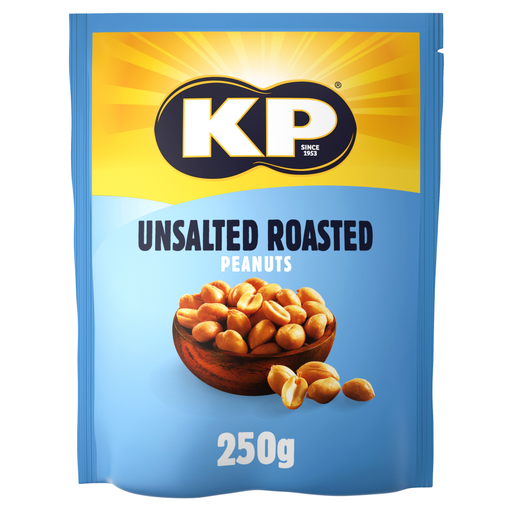
An unsalted roasted option if you prefer peanuts without dry-roasted seasoning. The 250g pack is smaller than the larger snack packs discussed above; check its current ingredients and storage instructions.
 No image available
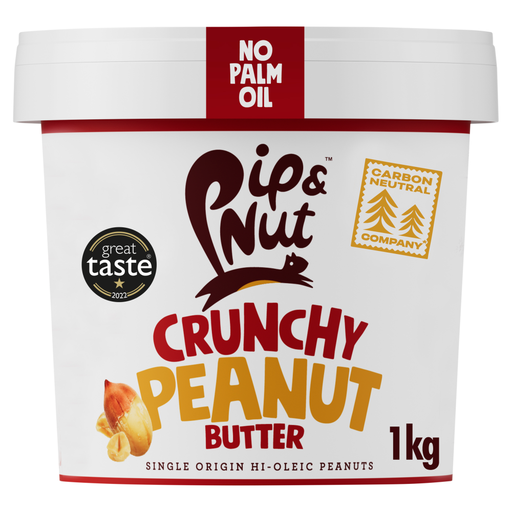
A 1kg jar for spreading or cooking rather than whole-nut snacking. Check the jar’s nutrition, allergen and post-opening instructions if you plan to use it gradually.
 No image available
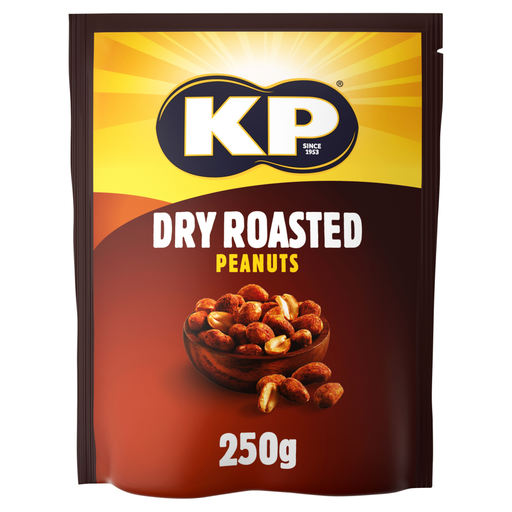
A seasoned, ready-to-eat option in a 250g reclose pack. If it will be a regular snack, compare its salt and ingredients with an unsalted option and follow the pack’s storage directions.
 No image available
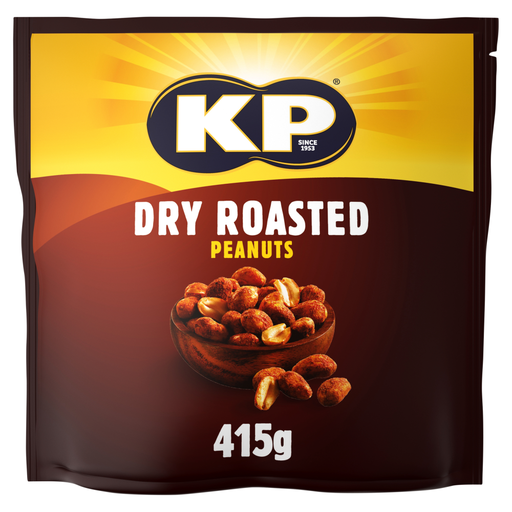
A larger seasoned snack pack. Joybuy lists 27.7g protein and 1.3g salt per 100g for this SKU, and its ingredient excerpt includes wheat flour; check the current pack if allergens or nutrition figures affect your choice.
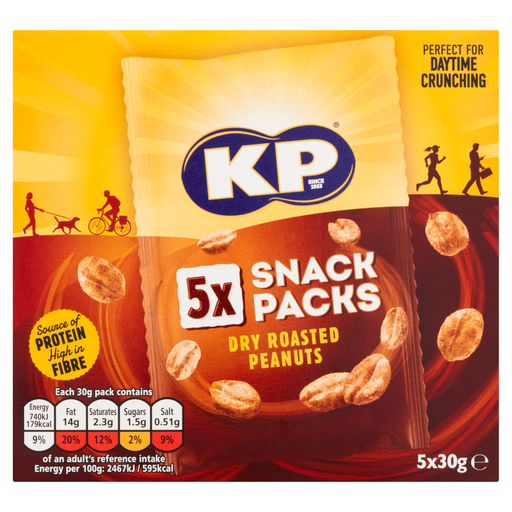 No image available
Consider this seasoned peanut option if you need a larger quantity, but confirm the pack weight and format on the product page before ordering. Check the current salt figure, allergens and storage instructions for the pack supplied.
They can be if the product form, pack size and label suit your use. Sainsbury’s lists 24.9g protein per 100g for its 550g dry-roasted peanuts, while Tesco lists 30g per 100g for its KP 415g dry-roasted pack; compare salt and post-opening instructions as well as protein.
Choose by the ingredients and flavour you want, then compare the exact labels. Sainsbury’s plain Fairtrade peanuts list peanuts as the ingredient and less than 0.01g salt per 100g; its seasoned 550g dry-roasted peanuts list 1.09g salt per 100g. The named plain pack is 100g, so it serves a different bulk-buying need.
Follow that product’s instructions rather than applying one period to all peanuts. Sainsbury’s advises airtight storage and consumption within 7 days for best quality for its opened 550g dry-roasted pack; Tesco gives 7 days for the KP 415g pack, while M&S gives 4 weeks for its opened 1kg crunchy peanut butter.
No. GOV.UK guidance says whole nuts should not be given to children under five and advises chopping or flaking nuts, peanuts and seeds.
The Food Standards Agency explains that precautionary wording such as ‘may contain’ communicates that an allergen could be unintentionally present. If someone in the household has a relevant allergy, read both the ingredients and the precautionary statement on the exact pack.