
24/7 Customer Support

Free returns

Same-day & Next-day Delivery

Quality Guaranteed

Unlock Your Welcome Offers: FREE Delivery | Up to 80% OFF | Free 30-day JoyPlus trial
Download the APP
For any frequent home cook or small food business in the UK, a bottle of soy sauce is as essential as salt and pepper. When you use it regularly, buying bulk soy sauce makes perfect sense for both convenience and value. However, the market is filled with options, and choosing the wrong large soy sauce can lead to disappointing meals and wasted money.
Before you buy soy sauce online UK, it's important to understand a few common traps. Many shoppers fall for them, only to end up with a litre or more of a condiment that doesn't suit their cooking.
To ensure you get the right product, focus on these three core parameters. They are far more important than marketing slogans or flashy packaging.
Understanding the fundamental difference between the main types of Chinese soy sauce is crucial.
The production method directly impacts the flavour.
For health-conscious households or for catering soy sauce where consistency is key, checking the nutritional information is vital.
Here are a few options from our catalogue, matched to different user needs and preferences.

Why This Fits Their Persona: This is a reliable, versatile choice for those who cook a variety of cuisines. Its balanced flavour works well in everything from Japanese marinades to Chinese stir-fries and even as a seasoning for Western stews. The 1.9L size is perfect for a family that uses soy sauce several times a week.
It's naturally brewed from just four ingredients, avoiding the harsh taste of chemically produced sauces. Its all-purpose nature means you won't get stuck with a sauce that's only good for one type of dish.
Naturally brewed for a complex umami flavour. Contains no artificial additives, colours or preservatives.
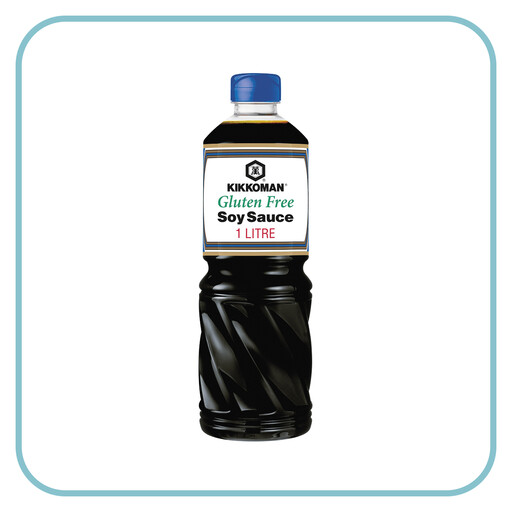
Why This Fits Their Persona: This is the ideal choice for anyone needing a gluten-free option without sacrificing flavour. It's a high-quality tamari that can be used in exactly the same way as regular soy sauce, ensuring no one has to miss out. The 1L bottle provides a good supply for regular use.
It directly solves the pitfall of accidentally buying a wheat-containing soy sauce. As a certified gluten-free product, it provides peace of mind and prevents waste for households with specific dietary needs.
Certified gluten-free, vegan and halal. Brewed with only four ingredients: water, soybeans, salt and spirit vinegar.
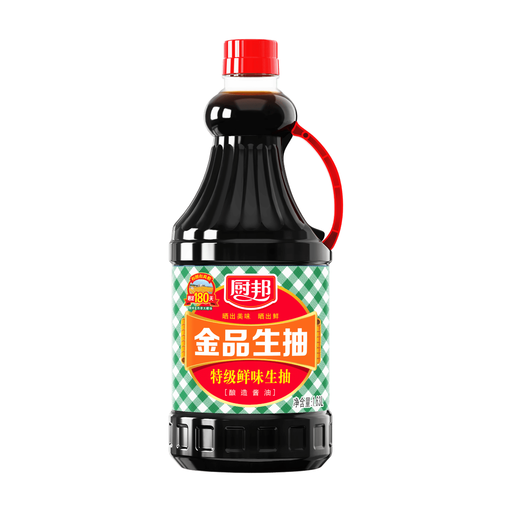
Why This Fits Their Persona: For a small takeaway, a pop-up food stall, or a large family that gets through condiments quickly, this large 1.63L bottle offers excellent value. It's a solid, dependable light soy sauce that delivers the required savoury flavour for a wide range of cooking applications.
While being economical, it comes from an established condiment brand, offering a more reliable and balanced flavour profile than generic, unbranded bulk options. This avoids the "bigger is cheaper" trap by providing good quality for the price.
Large 1.63L economy size for high-volume use. A versatile light soy sauce suitable for stir-fries, marinades and dipping.
We have compiled a complete, real-time list of products that fully satisfy these strict selection criteria and UK safety regulations.
Once opened, a large bottle of soy sauce can last for a very long time due to its high salt content, which acts as a natural preservative. For the best flavour and quality, it is generally recommended to use it within one year. Storing it correctly will help preserve its taste.
While it is not strictly necessary to refrigerate soy sauce, it is highly recommended. Storing it in the refrigerator after opening helps to preserve its flavour and aroma, which can degrade over time when exposed to heat, light and air. At a minimum, keep it in a cool, dark cupboard away from the cooker.
It is not advisable to use them interchangeably. Using dark soy sauce in place of light soy sauce will make your dish much darker and sweeter, but not as salty as intended. Conversely, using light soy sauce instead of dark will add saltiness but will not provide the rich colour and depth that a recipe calls for. It's best to have both in your pantry if you cook a variety of Asian dishes.