
24/7 Customer Support

Free returns

Same-day & Next-day Delivery

Quality Guaranteed

Unlock Your Welcome Offers: FREE Delivery | Up to 80% OFF | Free 30-day JoyPlus trial
Download the APP
For anyone serious about improving their daily coffee, moving from pre-ground to freshly ground beans is the single biggest step you can take. A quality burr coffee grinder is the tool that unlocks this potential, delivering consistent grounds for a richer, more flavourful cup. However, the market is filled with confusing claims and features that don't always translate to better coffee.
As a Joybuy Product Recommendation Officer, my role is to help you navigate these choices. We'll look past the marketing clutter and focus on what truly matters, helping you avoid common purchasing pitfalls that many UK buyers fall into.
Before you spend your money, be aware of these overhyped features and hidden flaws:
To make a sound choice, focus on these three non-negotiable parameters.
The defining feature of a good grinder is its burr set. Most consumer models use a conical burr grinder system, where a cone-shaped inner burr rotates within a ring-shaped outer burr. This design is efficient and produces consistent grounds with minimal heat.
However, the key to consistency is burr stability. Look for grinders that specify features like:
A stable burr set is what separates a grinder that produces flavourful, balanced coffee from one that creates a bitter, muddled brew.
The ability to change your grind size is essential for different brewing methods. An adjustable coffee grinder will typically use one of two systems:
Your lifestyle will determine whether a manual or electric model is right for you.
Here are a few options that align with different user needs, selected based on their ability to deliver on core performance without falling into common traps.

Why This Fits Their Persona: For those who travel for work or pleasure and refuse to settle for hotel coffee, this grinder offers electric convenience in a compact form. It's small enough for a carry-on but robust enough for daily use at a remote office or campsite.
It directly counters the "portability vs. quality" trap. The full metal body and triple coaxial alignment system with dual bearings provide the stability needed for consistent grinding, a feature often missing in portable models.
One-touch electric operation and Type-C recharging offer maximum convenience. The point-adjust grind control is straightforward for switching between espresso and pour-over.
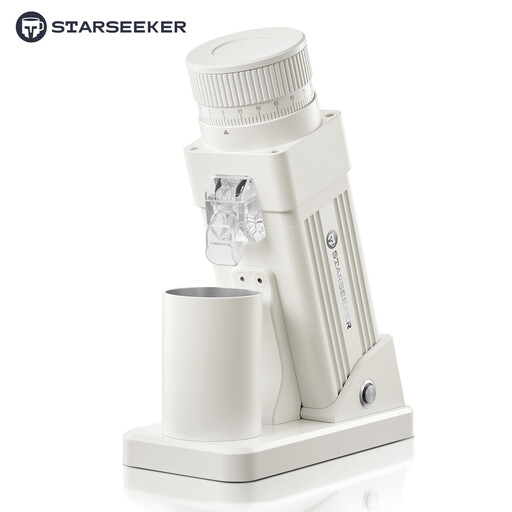
Why This Fits Their Persona: This user is chasing the perfect espresso shot at home. They need precision, power and consistency to work with their espresso machine. This grinder is built for that specific, demanding task.
It sidesteps the "more settings" trap by providing true stepless adjustment. This allows for the infinite micro-adjustments required to properly dial in an espresso shot, which is far more valuable than a high number of fixed steps.
The large 55mm titanium alloy conical burrs and powerful 72W AC motor provide the torque and consistency needed for fine espresso grinding without stalling or overheating. It's a professional-grade tool for the home barista.
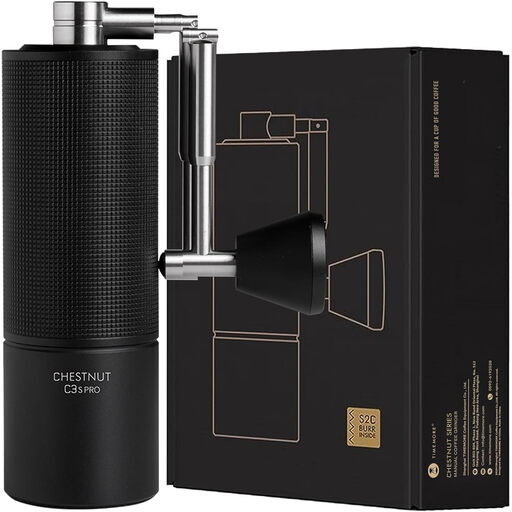
Why This Fits Their Persona: This user enjoys the ritual of making coffee. They value tactile control, portability and high-quality results without the noise or cost of an electric grinder. It's perfect for pour-over, AeroPress or French press at home or on a camping trip.
This model proves that manual grinders can be premium. It avoids the "cheap portable" trap with a robust all-aluminium body, a dual-bearing central axis and CNC-machined stainless steel burrs, providing exceptional stability and grind consistency.
It offers precise, repeatable stepped adjustment suitable for a wide range of brew methods. The foldable handle and compact, durable body make it an excellent long-term investment for both home and travel.
We have compiled a complete, real-time list of products that fully satisfy these strict selection criteria and UK safety regulations.
1. How long should a quality burr grinder last? The lifespan of a burr coffee grinder depends on the burr material and motor quality. Stainless steel burrs in a typical home-use grinder can last for several years (grinding hundreds of kilograms of coffee) before showing signs of wear. Models with harder, titanium-coated burrs can last even longer. For electric grinders, the motor is also a key factor; look for models from reputable brands with good warranties. A well-maintained manual grinder can last for a decade or more.
2. Is a manual coffee grinder worth the effort? For many, yes. A modern, high-quality hand coffee grinder is surprisingly efficient. Grinding 15-20 grams of coffee for a single cup typically takes less than a minute of light effort. The trade-off for this small amount of work is silence, portability and a level of grind consistency that often surpasses electric grinders at a similar price point.
3. How can I reduce static and clumping when grinding coffee? Static is a common issue, especially in dry winter months. It causes coffee grounds to cling to the grinder and create a mess. A simple and effective technique is the Ross Droplet Technique (RDT). Lightly mist your beans with a tiny spritz of water from a small spray bottle before pouring them into the grinder. This minimal amount of moisture dramatically reduces static without affecting the burrs or the flavour of your coffee.