Cafetiere-first daily brewers
If a cafetiere is your main brewing method, look for a documented coarse range and a setting you can return to. Sage Appliances UK describes coarser grounds as suited to longer brewing methods such as French press.


Choose a burr grinder whose stated range includes a coarse French press or cafetiere setting. If you also make other types of coffee, check that the exact model covers those methods; otherwise, focus on a repeatable coarse setting and the features that matter in your daily routine. For an electric grinder, confirm that the version you order suits your electrical supply.
If a cafetiere is your main brewing method, look for a documented coarse range and a setting you can return to. Sage Appliances UK describes coarser grounds as suited to longer brewing methods such as French press.
If you also make filter coffee, cold brew or espresso, check the stated range for each method rather than relying on the word “burr”. Baratza, for example, identifies separate espresso and coarser-brew ranges for its Encore ESP.
If you grind early or want a tidier, more repeatable routine, noise-reduction features, automatic stopping or dose weighing may matter. Confirm the coarse brewing range before choosing among those extras.
Start with the exact grinder’s stated French press or coarse-brew range. Then decide whether you need one grinder for several brew methods or features that make regular use easier.
| Concern | What to check when buying | Who this matters to |
|---|---|---|
| Coarse cafetiere range | Check the exact model’s official guidance for French press, cafetiere or a comparable coarse-brew setting. Keep a note of the setting that works for your beans and recipe. | If I mainly make cafetiere coffee, I want a coarse setting I can find again rather than adjustment aimed only at espresso; around 44% of consumers put that need first. |
| Other brew methods | Check the stated range for each method you plan to use, particularly if espresso is one of them. | When my household also makes espresso, filter coffee or cold brew, one grinder needs a documented range for those methods. Around 33% of consumers prioritise that flexibility. |
| Daily workflow | After confirming the coarse range, consider the model’s noise-reduction design, automatic stopping, grounds handling or dose-weighing features. | Grinding in a shared kitchen makes noise and mess part of my daily decision; for around 23% of consumers, a manageable routine is the primary concern. |
A burr mechanism alone does not tell you whether the exact grinder has a range intended for cafetiere coffee.
Check the model’s manual or official product page for French press, cafetiere or comparable coarse-brew guidance before choosing it.
A setting count does not show where the cafetiere range sits, and stepped and stepless controls work differently. Baratza publishes numbered brewing ranges for the Encore ESP, while Eureka specifies stepless adjustment for the Mignon Filtro.
Use guidance for your particular model, then record the position that works for your beans and dose instead of copying another grinder’s dial number.
Fellow’s Ode Gen 2 listing describes a 120 V version. The Health and Safety Executive advises checking that electrical equipment is suitable for the supply to which it will be connected.
Confirm the exact unit’s voltage, plug and market documentation. A plug adaptor does not establish voltage compatibility.
Noise-reduction design, weighing and automatic features may change how a grinder fits your routine, but none establishes that it reaches a cafetiere setting.
Confirm coarse-brew suitability first. Then choose the features that address a specific inconvenience in your kitchen.
These product lines illustrate different ways to cover cafetiere brewing; their features do not establish how every grinder from the same brand performs.
The Encore ESP is relevant if you want one grinder for cafetiere coffee and other methods, including espresso.
The Uniform+ is a flat-burr option for people who want a broad stated brewing range and integrated dose weighing.
The Mignon Filtro line is relevant if you prefer a filter-focused grinder with stepless adjustment.
The Ode Gen 2 is a brew-focused design for methods including French press, rather than espresso.
These manual and electric grinders are described for French press grinding. Compare how you prefer to grind, any stated batch capacity and the requirements of the exact electrical version before choosing for your cafetiere.
 No image available
Consider this rechargeable grinder if you want electric grinding away from a fixed kitchen position and a stated range reaching French press. Its title lists 30 settings and automatic stopping. For repeated brews, check the consecutive-batch guidance and confirm that the charging equipment suits your setup.
 No image available
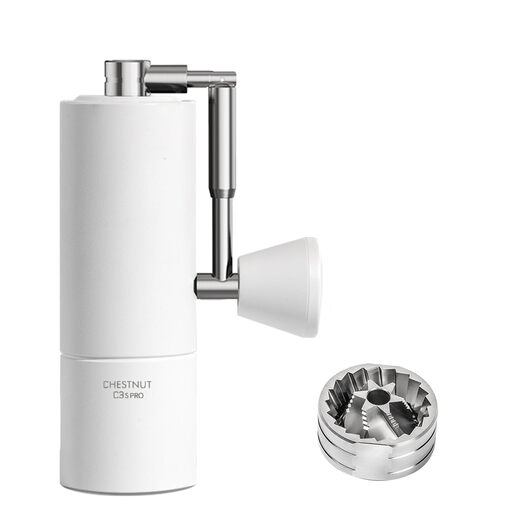
This hand-operated grinder is worth considering if you are comfortable grinding manually and want an adjustable range described as reaching French press. It has an S2C stainless-steel conical burr and a foldable handle. Check whether its stated 30 g bean capacity covers your usual cafetiere batch.
 No image available
Consider this electric model if your household makes cafetiere coffee alongside finer-grind brews. Its title specifies a conical burr and 60 grind settings, while the listing describes a range from espresso to French press. Confirm the electrical rating and documentation for the exact unit before ordering.
 No image available
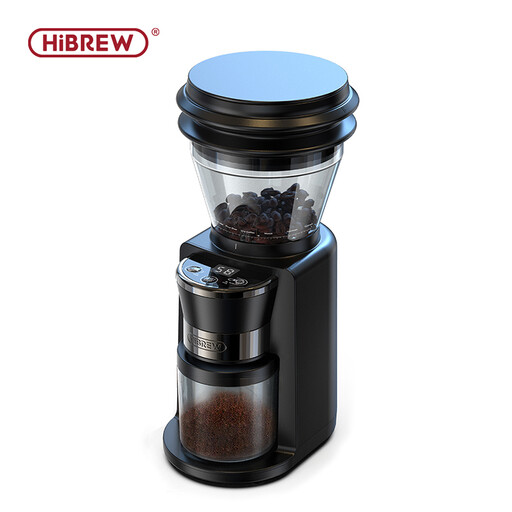
This electric grinder is described for coarse French press use and may suit a routine where container capacity matters. Its title lists a 34-gear adjustment scale, a 48 mm conical burr, a 210 g bean container and a 100 g grounds container, plus an anti-static function. Follow the product’s operating and cooling instructions during repeated use.
 No image available
Consider this portable electric model if rechargeable operation fits your cafetiere routine; its listing describes adjustment from espresso to coarse French press. The title specifies one-touch operation, Type-C charging and a 1000 mAh battery. Check the amount it can grind for your usual batch and the charging equipment for the unit you order.
Start within your grinder’s stated coarse or French press range, then adjust to suit your coffee and the amount of sediment you prefer. Sage Appliances UK describes coarser grounds as suited to longer brewing methods such as French press; use your model’s guidance for a starting position rather than another grinder’s dial number.
No: a documented coarse range is the priority if you only make cafetiere coffee. Espresso capability matters if you plan to use the same grinder for espresso too. Baratza specifies separate espresso and French press ranges for the Encore ESP, whereas Fellow states that the Ode Gen 2 is not intended for espresso.
A plug adaptor alone does not establish that the grinder suits your electrical supply. Check the rating plate, voltage and plug for the exact unit: Fellow’s cited Ode Gen 2 listing specifies 120 V, and the Health and Safety Executive advises using electrical equipment suitable for the supply to which it is connected.
Check the marking and documentation applicable to the exact product rather than relying on a listing image. GOV.UK guidance for Great Britain explains that CE marking continues to be recognised alongside or in place of UKCA marking under applicable regimes, and that electrical equipment placed on the Great Britain market must meet the Electrical Equipment (Safety) Regulations 2016. Check the seller’s documentation and applicable requirements for a Northern Ireland purchase separately.