Cafetiere-only afternoon brewer
You regularly make cafetiere coffee and want a coarse setting you can use again, rather than adjustment designed chiefly for espresso.


Choose a burr grinder with a documented coarse setting for cafetiere coffee and an adjustment you can return to easily. A brewed-coffee-focused model makes sense if you do not need espresso, while a wider grind range is useful if you expect to make other styles of coffee. For a manual grinder, allow for hand-grinding effort; for an electric one, check the exact version’s mains rating and supplied plug.
You regularly make cafetiere coffee and want a coarse setting you can use again, rather than adjustment designed chiefly for espresso.
You want grinding a dose of beans to fit into an afternoon break, so simple controls and a manageable cleaning routine matter.
You use a cafetiere but also make, or expect to make, other styles of coffee. The grinder’s stated range needs to cover each method you intend to use.
Start with an explicitly documented cafetiere or French-press setting. Then decide whether your priority is a quick routine or a grinder that also covers other brewing methods.
| Concern | What to check | Who this matters to |
|---|---|---|
| Repeatable coarse grind | Look for an explicitly stated French-press, cafetiere or coarse range, and an adjustment you can return to. | If my cafetiere is the only method I use, I want to find a coarse setting that suits my coffee and repeat it next time. Around 42% of consumers would put that need first. |
| Low-fuss routine | Consider how you will dose the beans, operate the grinder and clean it after use. | When an afternoon break is short, I want fresh grinding to fit into the routine without much setup. Roughly 33% of consumers would make ease of use their primary concern. |
| Other brewing methods | Check that the exact model states a suitable range for each method you expect to use; do not assume burrs or numerous settings imply espresso capability. | If I also plan to make espresso or filter coffee, I need one grinder whose stated range covers those methods as well as a cafetiere. About 25% of consumers would prioritise that flexibility. |
A long adjustment scale does not, by itself, show that a grinder reaches a useful coarse setting. For cafetiere coffee, the stated brew range matters more than the setting count.
Check the exact model’s guidance for French press, cafetiere or coarse brewing, then note the setting that suits your beans.
Electrical Safety First identifies the UK supply as 230 V at 50 Hz. A similar-looking model sold for another market may have a different electrical rating or plug.
Before buying an electric grinder, check its rating and supplied plug for the intended UK socket. A travel adaptor does not change the voltage.
The UK Office for Product Safety and Standards reported a high risk of injury from an accessible rotating blade on coffee grinder model JJ-668 in 2026. That finding concerns the named model, not every grinder sold online.
Choose a traceable seller, inspect the exact product details and check the UK product-safety alerts service if a model raises concerns.
Fine-grind adjustment and espresso accessories serve a different brewing need; they do not replace a documented coarse range.
Choose espresso capability if you expect to use it. Otherwise, compare grinders on their stated suitability for the brewing methods you actually make.
These product lines illustrate different grind ranges and workflows; check the specifications of the particular model and version you are considering.
Baratza’s UK range includes the Encore and the Encore ESP, both with stated ranges extending to coarse brewing.
Fellow positions the Ode Brew Grinder Gen 2 for brewed coffee, including French press, rather than espresso.
Wilfa’s Uniform Evo Solo is presented as an adjustable grinder covering coarse French-press use alongside finer methods.
The Niche Zero is a single-dose option with stepless adjustment across brewing methods.
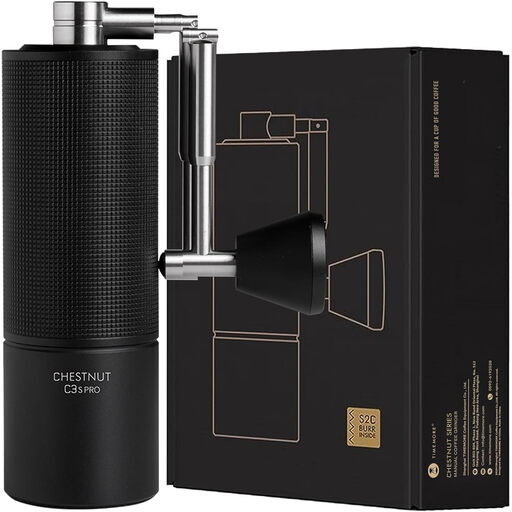
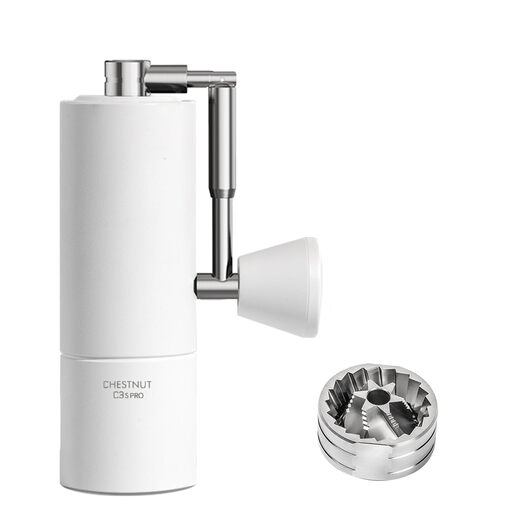
These two TIMEMORE Chestnut C3S Pro variants are manual grinders with a stated French-press range. They are worth considering if hand grinding fits your afternoon routine; check the capacity and features of the particular variant before choosing.
 No image available
Consider this manual variant if you want to grind a small dose for a cafetiere and are comfortable turning the handle.
The listing names a 25 g bean container, conical burrs and a foldable handle. Check that the container holds the amount you normally grind for one cafetiere.
 No image available
This manual variant is an option if you want a stated adjustment range from espresso to French press and do not mind hand-grinding a dose.
Its title specifies S2C conical burrs and a foldable handle. Check the cleaning guidance and bean capacity against your usual cafetiere routine.
Start with a coarse setting and adjust it gradually to suit your coffee. Sage Appliances UK explains that coarser grounds suit longer brewing methods such as French press; note the setting you prefer so you can return to it.
No, not if a cafetiere is the only method you intend to use. Look instead for a documented coarse or French-press range; espresso capability becomes relevant if you expect to make espresso as well. Fellow, for example, positions its Ode Gen 2 for brewed coffee rather than espresso.
Check the exact grinder’s electrical rating and supplied plug before purchase. Electrical Safety First identifies the UK supply as 230 V at 50 Hz, and the intended socket requires a suitable plug; do not assume that a model name identifies its market-specific electrical version.