Decaf espresso drinkers
If decaf espresso is your main drink, look for an espresso-capable grinder with enough adjustment to dial in different coffees. Consider a wider grind range if you also make filter coffee.


Choose a burr grinder for decaf by the coffee you make: espresso calls for a model with fine adjustment, while a filter-only routine does not require espresso capability. If you regularly alternate decaf and caffeinated beans, consider single-dose grinding and accessible cleaning, but do not assume that low retention eliminates old grounds or the need to adjust the grind for each coffee.
If decaf espresso is your main drink, look for an espresso-capable grinder with enough adjustment to dial in different coffees. Consider a wider grind range if you also make filter coffee.
If you alternate beans frequently, weighing each dose and checking how easily you can clear retained grounds may matter more than keeping beans in a hopper.
If you mainly make pour-over, drip, batch brew or French press, a grinder intended for brewed coffee may cover your routine without needing an espresso range.
Start with the brew method, then decide how often you will change beans and how much cleaning and dose control your routine calls for.
| Concern | What to check | Who this matters to |
|---|---|---|
| Grind range | Check the exact model’s stated brew range and whether it offers fine adjustment for espresso. Fellow describes Ode Gen 2 as a brewed-coffee grinder, not an espresso grinder. | If I make decaf espresso, I need a grinder intended for that method; a filter-only range would not fit my routine. Roughly 36% of consumers would put brew-method fit first. |
| Bean switching | Look at the single-dose workflow and how to clear the burr chamber and chute; a low-retention claim is not a promise of no carry-over. | When I alternate decaf and caffeinated beans, I want to limit grounds left from the previous dose. Around 29% of consumers would make switching their primary concern. |
| Cleaning access | Check how the burr chamber and chute are accessed and follow the maker’s cleaning instructions, particularly if you use oily, dark-roast coffee. | If my decaf leaves oily residue, I want a cleaning routine I can keep up with. About 21% of consumers would prioritise maintenance. |
| Dosing and support | Compare the exact model’s dosing controls, warranty terms and route to spare parts or support. | If I value repeatable doses and plan to keep a grinder for years, its controls and after-sales arrangements affect my choice. Roughly 14% of consumers would put these ownership needs first. |
A filter-focused model may not be intended for espresso. Fellow explicitly describes Ode Gen 2 as not espresso-capable.
Decide whether you will make espresso before comparing other features, and check the exact grinder’s stated brew range.
Grounds can remain when you change between decaf and caffeinated coffee. Niche Coffee describes a low-retention workflow for Niche Zero, while Baratza’s cleaning guidance notes that particles and oils can accumulate in a grinder.
If carry-over matters to you, weigh separate doses and purge or clean as needed, following the grinder maker’s instructions.
Baratza says oils and fine particles can build up in the grind chamber and chute, affecting consistency and increasing clog risk; darker roasts may call for more frequent cleaning.
Check how to reach the burrs and chute, and plan to brush the grinder as its instructions recommend.
Plug and voltage specifications can depend on the version offered. Niche Coffee, for example, specifies a G-type plug and 220–240 V for its UK Niche Zero.
Before ordering an electric model, confirm the exact listing’s plug, voltage, conformity information and applicable warranty terms with the seller.
The Encore ESP is worth examining if decaf espresso is your main use but you also make brewed coffee.
Niche Zero is relevant if you weigh individual doses and regularly switch between decaf and caffeinated beans.
Uniform Evo offers a stated range extending from coarse grinding to espresso for buyers comparing several brewing methods.
Fellow’s grinder ranges illustrate why a filter-decaf buyer and an espresso drinker may need different models.
These grinders cover stated espresso and pour-over or French press uses, with electric, portable and manual options. Compare each model’s brew range and upkeep with the way you make decaf; the selection does not establish how much coffee any model retains.
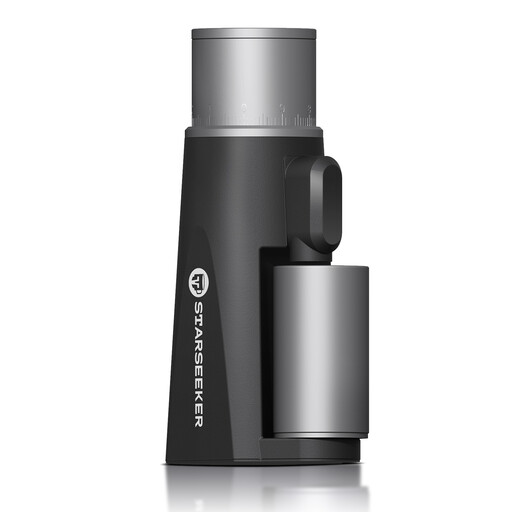 No image available
Consider this portable electric model if you make both decaf espresso and pour-over; those methods and its conical burrs are stated in its name.
The listing cautions against grinding oily, flavoured or wet beans, so check that restriction against the coffee you intend to use. Confirm the electrical specifications for the version offered.
 No image available
Consider this portable model if you want to grind decaf for espresso as well as French press. Its name specifies 30 settings across those methods.
The listing warns against more than 13 consecutive batches, or six espresso batches, without a break. Check the electrical specifications for the version offered.
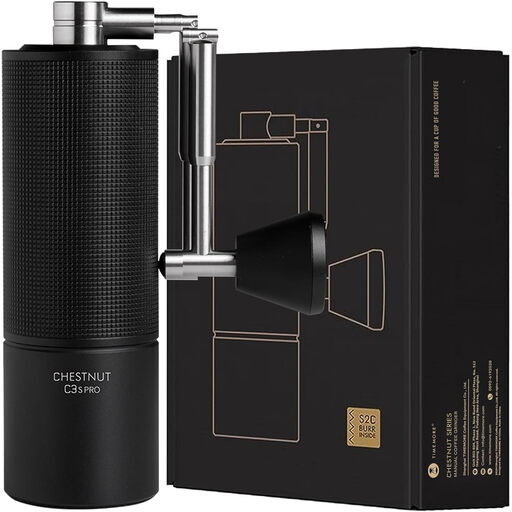 No image available
Consider this manual grinder if compact storage and grinding individual decaf doses suit your routine. Its stated distinguishing features include a foldable handle and a 25 g bean container.
The listing advises brushing disassembled parts and keeping water off the burrs and body; check its stated adjustment range against your brew method.
 No image available
Consider this conical-burr model if you want a stated choice of settings while preparing different decaf brews. Its name specifies 60 grind settings.
Check how to access and clean the burrs and chute, along with the electrical specifications of the version offered.
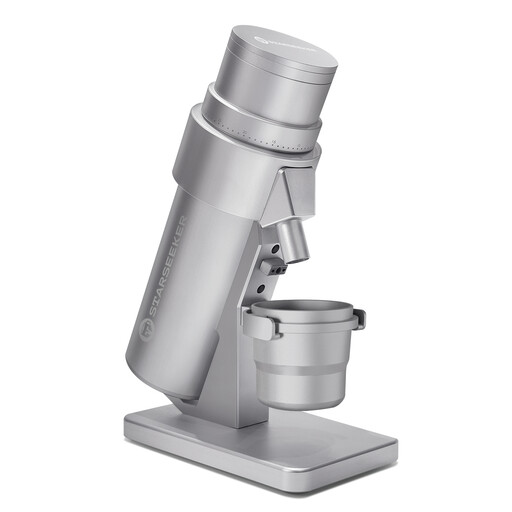 No image available
Consider this model if you are comparing grinders presented for both decaf espresso and pour-over. Its name states 63 mm burrs and identifies it as an electric grinder.
Before choosing it, check the adjustment range, dosing routine, cleaning access and electrical specifications for the exact version offered.
Choose the grinder by brew method and routine rather than looking for a decaf-only design. Check espresso capability if you make espresso, and consider retained grounds and cleaning access if you switch between decaf and caffeinated beans.
Yes, if the exact model is intended for both methods. Baratza assigns Encore ESP settings 1–20 to espresso and 21–40 to filter, French press and cold brew; Fellow says its Ode Gen 2 is for brewed coffee and is not espresso-capable.
Follow the model’s manual and clean the areas where grounds collect. Baratza advises brushing residue from the burr chamber and chute and notes that darker, oilier roasts may require more frequent cleaning.
Confirm the exact version’s voltage, plug and conformity information before ordering. For comparison, Niche Coffee specifies a G-type plug and 220–240 V for its UK Niche Zero; check the specifications of the model and seller you actually choose.
Compare the warranty terms, spare-parts access and support route for the exact model and seller. Wilfa states a five-year warranty for Uniform Evo, while Baratza provides UK product-support and spare-parts information.