
24/7 全天候客户支持

免费退货

当日/次日达

品质保障

开启新人专享福利: 全场免邮 | 低至 2 折 | 免费试用 30 天 JoyPlus 会员
下载 Joybuy
That sinking feeling when you spot a new water stain on the ceiling or a persistent drip from a window frame is all too familiar. Your first instinct is to find a quick, reliable fix. You reach for a sealing tape, but not all tapes are created equal. Many promise an instant, permanent solution, only to fail after a single season of British weather, leaving you back where you started, but with more damage and less money.
As a Joybuy Product Recommendation Officer, my role is to help you see past the marketing jargon. Before you buy another roll of tape that disappoints, let's look at the common pitfalls that lead to wasted effort and recurring leaks.
roof leak repair or on caravans.To ensure your repair lasts, you need to look beyond the sales pitch and focus on a few core parameters. These are the non-negotiable features that separate a temporary patch from a long-term solution.
The heart of any quality waterproof sealing tape is its core material. Look for products made from pure butyl rubber. Unlike cheaper synthetic blends, pure butyl provides superior, lasting adhesion and remains flexible over time.
Equally important is the backing material. A heavy duty butyl tape will feature a reinforced backing, often an aluminium foil tape layer. This foil serves two critical functions: it provides a robust physical barrier against punctures and abrasion, and it offers excellent protection against UV radiation and extreme temperatures, preventing the tape from degrading when exposed to the elements.
The UK climate is unpredictable. A repair tape must be able to withstand everything from freezing winter nights to summer heatwaves. Check the product's specified operational temperature range. A reliable tape should perform consistently in temperatures from -40°C to 80°C. This ensures it won't become brittle and crack in the cold or melt and lose its bond in the heat. This is especially crucial for outdoor applications like RV repair tape or EPDM roof patching.
Size is not a one-size-fits-all specification. The width and thickness of the tape should match your specific task.
window sealing tape or sealing a minor crack in a pipe, a narrower tape (e.g., 50 mm) offers more control. For larger areas, such as a seam on a caravan roof or a significant crack in a felt roof, a wider tape (e.g., 100 mm) provides better coverage and a more secure seal with fewer joints.Based on these practical criteria, we've matched some products to the people who need them most.
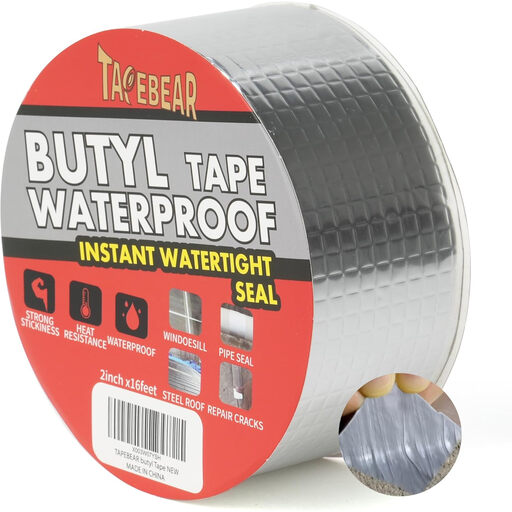
Why This Fits Their Persona: This 50 mm wide roll is perfect for the homeowner tackling occasional repairs like a leaking gutter, a draughty window frame or a cracked plastic watering can. It's easy to handle and store for those unexpected small jobs.
Its pure butyl rubber composition provides strong, flexible adhesion that conforms to awkward shapes, avoiding the inflexibility flaw of rigid tapes.
Versatile for use on metal, wood and concrete. The aluminium foil backing ensures it withstands outdoor exposure without cracking.
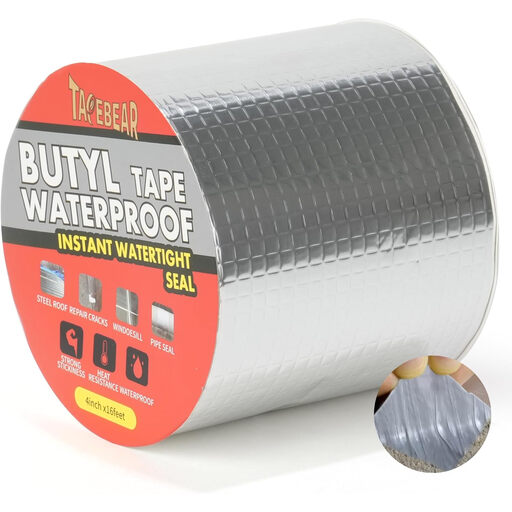
Why This Fits Their Persona: The 100 mm width is ideal for sealing larger seams on caravan roofs, awnings, or for performing a durable `boat sealing tape` repair. It provides ample coverage for areas exposed to movement and vibration.
Its reinforced PET aluminium foil backing and anti-aging film directly counter the UV degradation trap, ensuring the seal doesn't become brittle and fail after a summer on the road or water.
Excellent wide temperature resistance (-40°C to 80°C) and a strong, flexible bond suitable for fibreglass, metal and EPDM roofing.
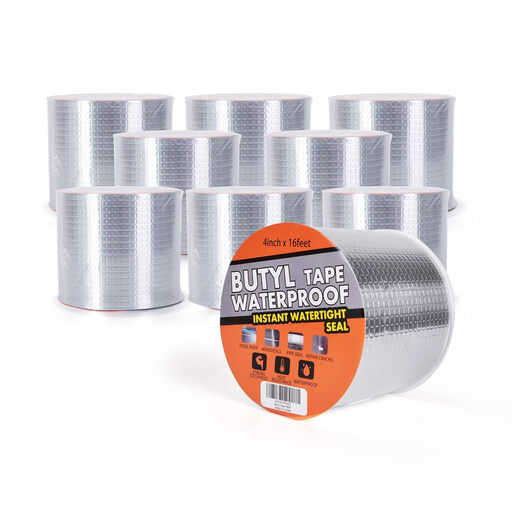
Why This Fits Their Persona: For roofers, plumbers or maintenance technicians, this bulk pack offers excellent value and ensures a ready supply of reliable, wide-format tape for multiple jobs, from `pipe sealing tape` applications to large-scale roof repairs.
It avoids the adhesion myth by providing a consistent, professional-grade pure butyl rubber that bonds reliably to properly prepared surfaces, reducing callbacks and ensuring client satisfaction.
Multi-pack value provides a cost-effective stock for frequent use. The wide 100 mm format is versatile for a range of professional repair scenarios.
While butyl tape is an excellent solution for sealing and repairs, sometimes a persistent leak points to a more fundamental issue. If you are considering a full replacement for older, failing frames, we have compiled a complete list of products that satisfy strict selection criteria.
The lifespan of a butyl tape repair depends heavily on the surface preparation and environmental conditions. When applied correctly to a clean, dry surface, a high-quality tape with a UV-resistant aluminium backing can last for many years, maintaining its flexibility and waterproof seal through changing seasons.
No. For a permanent and reliable bond, butyl tape must be applied to a surface that is completely clean and dry. Applying it to a wet or dirty surface will trap moisture and debris underneath, preventing the adhesive from creating a proper seal and leading to eventual failure. Always ensure the area is thoroughly prepared before application.
One of the main advantages of butyl tape is its versatility. It is designed to adhere strongly to a wide variety of materials, including metal, glass, wood, concrete, fibreglass, plastic and roofing materials like EPDM and tile. This makes it a suitable solution for a vast range of repair jobs around the home, caravan or boat.