
24/7 Customer Support

Free returns

Same-day & Next-day Delivery

Quality Guaranteed

Unlock Your Welcome Offers: FREE Delivery | Up to 80% OFF | Free 30-day JoyPlus trial
Download the APP
The sight of a vibrant orange drink in a large wine glass has become synonymous with British summertime, garden parties and the pleasant ritual of an evening aperitif. That drink is almost certainly an Aperol Spritz. But with the rising popularity of the aperitivo culture, the market is filled with various orange-hued liqueurs and pre-mixed options. Navigating this can be tricky, and it's easy to make a purchase that doesn't quite deliver the authentic experience you're looking for.
As a Joybuy Product Recommendation Officer, my role is to help you understand the key details that matter. Before you decide to buy Aperol 700ml or a similar-looking bottle, let's look at the common pitfalls that can lead to a disappointing drink and how to choose wisely.
To ensure you get the authentic taste for your gatherings, focus on these two non-negotiable factors. They are the difference between a perfect spritz and a lacklustre imitation.
The signature taste of Aperol comes from a recipe that, according to the brand, has remained unchanged since 1919. It's a carefully guarded infusion of botanicals including bitter and sweet oranges, rhubarb and a variety of herbs and roots like gentian.
The purpose of an aperitif is to be a light, refreshing drink to enjoy before a meal. The alcohol content is central to this.
Instead of a generic list, we've matched products to specific hosting styles and preferences.
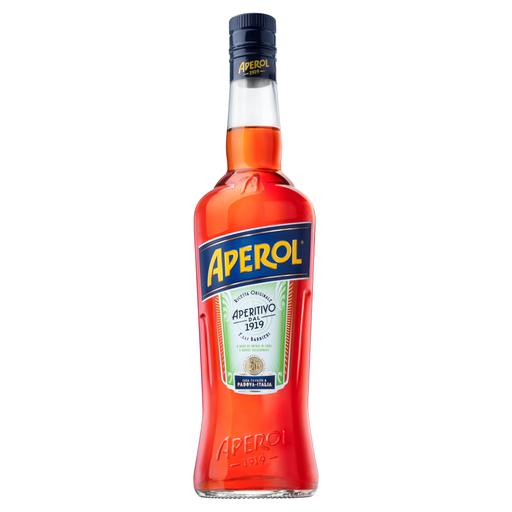
Why This Fits Their Persona: This is for the purist who wants to recreate the authentic Italian spritz experience. It's the go-to choice for hosting summer garden parties or serving pre-dinner drinks that are guaranteed to be a crowd-pleaser.
This is the genuine article, not a generic "orange liqueur". It guarantees the correct bittersweet balance and vibrant colour for a perfect Aperol Spritz every time.
The authentic, unchanged recipe since 1919. The specific 11% ABV makes it a light and refreshing aperitif, true to Italian tradition.
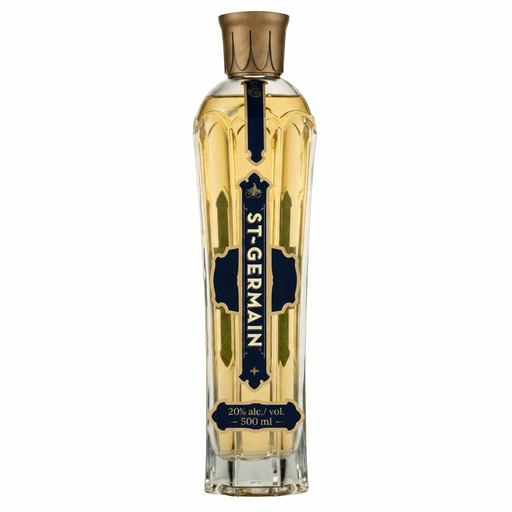
Why This Fits Their Persona: For the host who loves the spritz concept but prefers a different flavour. This French elderflower liqueur is perfect for creating a Hugo Spritz—an elegant, floral and equally refreshing alternative that has become very popular in the UK.
This avoids the "one-spritz-fits-all" trap by offering a sophisticated, less bitter alternative to the orange profile. It broadens your cocktail repertoire while keeping the light, bubbly and social feel.
Made from handpicked fresh elderflowers for a delicate taste with notes of pear, citrus and honeysuckle. It creates a distinctly different, yet equally stylish, cocktail.
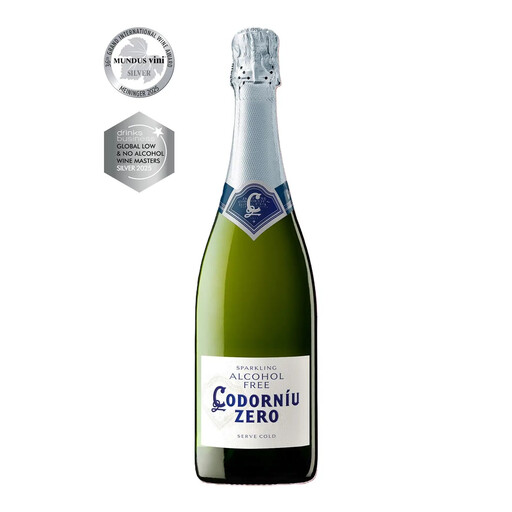
Why This Fits Their Persona: For the host who ensures everyone feels included. This allows guests who are not drinking alcohol to enjoy the celebratory ritual with a sophisticated, bubbly drink that feels just as special as a glass of Prosecco.
It avoids the pitfall of offering non-drinkers uninspired options like juice or water. This provides a proper adult alternative that mimics the sparkling wine component of a spritz, so no one misses out on the toast.
This is a de-alcoholised wine, not just a fizzy drink. It retains complexity with citrus and tropical fruit notes and fine, elegant bubbles, offering a genuinely refined non-alcoholic experience.
We have compiled a complete, real-time list of products that fully satisfy these strict selection criteria and UK safety regulations.
The widely accepted recipe for a classic Aperol Spritz follows a simple 3-2-1 formula. This ensures a perfect balance of bubbles, bittersweet flavour and refreshment.
Once opened, a bottle of Aperol should be stored in a cool, dark place with the cap tightly sealed. While it won't "spoil" in the way fresh food does due to its alcohol and sugar content, its vibrant flavour and aroma will diminish over time. For the ideal taste, it is generally recommended to consume it within about 3 to 6 months of opening.
While the Spritz is its most famous application, Aperol is a versatile liqueur. It can be used in a "Paper Plane" cocktail (with bourbon, Amaro and lemon juice) or simply mixed with tonic or grapefruit soda for a different kind of refreshing long drink. A small amount can also be used to add a bittersweet complexity to fruit-based desserts or sorbets.