
24/7 Customer Support

Free returns

Same-day & Next-day Delivery

Quality Guaranteed

Unlock Your Welcome Offers: FREE Delivery | Up to 80% OFF | Free 30-day JoyPlus trial
Download the APP
Navigating the world of Asian alcoholic beverages online can be a rewarding journey, whether you are recreating a family recipe, exploring new culinary frontiers or searching for a meaningful gift. However, the sheer variety can be daunting, and it is easy to make a purchase you later regret. Many shoppers find themselves with a salted cooking wine when they wanted a smooth sipping drink, or a potent spirit when a light, sweet dessert wine was needed.
As the Joybuy Product Recommendation Officer, my role is to help you sidestep these common issues. This guide will clarify the essential differences between popular Chinese and Korean beverages, ensuring you select the right product for the right occasion without falling for confusing labels or paying a premium for something that does not suit your needs.
Before adding to your basket, be aware of these frequent misunderstandings that can lead to a disappointing purchase.
To avoid the pitfalls above, focus on these two non-negotiable factors on any product page.
This is the single most important indicator of a beverage's purpose. Always check the label for this information.
The primary grain used in fermentation defines the final taste and aroma.
To help you make a confident choice, we have matched a few standout products to common UK buyer profiles.
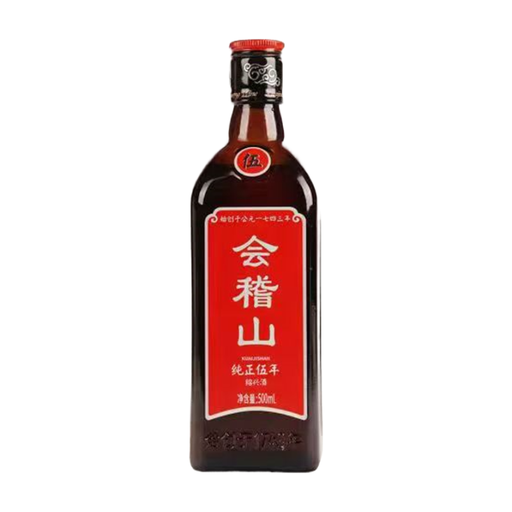
Why This Fits Their Persona: This is for the home cook dedicated to authentic flavour. It is a genuine Shaoxing wine, aged for five years, perfect for creating rich, aromatic braises like Dongpo pork or drunken chicken. It is also suitable for sipping gently warmed, offering a true taste of the region.
This is a high-quality, unsalted drinking-grade wine. It avoids the "cooking wine" trap by being versatile enough for both cooking and sipping, ensuring you do not accidentally add a salty, unpalatable flavour to your dish or drink.
Aged for 5 years for a mellow, complex flavour. Brewed with traditional ingredients, including water from Jianhu Lake, for authenticity.
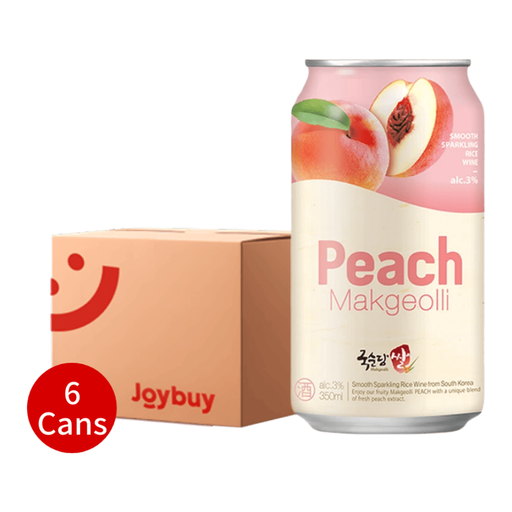
Why This Fits Their Persona: Perfect for sharing with friends at a barbecue or picnic. This Kooksoondang rice wine is light, fizzy and infused with a sweet peach flavour. The low 3% ABV and convenient cans make it an easy-drinking alternative to cider or beer.
This product clearly avoids the "rice wine" ambiguity. It is explicitly a modern, flavoured, low-alcohol beverage. You know exactly what you are getting: a fun, social drink, not a traditional, high-proof spirit.
Very low 3% ABV for easy drinking. Comes in a convenient 6-pack of 350ml cans, ideal for sharing and outdoor events.
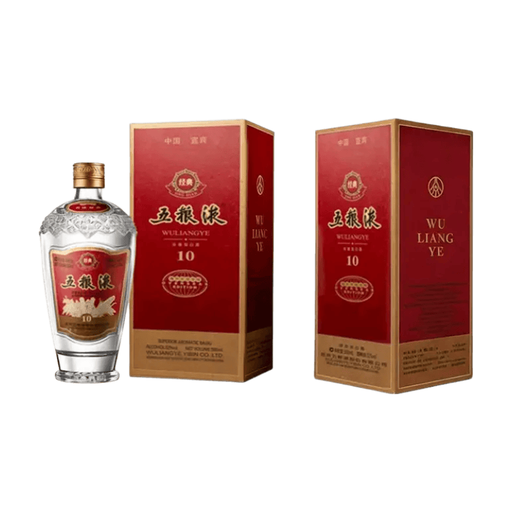
Why This Fits Their Persona: For those seeking a premium Chinese baijiu for a formal occasion, business gift or a celebration like the Mid-Autumn Festival. Wuliangye is one of China's most respected baijiu brands, and this bottle carries significant cultural weight and prestige.
This choice sidesteps the pitfall of buying an unknown or inappropriate spirit for a serious occasion. Its established brand reputation ensures your gift will be understood and appreciated for its quality and significance.
Crafted from five selected grains for a complex, rich aroma. A classic 52% ABV strong-aroma baijiu, representing a benchmark of the style.
We have compiled a complete, real-time list of products that fully satisfy these strict selection criteria and UK safety regulations.
Storage depends heavily on the type. High-proof spirits like Chinese baijiu are very stable; simply store the bottle upright in a cool, dark place away from direct sunlight. For lower-alcohol beverages like Korean makgeolli or sweet glutinous rice wine, refrigeration is essential. Once opened, they should be consumed within a few days to maintain their freshness and intended flavour, as they can continue to ferment or spoil.
Absolutely. In fact, using a quality drinking-grade Shaoxing wine will often yield a superior flavour in dishes compared to its salted counterparts. The main consideration is cost. Salted cooking wines are generally more economical for everyday use, while a good drinking-grade Shaoxing is excellent for special dishes where its nuanced flavour can truly shine.
While both are popular spirits from East Asia, they are quite different. The primary distinction lies in their base ingredients and resulting flavour. Chinese baijiu is typically distilled from fermented grains like sorghum, wheat or rice, and is known for its incredibly diverse and often pungent, complex and aromatic flavour profiles, with ABVs commonly ranging from 40% to 60%. Soju is traditionally made from rice but modern, mass-market versions often use other starches like sweet potatoes or tapioca. It generally has a cleaner, more neutral and milder flavour profile with a lower ABV, typically between 16% and 25%.