
24/7 Customer Support

Free returns

Same-day & Next-day Delivery

Quality Guaranteed

Unlock Your Welcome Offers: FREE Delivery | Up to 80% OFF | Free 30-day JoyPlus trial
Download the APP
The world of Asian alcoholic drinks offers a fascinating spectrum of flavours, from the delicate complexities of Japanese sake to the innovative fusions of Chinese craft beer. However, as more options become available online in the UK, it's easy to feel overwhelmed by unfamiliar terms and marketing claims. Many shoppers find themselves paying a premium for a bottle that doesn't match their taste or, worse, is of lower quality than its label suggests.
As the Joybuy Product Recommendation Officer, my role is to help you navigate this exciting category with confidence. We will look past the hype and focus on what truly matters. Before you add that intriguing bottle to your basket, let's examine a few common pitfalls that can lead to a disappointing purchase.
By understanding a few core principles, you can easily avoid these issues and find the perfect Asian drinks online to suit your preferences.
To make an informed choice, you don't need to be a connoisseur. You just need to know what to look for. Here are the three most important parameters to check.
When you buy sake online UK, you will encounter terms like Junmai, Ginjo and Daiginjo. These grades are primarily determined by the seimaibuai, or the percentage of the rice grain remaining after it has been polished.
A lower number (e.g., Dassai sake with a 39% ratio) signifies more polishing and often a more delicate profile. Understanding this helps you match the sake's character to your taste, rather than just its price tag.
For flavoured craft beer and umeshu plum wine, the quality hinges on how the flavour is introduced. The most satisfying drinks use real, whole ingredients. For example, a high-quality Chinese craft beer might be brewed with actual Longjing green tea leaves, while a premium umeshu plum wine is made by steeping or fermenting whole Japanese ume plums.
In contrast, lower-quality alternatives often use concentrates, extracts or 'natural flavourings', which can result in a one-dimensional or overly sweet taste. Always check the ingredients list to see if it mentions real fruit, tea or botanicals.
If you see the term "tanrei karakuchi" on a bottle of Japanese sake, particularly from a brand like Kubota, it signals a specific style: crisp and dry. This profile is prized for its clean finish and refreshing character, making it exceptionally food-friendly. It lacks the heavy sweetness found in some other styles, allowing it to complement a wide range of dishes without overpowering them. If you enjoy dry white wines, this style of sake is an excellent place to start your exploration.
To help you choose, we have matched a few standout products to different tastes and occasions.

Why This Fits Their Persona: Perfect for the UK craft beer enthusiast looking for a genuinely new flavour experience beyond the usual IPAs. This offers a sophisticated fusion of Eastern tea culture and modern brewing.
It sidesteps the "artificial flavour" pitfall by using an authentic infusion of high-grade West Lake Longjing green tea leaves, delivering a layered, natural fragrance and taste.
A crisp, clean beer base allows the fresh, grassy notes of the tea to shine through, creating a uniquely refreshing drink without heavy maltiness or synthetic sweetness.
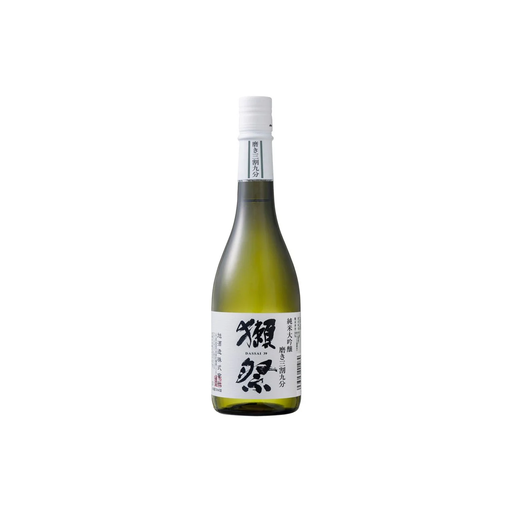
Why This Fits Their Persona: For those who have heard about premium Asian spirits and want to experience a world-renowned Junmai Daiginjo. The 300ml bottle is an ideal entry point into high-end sake.
It avoids the "sake grade trap" by clearly stating its 39% seimaibuai. This verifiable number justifies its premium status, showing it is based on craftsmanship, not just marketing.
Offers an exceptionally smooth, velvety mouthfeel with aromatic notes of green apple and honeydew melon. It is a benchmark for modern, elegant sake.
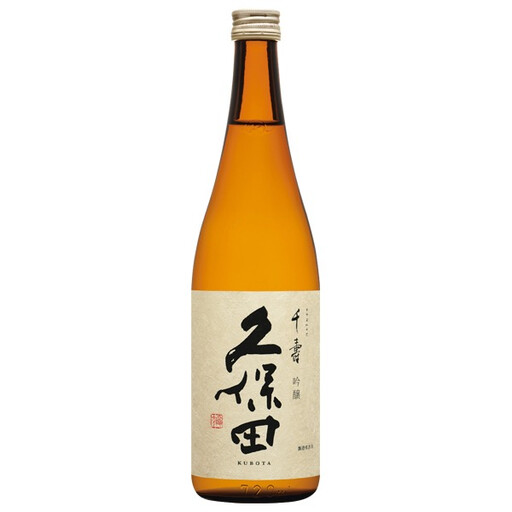
Why This Fits Their Persona: An excellent choice for foodies hosting dinners. This Kubota ginjo is a classic example of the versatile tanrei karakuchi (crisp, dry) style, making it a reliable and impressive pairing for a variety of cuisines.
It solves the "pairing mismatch" problem by being exceptionally food-friendly. Its clean, dry profile complements everything from sushi and grilled fish to spicy stir-fries, ensuring it won't clash with your menu.
Delivers a refined, balanced profile with subtle notes of nutmeg and dried fruits, leading to a crisp, clean finish. The 720ml bottle is ideal for sharing.
We have compiled a complete, real-time list of products that fully satisfy these strict selection criteria and UK safety regulations.
The serving temperature for Japanese sake depends on its type.
The key difference is the addition of a small amount of distilled brewer's alcohol.
Once opened, these drinks should be stored properly to maintain their quality.