
24/7 Customer Support

Free returns

Same-day & Next-day Delivery

Quality Guaranteed

Unlock Your Welcome Offers: FREE Delivery | Up to 80% OFF | Free 30-day JoyPlus trial
Download the APP
From the creamy comfort of a Taiwanese milk tea to the refreshing taste of a Korean rice drink, the world of Asian drinks offers a delightful variety for UK shoppers. However, navigating the online aisles can be tricky. With so many options, it's easy to end up with a drink that doesn't meet your expectations, whether you're seeking an authentic taste of home or exploring new flavours.
As a Joybuy Product Recommendation Officer, my role is to help you see past the marketing and make informed choices. Many shoppers find themselves disappointed by a few common pitfalls. Let's look at what to watch out for so you can spend your money wisely.
To avoid these issues, focus on a few key details on the product page. A quick check can make all the difference between a satisfying purchase and a cupboard full of unwanted drinks.
This is the most reliable way to determine a drink's true character.
Before adding to your basket, confirm the product's format to match your needs.
Sweetness levels can vary dramatically. To avoid a drink that is much sweeter than you prefer, look at the nutritional information. The "Carbohydrates - of which sugars" value per 100ml is the most direct comparison point. A drink with 5g of sugar per 100ml will be noticeably less sweet than one with 10g or more.
To help you get started, here are a few selections matched to different tastes and needs, all of which are clear about their ingredients and format.
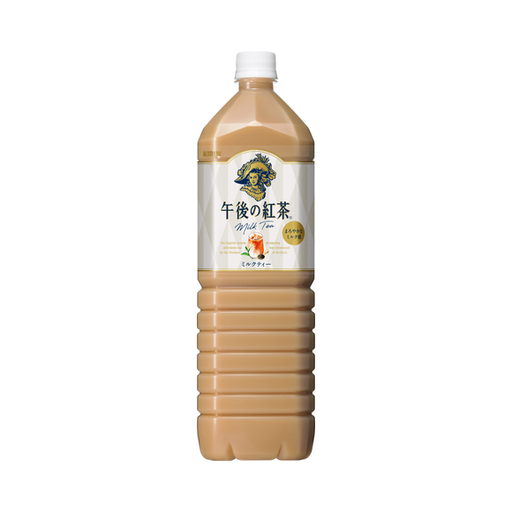
Why This Fits Their Persona: This is for the household that loves authentic Japanese drinks. The large 1.5L bottle is perfect for sharing, offering a smooth, well-balanced flavour that isn't overly sweet, making it a refreshing staple to keep in the fridge.
It avoids the "authenticity trap" by using high-quality Sri Lankan black tea, delivering a genuine Japanese milk tea profile. The format is clearly a large ready-to-drink bottle, preventing any confusion.
The generous size offers good value, and its smooth, aromatic flavour is free from the bitterness found in some other ready-to-drink teas.

Why This Fits Their Persona: For the home barista who wants a reliable, high-performing dairy alternative. The Oatly Barista edition is specifically formulated to froth well, making it a go-to for creating café-quality lattes and cappuccinos at home without dairy.
This product directly counters the hidden allergen pitfall. It is explicitly dairy-free and soy-free, with a clear ingredients list. Its name clearly communicates its intended use with coffee.
It is made with organic ingredients and designed to perform well under heat without separating. The bulk-buy option is convenient and cost-effective for regular users.
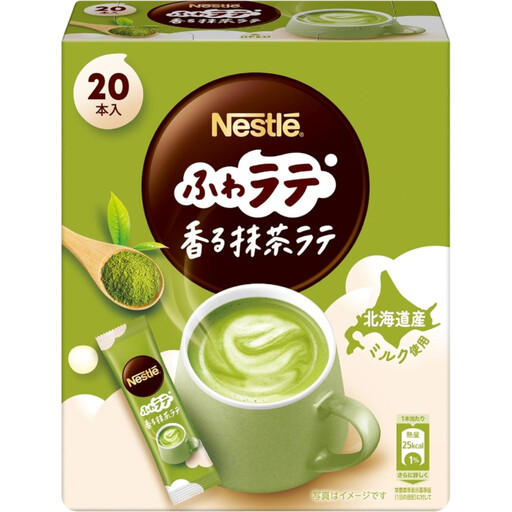
Why This Fits Their Persona: Ideal for busy individuals who enjoy the flavour of a matcha latte but lack the time for traditional preparation. These instant sticks create a creamy, frothy beverage in seconds, perfect for a morning boost or an afternoon treat.
This product avoids format confusion. It is clearly presented as a box of 20 individual "stick type" sachets, ensuring the buyer knows it's an instant mix and not a ready-to-drink bottle.
It offers exceptional convenience and portion control. The use of Uji matcha provides a more authentic and aromatic flavour compared to generic green tea powders.
We have compiled a complete, real-time list of products that fully satisfy these strict selection criteria and UK safety regulations.
1. How should I store ready-to-drink Asian drinks? For most ready-to-drink products, you can store them in a cool, dry place away from direct sunlight before opening. For the best flavour, it's recommended to chill them before serving. Once opened, they must be kept refrigerated and typically consumed within 2-3 days, but always check the packaging for specific instructions.
2. Are all Asian soy milks dairy-free? No, and this is a crucial point for anyone with a milk allergy or who follows a vegan diet. It is common for some soy milk brands, especially those aiming for a richer, creamier taste, to include whole milk powder or sodium caseinate (a milk derivative). Always check the ingredients list and the "Allergens" section on the product page before purchasing.
3. What is the difference between Japanese and Taiwanese milk tea? While both are delicious, they often have distinct profiles. Japanese drinks, such as Kirin Afternoon Tea, tend to focus on the quality of the tea itself, often using specific leaf types like those from Sri Lanka to create a smooth, aromatic and less astringent flavour. Taiwanese milk tea, like the popular Uni-President Assam variety, often has a stronger, maltier tea base and a creamier, sweeter profile, reminiscent of the classic bubble tea drinks that originated there.